.svg)

Delta Flight Turns Back After Unusual Deicing Mishap Soaks Passenger
.jpg)
%20(1).svg)
Delays on flights are not unusual during the winter months, especially in the Northeast. Snow, freezing rain, and icy runways have been known to cause airlines to stop flights departing in order to treat the aircraft with deicing fluid. But a recent flight from New York’s LaGuardia Airport for Delta Air Lines was delayed in a manner that left even the most seasoned aviation expert scratching his head.
A flight bound for Florida was forced to deviate from its taxi path in order to take off and return to the gate because the de-icing fluid had made its way into the cabin, leaving at least one passenger wet, as reported. This led to a delay of over three hours, with many questioning how such a situation could occur in the first place.
A Routine Winter Departure Takes a Strange Turn
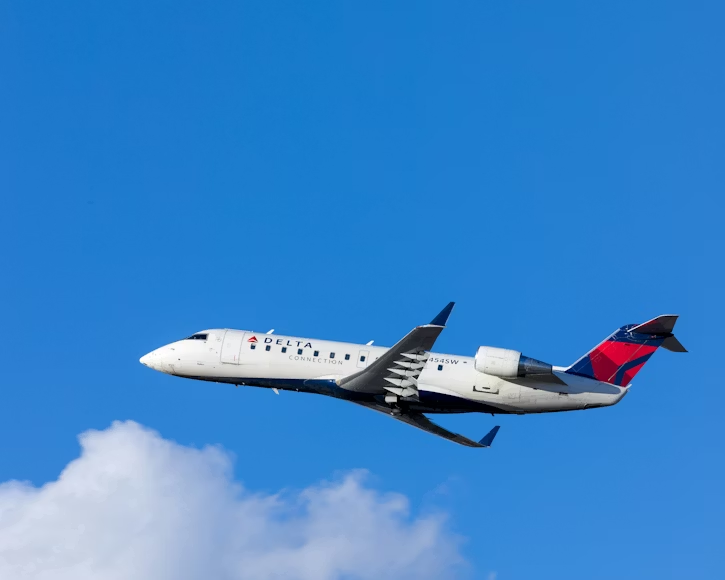
Delta Air Lines flight DL1307, which was to depart from LaGuardia Airport (LGA) to Jacksonville International Airport (JAX), was to depart shortly after 2:00 p.m. on January 18, 2026.
The weather conditions that afternoon were challenging but certainly not unexpected for the middle of January in New York. The temperature was just above freezing, and snow and freezing rain were falling at the airport. As a result, planes were being routed through specific areas for deicing before takeoff, as was to be expected.
The Airbus A220, a relatively new narrow-body aircraft that is usually flown by Delta, taxied as expected to one of the deicing pads at LaGuardia. After being treated, the flight crew was expecting to go directly to the runway for departure.
The pilots demand an immediate return to the gate
Only moments after leaving the deicing pad, the flight crew contacted ground control with an unexpected request: they had to go back to the terminal.
The air traffic control recordings would later show the unusual nature of the problem. When asked why the plane could not proceed to the runway, the pilots said that the deicing fluid had leaked into the plane cabin, soaking part of the interior and apparently affecting a passenger.
The exchange, recorded from publicly available air traffic recordings, soon found its way onto social media sites, where aviation enthusiasts were shocked by the exchange. Even experienced observers were surprised by the unusual reason for the plane to turn back after deicing.
Though the team was cooperating with operations to obtain a gate, the aircraft was not taken out of the departure queue, thus halting the flight.
How Could Deicing Fluid Enter the Cabin?
One of the biggest questions that have yet to be answered in the aftermath of the incident is how the deicing fluid was able to leak inside the aircraft in the first place.
Typically, deicing fluid is used externally to remove ice and prevent icing from forming on wings and critical surfaces. Deicing fluid is designed to stay outside the aircraft and drain harmlessly away. A cabin exposure strong enough to wet a passenger is extremely unlikely.
These may include:
- A leak near a door seal or panel
- Fluid entering through ventilation or drainage systems
- A malfunction or misalignment during the deicing process
However, Delta has not given details about the type of the leak, and cases like this are not normally reported.
Is Deicing Fluid Dangerous to Passengers?
Deicing fluids used on modern aircraft are much safer than those used in the past, but they are not completely harmless. These fluids typically contain glycol-based compounds, corrosion inhibitors, and thickening agents that help the fluid adhere to aircraft surfaces.
Direct contact with deicing fluid can cause skin irritation, eye discomfort, and mild respiratory irritation if fumes are inhaled. While serious harm from brief exposure is highly unlikely, prolonged contact, especially if clothing becomes wet, is not recommended. This is likely why the flight crew decided to return to the gate rather than continue the flight.
For passenger safety, standard procedures include minimizing any contact with the chemical, even if it is considered low-risk. Following these precautions helps ensure that exposure does not lead to discomfort or health issues.
Social Media Reacts to an Unusual Airborne Event
As soon as the audio of the air traffic control conversation was posted on the internet, the story began to spread across all social media sites related to aviation. Many people were surprised to hear that the deicing fluid could get into the cabin in such quantities.
These ranged from curiosity to concern, with frequent flyers stating that they had never experienced or even heard of a situation like this before. Specialists in the aviation sector have pointed out that while unusual events are rare, they can occur when weather, equipment, and operational stress interact.
However, there were no reports of panic among the passengers, and it appears that the situation was handled in a calm manner by the flight crew.
What This Incident Tells Us About Winter Aviation Safety
Although this is an unusual case, it does show the complexity of aviation safety systems designed to pick up even the most unexpected problems before flying.
The main points to take away are:
- The crew is trained to stop all operations if the safety of the passengers is at stake.
- Deicing, even though it is a widely practiced phenomenon, is still a complex process in harsh weather
- Returning to the gate, while an inconvenience, is at times the most prudent decision to make for safety reasons
In this particular case, it is most likely that the crew’s efforts prevented further exposure and ensured the aircraft departed in a fully safe condition.
Should Travelers Be Concerned?
For the average traveler, this incident should not be a cause for concern. Such events are extremely rare, and modern aircraft are thoroughly inspected to handle any challenges posed by winter flight conditions.
The incident serves as a reminder that weather can create unpredictable challenges, delays aren’t always due to mechanical or staffing issues, and safety decisions may sometimes result in unusual but necessary disruptions.
Passengers affected by delays are typically entitled to assistance with rebooking, and in some cases, airlines may offer compensation or additional services to ensure a smooth resolution.
Final Thoughts:
Delays are not uncommon, but being told to go back to the gate because of deicing fluid dripping into the cabin is certainly one of the more unusual ones.
The unexpected turn of events for Delta flight DL1307 at LaGuardia Airport illustrates the unpredictability of winter flying and the importance of always being on the side of caution. While the experience was certainly frustrating and resulted in a delay, it also illustrated how quickly the team springs into action when something doesn’t seem right.
In the world of aviation, even the most unusual problems are taken seriously, and it is this commitment to safety that finally gets the passengers to their destination, albeit a little late.
DISCOVER THE RIGHT CARD FOR YOU.
Explore our card recommendations and find a credit card that suits your personal needs.
Browse card categories
%20(1).jpg)
.svg)