.svg)

EVA Air Captain is Suspended after Flight Deck Brawl at LAX
%20(1).svg)
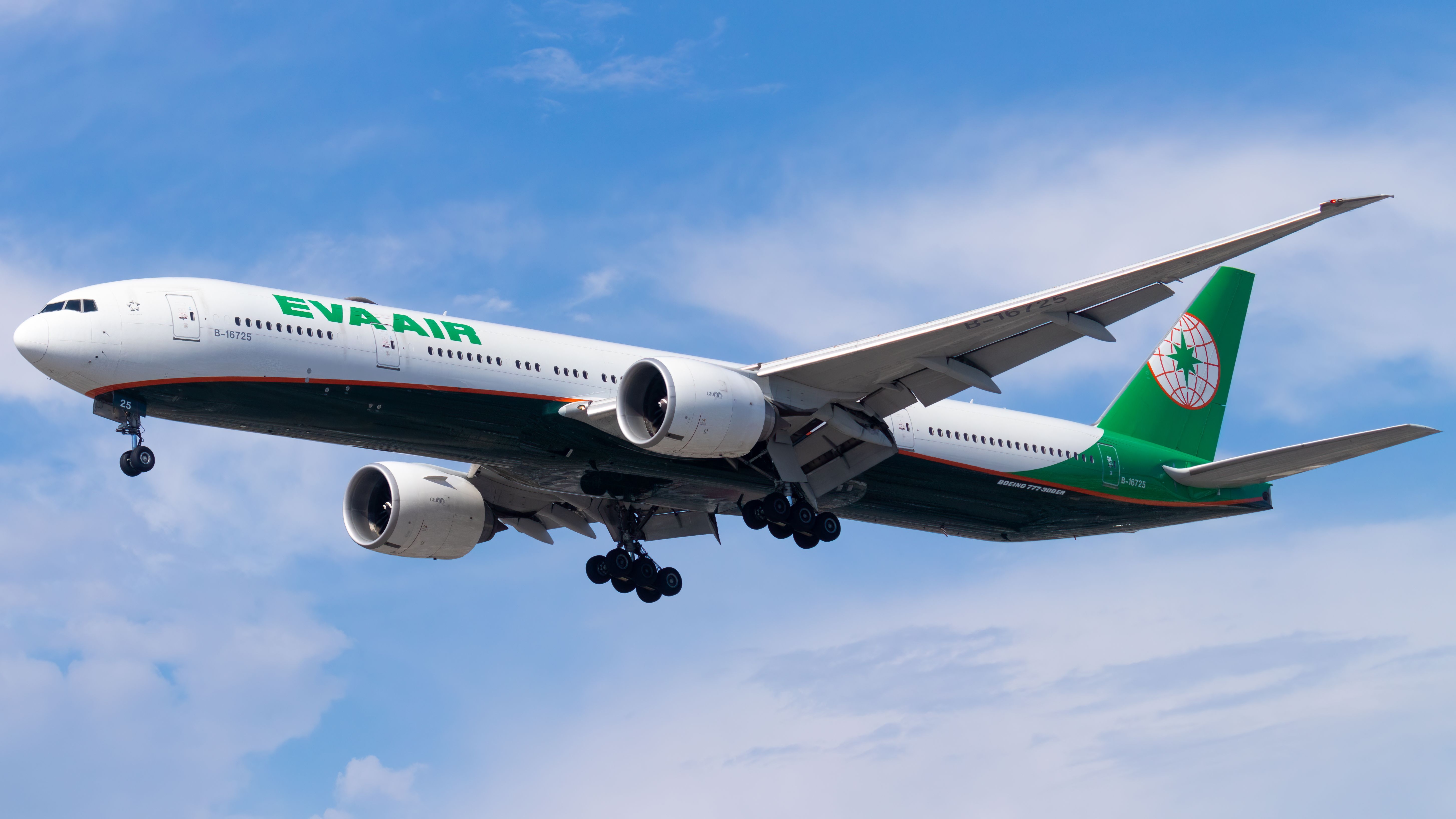
There has been a very unique aviation accident in which a captain of EVA Air has been accused of physically assaulting a first officer during a taxiing at Los Angeles International Airport (LAX). Although conflicts in an aircraft due to passengers are not rare, the conflicts between pilots are incredibly uncommon, and thus, this incident was very unusual.
The following is a description of what seems to have occurred, why the incidence of such accidents is a matter of concern and the ramifications of such accidents on the safety of airline.
Incident: Taxiing Speed Controversy
This is a flight that caused an unpleasant experience to a passenger on an EVA Air flight earlier this month when a Taiwan-based Star Alliance airline suspended one of its captains and began an investigation after a tense incident with a Los Angeles (LAX) to Taipei (TPE) flight.
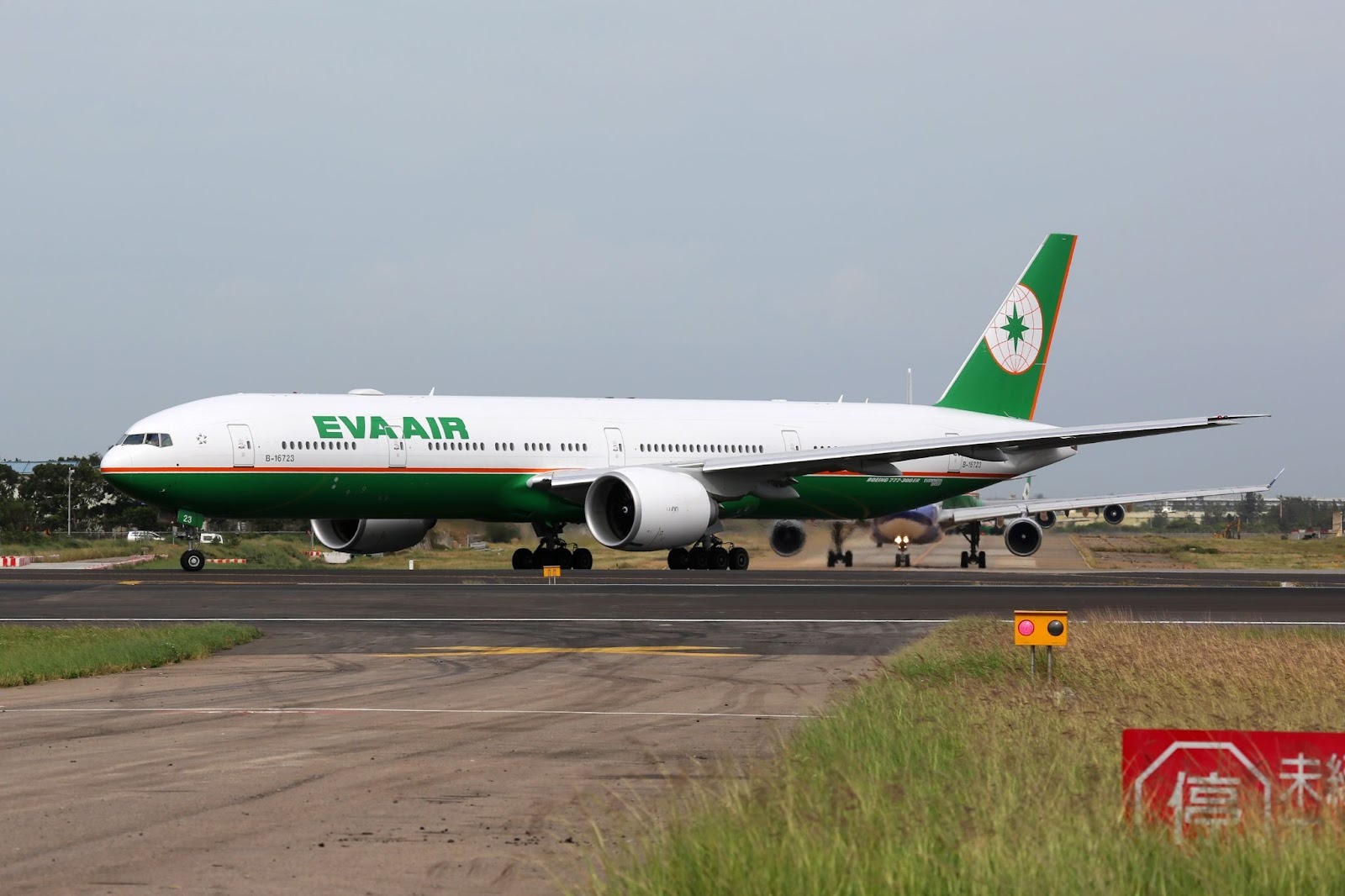
According to the reports, the conflict started when the Malaysian first officer had complained that the Taiwanese captain was taxiing the plane at more than 30 knots, which is the suggested maximum allowable speed. The first officer is said to have done the same thing and used manuals to apply the brakes after verbal warnings had been disregarded.
This prompted the captain to break out into a violent outburst where he is accused of beating the first officer at least four times causing his hand to show visible swelling and bruising.
One of the whistle blowers complained that the emergency response plan of the airline was not activated during the incident and that it was risky to have such a pilot with emotionally unstable behavior on the air.
Reaction of Airline and Governmental Bodies
The EVA Air has suspended the pilot of the plane immediately after the incident awaiting an investigation. The cockpit data obtained by the quick access recorder, is under consideration by the airline that indicated that the plane was not over speeding during the taxiing process.
Other than the internal investigation, the Civil Aviation Administration of Taiwan has also initiated an investigation on the issue. It has been indicated that in case the actions engaged by the crewmembers are discovered to have influenced flight safety, then there will be legal implications to the same.
This complicated case exemplifies the issue of the aviation authorities about the cockpit fights, although the accident does not happen immediately.
Why Pilot Conflicts Are a Concern
Though it may seem impossible that pilots will physically fight one another, it could be true that cockpit fights take place with a higher frequency than most people may imagine. Flights every day are numbered in thousands and pilots often fly with other crew members whom they have never flown with before. Communication styles, experience, personality may differ and result in cockpit disputes, but they are hardly violent.
The airlines have long procedures, checklists and protocols applied which are created to limit human error and handle any personality clashes. The concept here is that when cooperation has broken down to the extent of impacting the safety, steps are taken to alleviate one of the pilots.
Cases like this are a wake-up call that crew resource management (CRM) is one of the critical components of aviation safety. CRM is the open cockpit communication and decision making system.
History: Aviation Human Factors
Despite being a rare occurrence, cockpit disagreement has been contributing to the accidents in the past. Research has determined that when there are unresolved conflicts and poor communication among pilots it is likely to heighten the chances of making mistakes.
In other cases, the first officers might be too uncomfortable to voice up due to intimidation by reprisal or powerlessness. This is particularly harmful as the current aviation conditions rely on the collaboration of multiple members of the crew to perform complicated tasks.
The case of EVA Air has shown that it is necessary to speak up and adhere to procedures. Pilots may be unresponsive or even threatening, which may lead to extreme outcomes, although in this case, no plane crash or emergency took place.
Lessons learnt in Crew Resource Management
Crew resource management (CRM) has always been propagated in the aviation industry to prevent incidences caused by interpersonal conflicts. CRM promotes:
- Wireless communication among the pilots.
- Taking into consideration the contribution of every team member.
- Adhering to the common practices when conflicts arise.
- Blown out of proportion using the right avenues.
Had they been put in effect, maybe the EVA Air incident could have been avoided. It is necessary to mention that CRM training is the key to safety during the high-stress situations such as taxiing, takeoff, or landing.
Prospects: Implications to EVA Air
With the ongoing investigation, there are several options that may occur:
- Punitive action against the captain and even termination.
- Internal procedure review to avoid such occurrences.
- Penalties or fines in case of breach of the regulations in case it is discovered that the safety of the flights has been compromised.
EVA Air has indicated that it cares about the safety of both, its crew and its passengers and yet, accidents like this may influence the population trusts this airline.
The passengers would expect pilots to always act professionally in their behavior and even the fact that there was a possibility of a physical collision in the cockpit could be a cause of concern.
The Bigger Picture: Maintaining Professionalism in Aviation
Even though violent conflicts between pilots are not a routine phenomenon, they highlight the human factor of the aviation operations. Pilots operate high-value aircraft, and high work pressure is set to make sure that no personal differences affect the safety.
Even at the time when emotions are heated, even experts note that there are a number of safety precautions, including:
- Co-pilot intervention
- Emergency Standard Operating Procedures.
- Automated safety systems
It is anticipated that the EVA Air case will create controversy in the airline industry related to stress management, communication, and cockpit behavior.
Conclusion:
This issue of a captain assaulting a first officer during taxiing has been reported by a recent flight between LAX and Taipei which has raised a serious, though infrequent, issue in the commercial aviation sector.
- The incident that occurred was a conflict regarding the taxiing speed.
- The first officer acted in accordance with the rules and pulled the brakes.
- The first officer was allegedly struck by the captain a number of times.
Part of the investigation has involved the suspension of the captain of EVA Air and co-operation with the Civil Aviation Administration in Taiwan. No passengers were harmed; however, the event indicates that crew resource management, professionalism, and regulation in the aviation industry are necessary.
As airlines and regulators review this case, it serves as a reminder that even experienced pilots must maintain professionalism and follow procedures, ensuring the safety of every flight.
DISCOVER THE RIGHT CARD FOR YOU.
Explore our card recommendations and find a credit card that suits your personal needs.
Browse card categories
%20(1).jpg)
.svg)