.svg)

Japan Airlines Eyes a Major Boeing 787 Business Class Upgrade: What Travelers Might See Next
.jpg)
%20(1).svg)
Japan Airlines (JAL) is about to roll out a tremendous overhaul of its long-haul experience, and frequent flyers have a vested interest in taking note of it. The carrier is proceeding with the intention to renovate the cabins of its Boeing 787-9 Dreamliners, as an indicator of a wider plan to remain in the competition in the high-end traveling market. Although a lot of the details are shrouded in secrecy, sufficient information has surfaced to draw a fascinating image of the direction that the business class of JAL may be moving towards.
Fleet strategy to seat selection, here is a comprehensive analysis of what this redesign would entail to the passengers, why it would fit in the industry trends and what business class travelers can expect in the next few years.
The Dreamliner Fleet of JAL has a new beginning
One of the main pillars of the international network used by Japan Airlines has been the Boeing 787. The fuel efficiency and comfort of the passengers of the aircraft make it suitable in both high demand and long-thin services. JAL seems to be now prepared to take the onboard experience to another level.
The airline has collaborated with Boeing to upgrade the interiors of some of its 787-9s. This is much more than cosmetic surgery. It comprises of refurbished cabins and in-flight connectivity that has been enhanced and serves as one of the selling points of current passengers who desire professional Wi-Fi in the air.
The goal is consistency. JAL wishes older 787-9s to be on par with the new airplanes it has delivered, which will make the premium image the same through the fleet.
The reason why Airlines are spending vastly on Business Class
It is a good idea to see the bigger picture before engaging in speculations on chairs. Business class has emerged as a key source of revenue to the international airlines. The disproportionate contribution of premium cabins to profits is common in cases where they may have a smaller area on the plane, yet contribute a higher portion of profit.
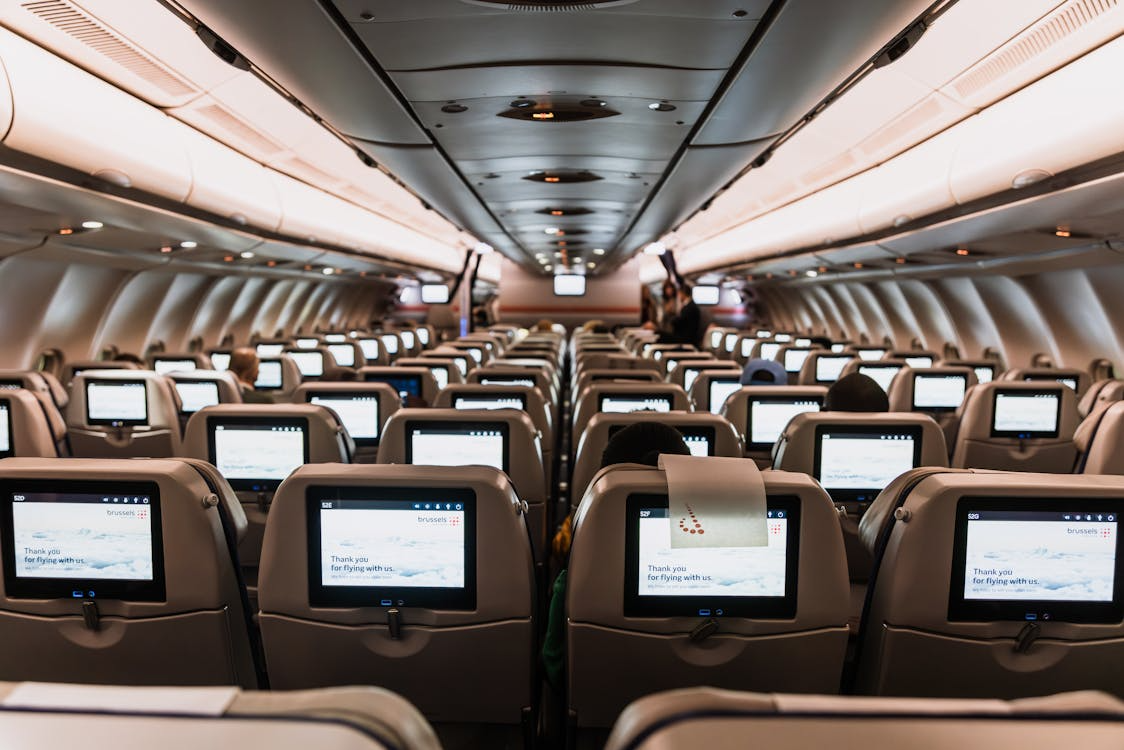
The current day business class traveler would like:
- Direct aisle access
- High privacy
- Fully flat beds
- Large entertainment screens
- Strong Wi-Fi connectivity
- Ample personal storage
Failure to keep pace exposes airlines to the risk of losing lucrative corporate contracts and other high-value leisure travelers. The next-generation seats are being introduced by the competitors, which is why they cannot just sit still.
In the case of JAL, passenger comfort is not the sole reason why the Boeing 787 business class needs to be upgraded, but rather, it is about brand positioning.
Which Seat Can Substitute the existing alternatives?
The greatest mystery is what exactly JAL will place in these re-fitting Boeing 787-9s.
The specific model has not been officially announced by the airline but industry watchers have few educated guesses.
Option 1: A350-Inspired Luxury
The new JAL Airbus 350-1000 business class is a great idea recently launched by the company. These seats do have sliding privacy doors, contemporary finishes and a very refined layout.
JAL would be rationale to match its 787 product against this more recent standard in order to have brand consistency. A lot of airline companies strive to have a well-known business class on both types of airplanes.
But the problem with the transfer of the same seat to the 787 is not always very simple. The size of aircraft, requirements of certification and cost are all factors.
Alternative 2: Next-Generation Reverse Herringbone Seats
The other option would be that JAL implements a next-generation reverse herringbone seat that would be 787-specific. Some of the manufacturers have introduced models in terms of doors, more storage space, and bigger screen, which makes them a new and competitive choice in long-haul business class.
The popularity of these seats is that they are already certified on the 787, they are very secretive and every passenger has unhindered access to the aisle. And they find comfort to cabin density which, in practical terms, may be the most productive way out.
Alternative 3: An Entirely new Custom Idea
JAL has traditionally been making an investment in upscale cabin design, and a tailored solution is not beyond the question. A custom seat would be able to combine secludedness, Japanese style aesthetics and functionality in a manner that would distinguish the airline with those of the competitors.
With that said, custom designs are quite costly and time consuming to certify and are not so widespread except when an airline intends to make a bold statement.
The Role of Fleet Strategy
Interestingly again, the fleet planning by the JAL can also affect the final decision. With newer planes, the airline should be shifting some of its 787-9 to the subsidiary of its low-cost airline, ZIPAIR.
Should this occur, then the short-haul routes with high premiums are probably to be operated by the most advanced setups. That is, the best business class products that
JAL may focus upon may be aircraft that focus on flagship international services.
This would enable the airline to:
- Maximize premium revenue
- Streamline maintenance
- Simplify branding
- Improve customer satisfaction
The way this places JAL in a position to compete
The main domestic competitor of JAL, All Nippon Airways (ANA), has been busy renovating its own premium cabins. The enclosed suites and high-tech features are also being topped by airlines world-wide in the Middle East, Europe and Asia.
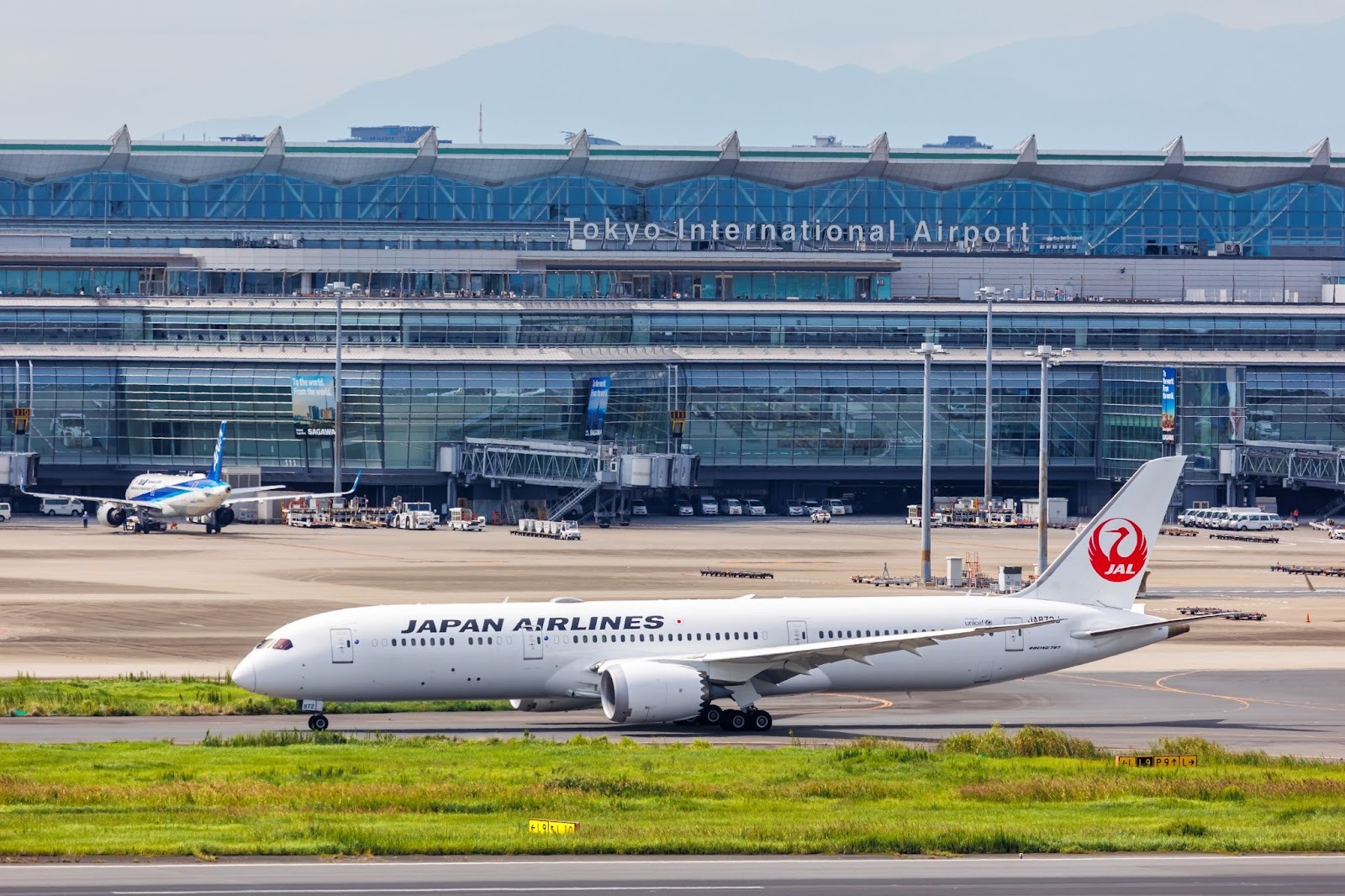
In order to be competitive at profitable routes between Asia, North America, and Europe, JAL needs to provide a product that satisfies or outdoes the world standards. That is only an indication that the airline is taking the challenge seriously in this retrofit project.
The Future of Travelers
At this point, many things are still conjectural, since airlines tend to divulge information in bits, particularly when it comes to certification and supplier schedules. Nevertheless, it is fair to say that travelers should be able to rely on a more uniform business class product in the 787-9 boom of the JAL fleet, even though the improvements in privacy and general comfort will be apparent.
There are also improved in-flight connections and a design to be eagerly anticipated by passengers as being in tandem with the new premium branding of JAL. Further details on particular models of seats and the schedule of their rollouts are likely to be announced when the airline makes its plans set in stone.
Conclusion:
The choice of Japan Airlines to revamp its business class of Boeing 787-9 is an explicit sign that it focuses on high-end travel. Where exactly that seat is situated is a secret but the orientation is quite clear; it is more comfortable, more personal and a modernized onboard experience.
This comes as a relief to the regular JAL customers and the passengers of business classes. Considerate renovation would make JAL one of the leading competitors in the long-haul business segment again.
The most interesting cabin evolution of the near future is still under scrutiny by the eyes until the airline unveils the final product.
DISCOVER THE RIGHT CARD FOR YOU.
Explore our card recommendations and find a credit card that suits your personal needs.
Browse card categories
%20(1).jpg)
.svg)