.svg)

Time Is Running Out For Spirit and JetBlue And It's Ticking Louder With Every Passing Day
.jpg)
%20(1).svg)
Time Is Running Out For Spirit and JetBlue And It's Ticking Louder With Every Passing Day
The troubles in the budget airline segment of America's aviation industry have been gathering steam for many years now. However, the current state of affairs in regards to Spirit Airlines and JetBlue looks like a crisis much more serious than any previous developments in the area. Two of the leading budget airliners in the country are simultaneously struggling for survival, and the results of those struggles are likely to affect all Americans, regardless of their preferred travel class.
Spirit Airlines Has Run Out Of Time and Choices
Spirit Airlines is currently embroiled in its second bankruptcy filing in less than a year. Based on various reports from CNBC, Spirit may very well enter liquidation proceedings this very week. As one of the most controversial yet influential budget airliners on the American market, this would spell the end of a significant player on that market.
As is always the case in such situations, the numbers speak louder than any other possible interpretation of what happened. Spirit Airlines is projected to burn up over $500 million this year due to rising jet fuel costs, with operating margins potentially reaching a record low of -20%. Spirit's total year-end cash balance would only cover a few weeks of those losses. Spirit has tried everything, cutting flights, selling aircraft, and squeezing labor concessions out of the pilots and flight attendants union.
A reorganization plan is currently in the works, yet it seems that the U.S. Bankruptcy Trustee is not buying it. The central question that the Trustee raised but never received a satisfactory answer to concerns why this particular plan deserves a green light, while the previous plan that failed six months ago does not.
JetBlue is Troubled by Its Debt Burden
JetBlue's situation, while not as urgent as that of Spirit Airlines, has equally troubling prospects for the company's future. Currently, the total amount of debts that JetBlue carries exceeds $9 billion, resulting in interest expenses of over $800 million per year. Given the current jet fuel prices, JetBlue is expected to lose over $1.3 billion this year, a level of operating losses that would send the airliner spiraling even faster.
While JetBlue is considering a variety of options to help stabilize the situation, including mergers and acquisitions, it appears that the debt burden is causing JetBlue trouble when it comes to attracting potential buyers. As David Neeleman puts it in his recording, no one wants to buy JetBlue.
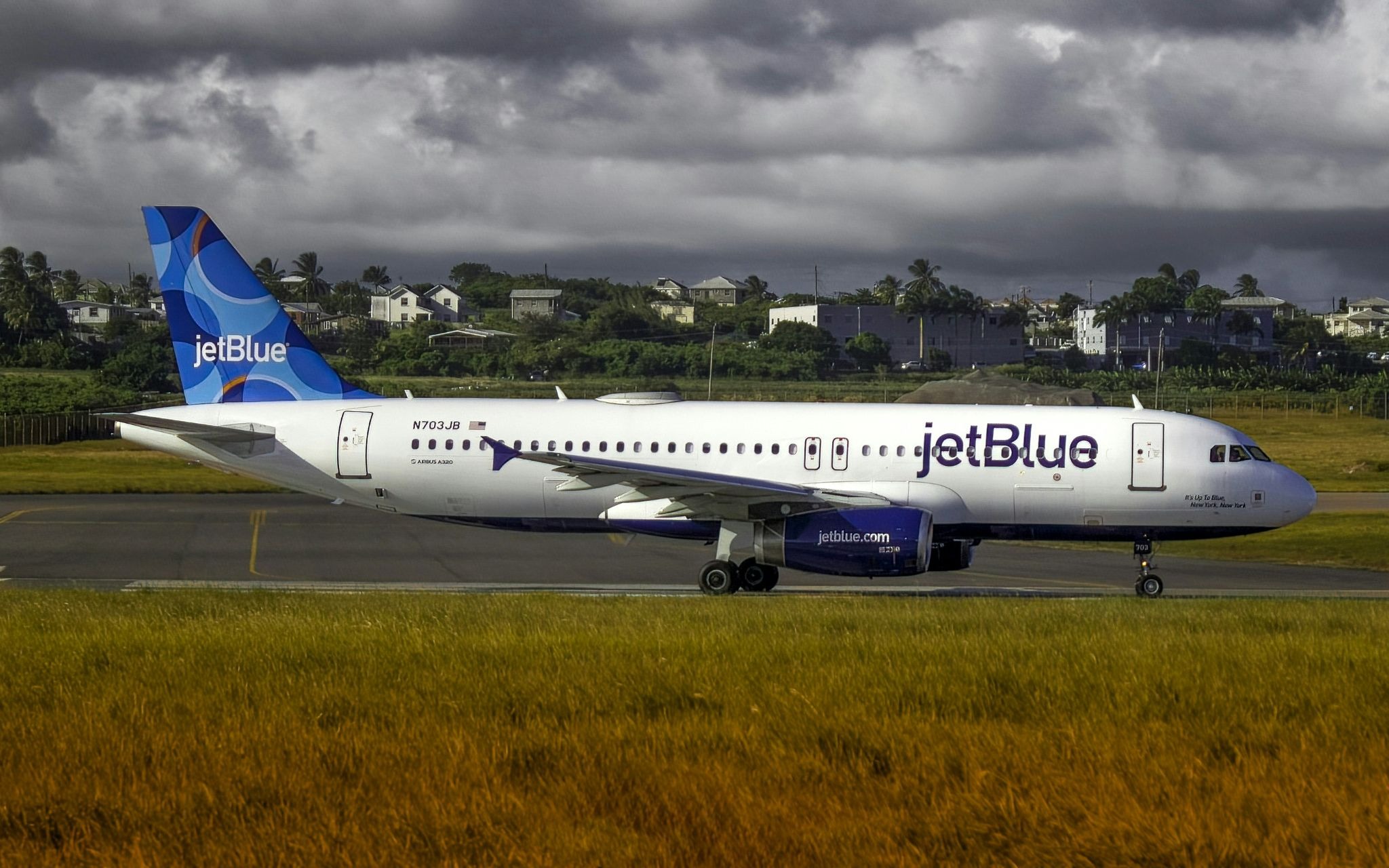
How JetBlue's Founder Describes the Situation
The person responsible for creating JetBlue is currently operating competing carrier Breeze Airways, and his opinion needs to be considered carefully. At the same time, David Neeleman provides some verifiable facts regarding JetBlue's financial situation. According to him, United Airlines had looked at JetBlue's finances and backed off. The owners of Alaska and Southwest have no interest in buying JetBlue either.
The implication here is that while bankruptcy may seem like the end of the road for JetBlue, it may actually become its saving grace. Through a Chapter 11 filing that strips JetBlue of its massive debt burden, it would become a much more attractive investment opportunity. In particular, airlines such as American or United may want to acquire JetBlue and take advantage of its slot-controlled airports in New York-JFK and Boston-Logan airports.
Why This Crisis Happened in the First Place
To understand the origins of the current crisis in the airline industry, one needs to turn to the effects that the COVID-19 pandemic left in its wake. On a passenger level, people started to fly again after being grounded for months with new demands for their experience. Once the customers had a taste of a much improved product, they were unlikely to return to the old days, and the change was permanent.
On the supply side, however, the major network carriers took steps to undermine the business model of their competitors, the budget airliners. Through launching and aggressively promoting basic economy fares, those airlines figured out how to compete at the bottom end of the market while retaining their premium-class revenue. As a result, Spirit and Frontier suddenly had little pricing power left.
Structural weaknesses in the business model of budget airliners include the following:
- No premium cabin revenue to offset losses on economy seats
- No high-income loyalty program to contribute to revenues
- Financial fragility due to thin reserves and no room for unexpected expenses
- Incredibly lean business models that leave no cushion for operational difficulties
Both Southwest, Frontier, JetBlue, and Spirit have been trying to address the above issues. While some are doing better than others in the struggle, JetBlue and Spirit find themselves in a uniquely challenging situation.
The Merger That Failed to Take Off And What It Means for Spirit and JetBlue
The history of how Spirit and JetBlue have reached their current situation is impossible to discuss without referring to the merger that was blocked by the Biden administration in 2023. That merger was aimed at providing JetBlue with the scale necessary for it to keep competing with major carriers while allowing Spirit's shareholders to profit from the transaction.
The Federal authorities rejected the merger based on antitrust concerns, arguing that the number of budget airlines on certain routes would drop, resulting in a decrease in competitive pressure. As time goes on, however, it becomes clear that the opposite scenario is likely, namely that Spirit's departure from the market would reduce the competition further, causing prices to increase even more in the relevant markets.
Spirit itself tried to merge with Frontier previously, yet that attempt has failed for unrelated reasons. In total, Spirit has endured three attempts to merge, an antitrust block from the government, and a Pratt & Whitney engine recall that resulted in grounding of some of its aircraft.
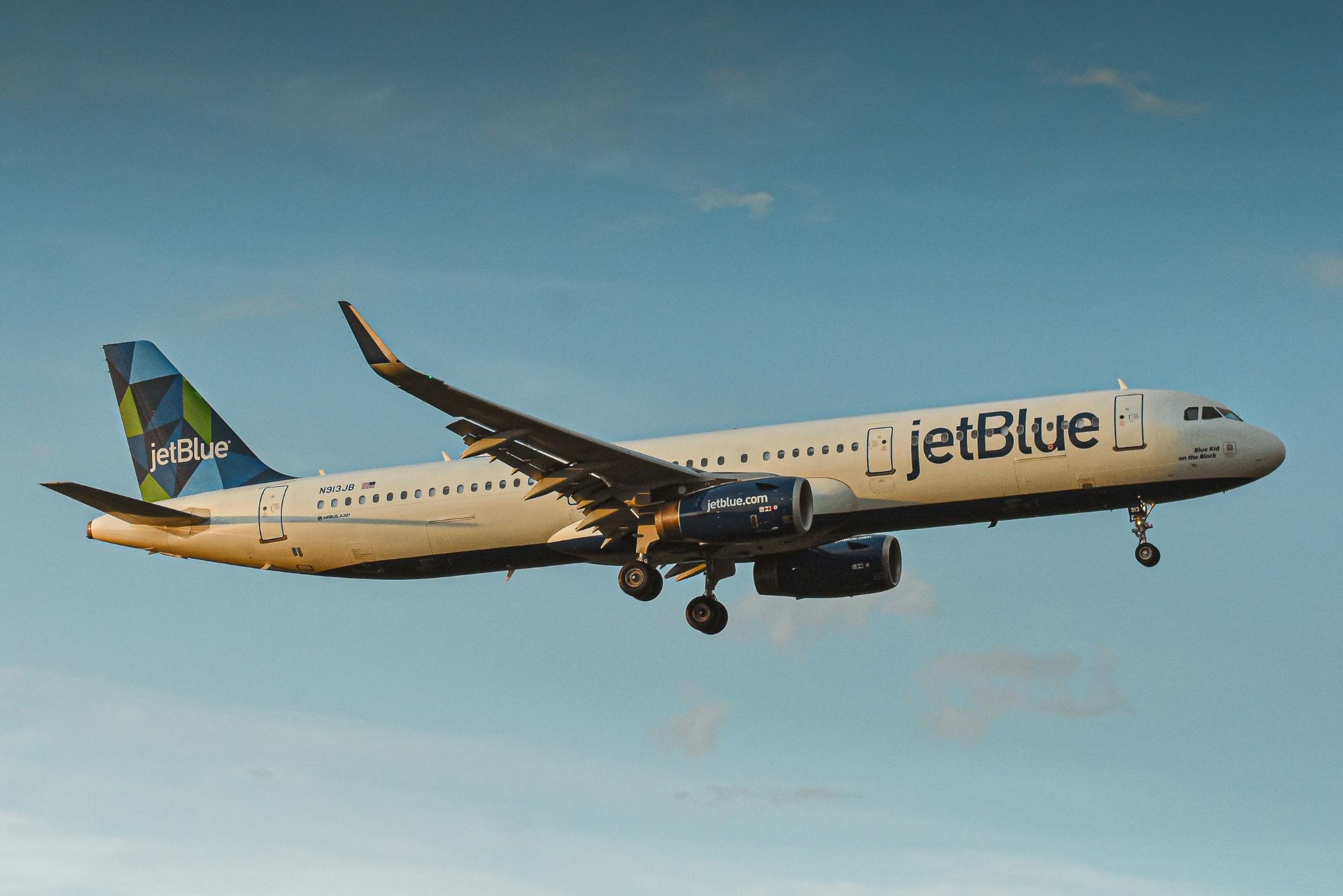
Where Will Spirit and JetBlue End Up?
Spirit's most probable outcome involves a bankruptcy filing, and a subsequent restructuring that leaves it as a small regional airliner. In the alternative scenario, Spirit Airlines will simply liquidate its operations and distribute assets to creditors and lessors. Most of the latter includes aircraft, gates, and slots.
JetBlue's timeline is currently more flexible than that of Spirit. However, its long-term prospects are not very positive if JetBlue continues down the current course. A voluntary bankruptcy filing that results in the reduction of debt would help JetBlue to transform its balance sheet and become an attractive acquisition opportunity for American Airlines, United, or even private equity. JetBlue itself retains some strategic value thanks to its brand reputation, transatlantic plans, and airport positioning.
Final Thoughts
Simultaneous troubles in the fortunes of both Spirit and JetBlue are no coincidence; they are a result of the current economic situation. The business model that relies on incredibly tight margins without any premium cabins or loyalty programs turns out to be structurally frail under conditions of rising fuel and operating costs, as well as increased customer demand for more comfortable experience. Spirit looks set to disappear from the market, while JetBlue has a few more options to choose from.
DISCOVER THE RIGHT CARD FOR YOU.
Explore our card recommendations and find a credit card that suits your personal needs.
Browse card categories
%20(1).jpg)
.svg)