.svg)

The Industry's Silent Weapon Against Elite Travel: Airlines Are Selling First Class for $26
.jpg)
%20(1).svg)
The Industry's Silent Weapon Against Elite Travel: Airlines Are Selling First Class for $26
Being a top-tier member of a frequent flyer loyalty program was once more than just bragging rights. In exchange for your frequent flying and high spend with a carrier, you got moved up front. That deal is quietly being torn up by the industry and its most valuable customers are only beginning to see the implications of what that means.
The systematic monetization of first-class cabin capacity on U.S.-based airlines is changing the nature of elite status benefits. What was once the primary reward for a year of concentrated loyalty has become an optimization play. At the same time, the $30,000 a year traveler is seeing her seat in the back taken by an occasional leisure flier paying $26 via a gate message.
Where Did Things Go Wrong? Delta Paved the Way Everyone Else Followed
Delta Air Lines may not have invented the premium cabin sale strategy, but the carrier certainly perfected it and the rest of the airline industry followed suit. The shift has been slow but inevitable. Just over two decades ago, the vast majority of all first class seats on domestic routes were either given away as upgrades or used for award bookings. Within a decade, that number was cut in half. Today, only approximately 12% of Delta's first class capacity on domestic flights is allocated to complimentary upgrades for SkyMiles elites.
On many routes, the number rounds down to zero. An elite member is sitting in the back with a paid ticket while someone who installed the mobile app last month and accepted a $40 offer at the gate is enjoying 2A. The trend has been mirrored by other major airlines albeit at various speeds. It's a logical decision from a business perspective. Confirmed first class seat sales for $102 bring more financial certainty than potential loyalty value associated with complimentary upgrades to passengers who will be flying regardless. However, the cumulative impact on the perceived value of elite status benefits is hard to ignore.
Mid-Tier Status Became the New Sweet Spot
Let's start with a bit of truth that is rarely advertised during loyalty program promotional campaigns: mid-tier status is the sweet spot where most benefits actually add value. Here are the four top benefits that make your life easier in practice, not just on paper:
- Priority check-in that keeps you off the line when you're checking bags
- Priority boarding that guarantees an open overhead bin even on crowded flights
- Free checked bags that save you the fee on every single trip
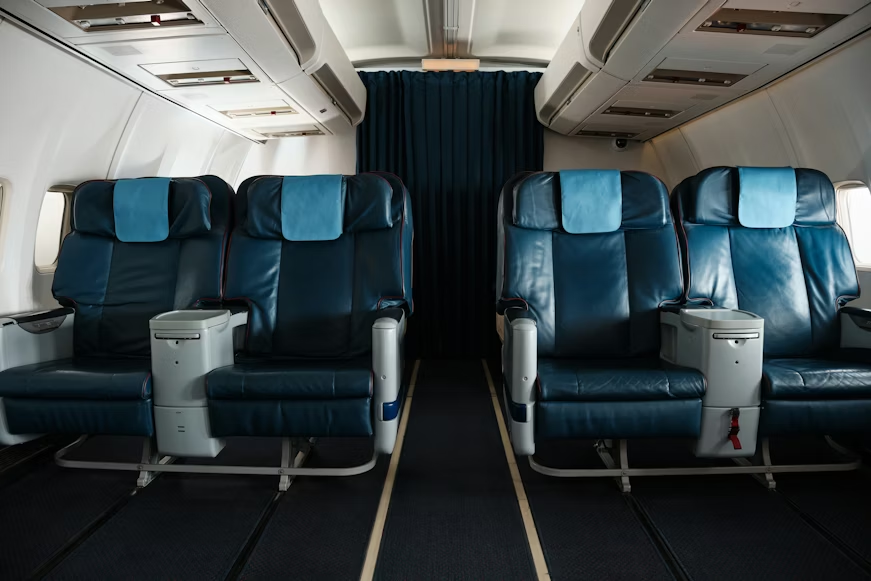
Access to economy plus or comfort seats
You get those benefits regardless of what's happening around. Priority check-in is always there, priority boarding works as advertised, you can enjoy free checked baggage without any strings attached, and you get the extra legroom whenever your plane happens to feature Comfort+ seats.
Top-tier status, on the other hand, offers a slightly higher chance of getting an upgrade or the distinct privilege of having a seat in the front of complimentary upgrades list. Other benefits are useful but mostly for frequent fliers at the absolute pinnacle of the loyalty game.
What's the Smartest Reframe of the Last Decade?
Special kudos must go to Delta Air Lines for the reframe they've managed to successfully sell. The carrier has been pushing the idea of Comfort+ as an upgraded version of regular economy seats for years now complete with an upgrade process that allows you to move into such seats using SkyMiles elite status.
It's a genius piece of marketing. By framing a Comfort+ seat as an achievement, Delta manages to convince you that the status level required to reliably get that seat is sufficient. You don't need to become a Diamond Medallion. You need enough status for a seat in the exit row aisle, and that's a realistic goal. Of course, that reframing implicitly assumes that a Comfort+ seat has the same value for travelers today as a true first class seat offered back when such upgrades were still a thing.
What Airlines Could Be Doing Better
The frustration with what's happening is understandable but let's also consider the smarter options. After all, airlines still have an opportunity to offer more attractive upgrades while retaining revenue. Here are two strategies airlines should seriously consider:
- Discounts on upgrade purchases for top tier frequent flyers. This approach is nothing new after all, airlines are well aware of the internal discounts they apply for employees and partners. Why not extend a similar perk to loyal customers? If you pay $30,000 a year for your loyalty and the airline knows that you will fly regardless, $60 for a $26 upgrade still adds to revenue.
- Blocking the middle seat next to top-tier status elites on flights with plenty of capacity. Blocking middle seats on non-guaranteed seats has long been part of airlines' revenue management strategies. In many ways, the middle seat between two top-tier members on a non-capacity-constrained flight is a perfect candidate for such blocking.
Why Airlines' Current Strategy Is Dangerous
The issue we discussed isn't just a matter of customer satisfaction but that of credit card revenues. It turns out that airlines have another, equally profitable, revenue stream that could be hurt by the current trend and it has little to do with selling premium cabin seats.
In fact, loyalty-based credit cards are the largest source of profits for many airlines. For instance, it's estimated that American Airlines' credit card co-branding programs are generating more money than the actual airline operations. Similarly, United Airlines generates tens of billions of dollars a year from its co-brand credit cards.
Elite status rewards are the primary driver of that income. It's the carrot that keeps customers putting all their transactions on airline-linked cards. With no elite status to chase, there are fewer reasons to do that and airlines might lose billions as a result.
Honest Evaluation of When Upgrades Are Worth Pursuing
Upgrading to an exit row aisle or middle seat in economy is worthwhile for any domestic flight under 1,500 miles. Most travelers flying shorter routes aren't trying to relax but get some work done. Exit rows are wide and comfortable enough for those purposes, as long as you're able to stretch your legs.
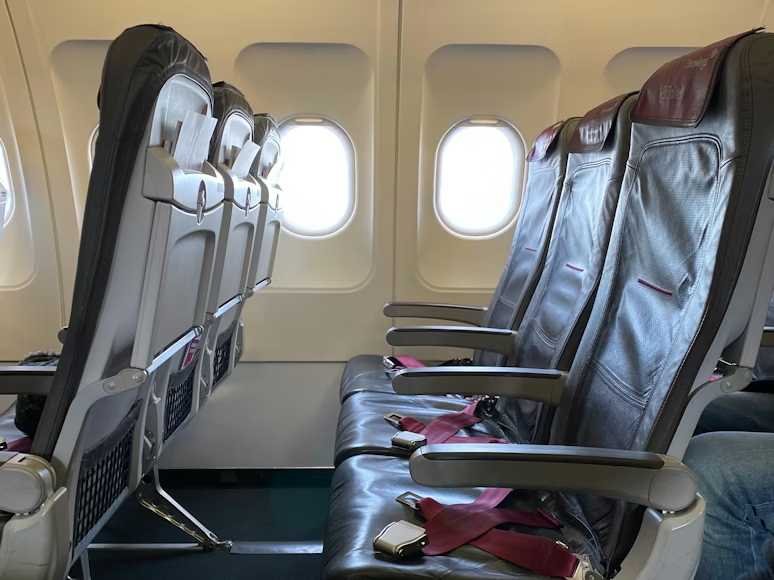
As far as first-class seating goes, upgrading to first class on a short domestic flight is rarely worthwhile. Even the most luxurious first-class meals on domestic flights are worth no more than a quick bite of your sandwich or a pack of chips and a two-hour-long flight is too short to benefit significantly from increased comfort of a wider seat.
When you start talking about flights five hours or longer, things start to change. More time means that the added comfort of first class can indeed make a difference especially for business travelers who will need to hit the ground running at their destination.
Final Thoughts
The air miles loyalty game isn't dead yet but its rules have been quietly rewritten. The implicit deal that guaranteed elite status elites a place in first class has been replaced by a monetization of premium seats through whatever means the market allows. In a way, airlines aren't being unfair about it they're simply making it explicit that elite status doesn't guarantee anything anymore.
As it currently stands, mid-tier status offers tangible benefits that are worth the effort to earn them. Top-tier benefits may make sense for some travelers, but not for others. Unless airlines develop a different strategy that makes elite status truly valuable again through upgrades, seat blocking, or other means it makes sense for most travelers to stop chasing the unreachable peak and get comfortable at base camp.
DISCOVER THE RIGHT CARD FOR YOU.
Explore our card recommendations and find a credit card that suits your personal needs.
Browse card categories
%20(1).jpg)
.svg)