.svg)

Let’s talk about airplane temperature, because no one else does

%20(1).svg)
I don’t care how nice the seat is or how good the food looks on Instagram — if the cabin temperature is off, the flight is ruined for me. And after years of long-haul flying, I’ve learned that airplane temperature isn’t random. Certain airlines are consistently warm. Others are reliably cool. Some change depending on the route, the aircraft, or even the crew that day.
What drives me crazy is that airlines almost never talk about this, yet it has a massive impact on how you feel when you land. I’ve stepped off flights feeling jet-lagged purely because I spent eight hours sweating under a blanket I didn’t even want. I’ve also had flights where I slept like a baby, mostly because the cabin was cool enough to forget about everything else.
Asian airlines definitely have a “warm cabin” personality
If you fly Asian airlines often, you’ll know exactly what I mean. Many of them intentionally keep cabins warmer than what most Western travelers are used to. I don’t think this is an accident. It feels cultural. Warmth is associated with comfort, especially overnight, and I’ve heard crew members explain that many passengers prefer it that way.
Japanese airlines are the most obvious example. I’ve flown them multiple times, and the experience is incredibly consistent: fantastic service, great food, very calm atmosphere… and a warm cabin. Not aggressively hot, but warm enough that I usually wake up sweaty if I try to sleep under the provided bedding. What makes it worse is that on many of these planes, especially in business and first class, there are no personal air vents. You can’t aim a little cold air at yourself. You’re just stuck with whatever temperature the cabin is set to.
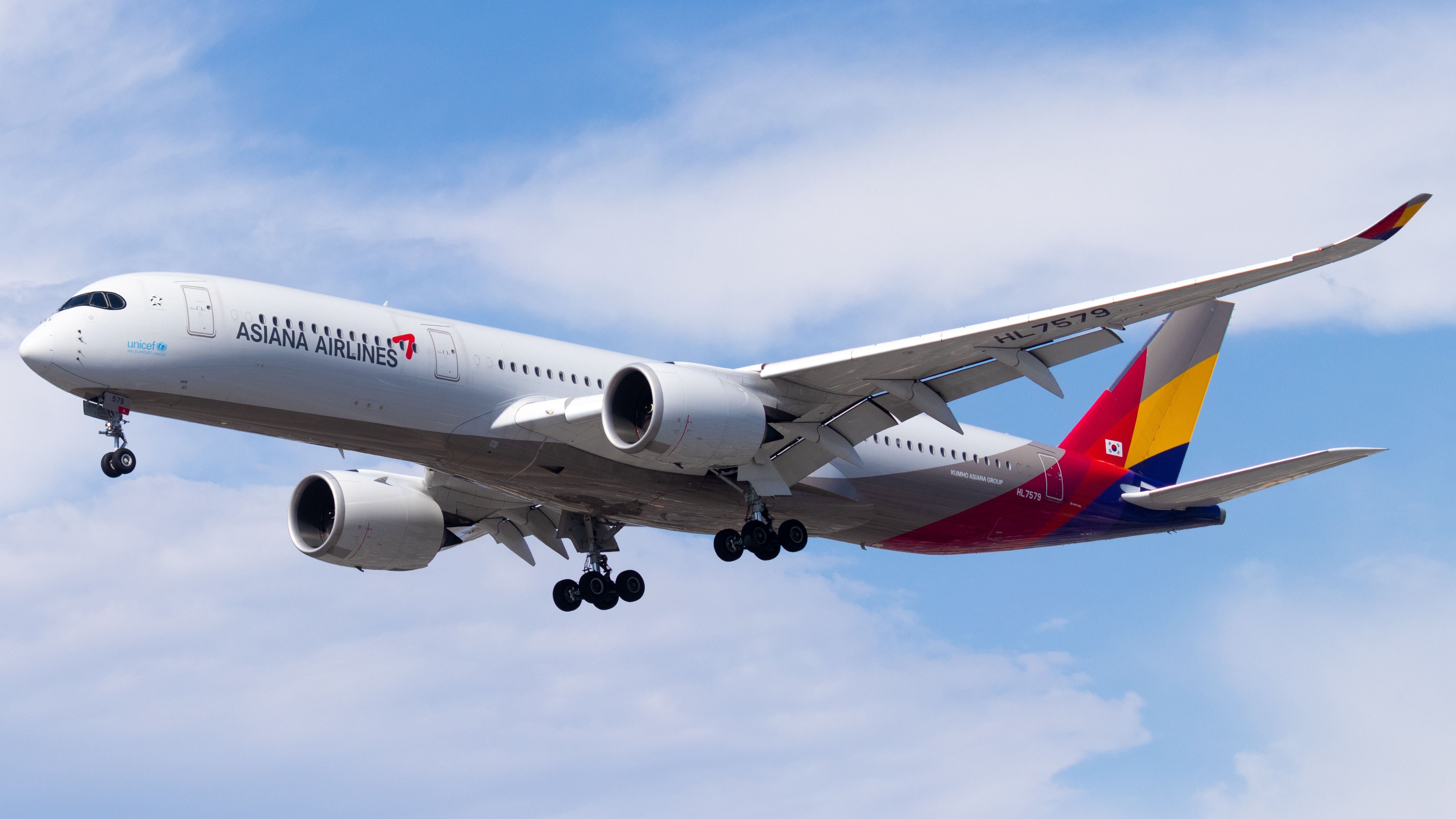
Korean airlines feel slightly less predictable. I’ve had flights that were totally fine and others where I kept wondering why it felt like the heat was still on halfway through the night. It’s not terrible, but if you run hot, it’s something to be aware of.
EVA Air is one of the few Asian carriers I trust temperature-wise
EVA Air stands out for me because it doesn’t follow the same extreme pattern. In most of my EVA long-haul flights, the temperature has been surprisingly reasonable. Not cold, but balanced. Cool enough to sleep without feeling clammy, which is honestly rare on long overnight flights in Asia.
That said, EVA isn’t perfect. I’ve had at least one flight where the cabin felt warmer than I wanted and asking for adjustments didn’t really change much. But compared to other airlines in the region, EVA is far more consistent. If someone asked me which Asian airline I trust most not to turn the cabin into a greenhouse, EVA would be near the top of that list.
Southeast Asia tends to get the balance right
What’s interesting is that airlines based in very hot places often manage cabin temperature better than you’d expect. Flights out of Southeast Asia can feel warm during boarding — which makes sense when you’re parked at a tropical airport — but once you’re in the air, things usually settle nicely.
I’ve found these airlines tend to cool the cabin gently after meal service on overnight flights. It’s subtle, but effective. You’re not freezing, but you’re cool enough to actually sleep. That’s the sweet spot, and when an airline hits it, you barely notice the temperature at all — which is exactly how it should be.
Middle Eastern airlines: luxury, but watch the heat
Middle Eastern carriers are interesting because they’re known for premium experiences, but temperature can be hit or miss, especially in higher cabins. Economy is usually fine. Plenty of airflow, strong air conditioning, personal vents — no major complaints there.
Premium cabins are a different story. On some aircraft, especially those with enclosed suites, heat builds up quickly if the overall cabin temperature is set too warm. I’ve been on flights where the space felt almost stuffy until enough people complained. Once the temperature was lowered, the experience improved dramatically, but it shouldn’t require group intervention to get comfortable.
The frustrating part is that when these cabins are set correctly, they’re amazing. But when they’re not, the lack of airflow becomes very noticeable very fast.
European airlines are all over the place
European carriers might be the most inconsistent of all. I’ve had flights that were beautifully cool from start to finish and others that felt warm for hours before anyone did anything about it. What I will say is that crews usually respond once temperature issues are raised — but they don’t always get ahead of it.
I’ve also experienced the opposite extreme: flights so cold that people stayed wrapped in blankets the entire way. It’s a gamble. I never board a European long-haul without layers.
Short flights can be worse than long-haul
Domestic and short-haul flights deserve their own category. Boarding is often brutal. Planes sitting on the ground heat up quickly, and air conditioning doesn’t always keep up until after takeoff. I’ve been on short flights where the cabin felt unbearable during delays, only to turn freezing cold once we were airborne.
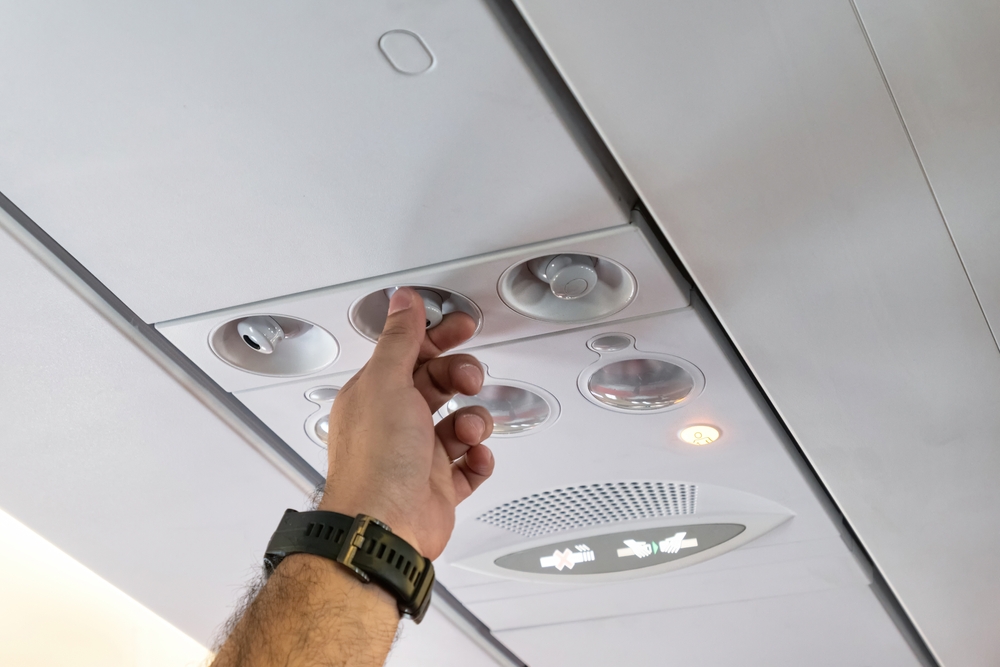
Ironically, short-haul economy is often easier to manage simply because personal air vents are almost always available. That little nozzle above your seat can make a huge difference, and I miss it every time I’m on a long-haul plane without one.
Cabin class doesn’t always mean better temperature
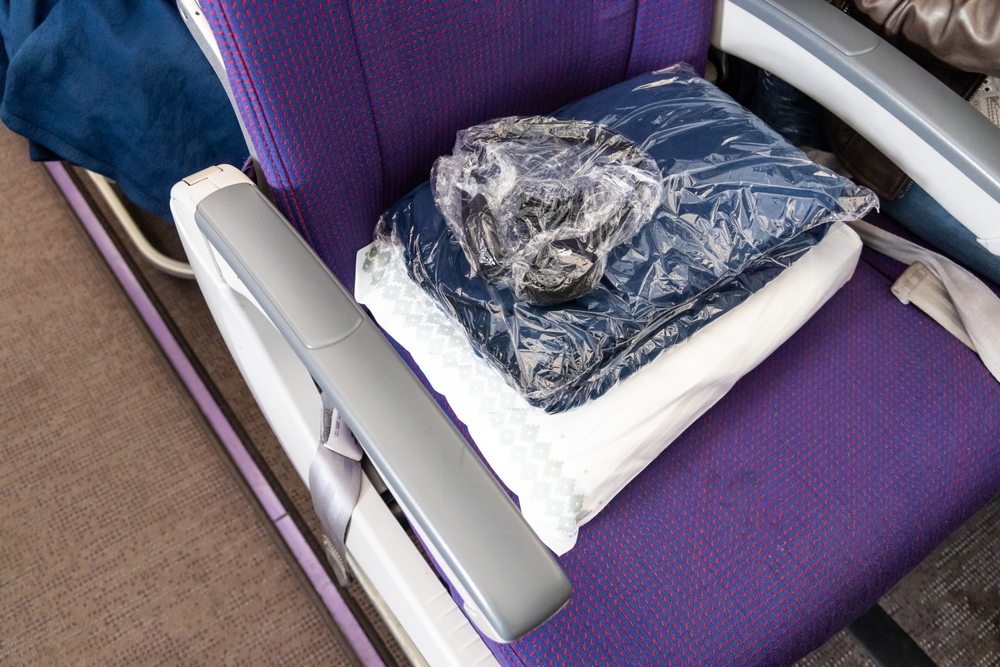
You’d think premium cabins would always be more comfortable, but that’s not guaranteed. Economy cabins are often kept cooler because of passenger density. Premium cabins sometimes run warmer, especially overnight, because airlines assume passengers want a cozy sleep environment under thick blankets.
For me, business class is where temperature issues show up most often. You’re expected to sleep, but the warmth sometimes works against that. First class usually gets attention faster if something is wrong, but that doesn’t mean it starts out perfect.
How I deal with it now
At this point, I treat cabin temperature like weather: I prepare for it. I always dress in layers, even on airlines I trust. I bring breathable sleepwear and something warm, just in case. And if something feels genuinely uncomfortable, I say something early, politely, before everyone settles in.
Temperature might sound like a small thing, but after enough flights, you realize it’s one of the biggest factors in how human you feel when you land. Airlines may never agree on the perfect setting, but knowing which ones run warm and which ones run cool has made my flying life a lot more comfortable.
If nothing else, this is your reminder: never board a long-haul flight assuming the cabin temperature will work in your favor. It rarely does — unless you plan for it.
DISCOVER THE RIGHT CARD FOR YOU.
Explore our card recommendations and find a credit card that suits your personal needs.
Browse card categories
%20(1).jpg)
.svg)