.svg)

Lufthansa Prepares Airbus A380 Business Class Upgrade Without Allegris Installation
.jpg)
%20(1).svg)
The Lufthansa company is proceeding with a major cabin upgrade strategy of its Airbus A380 fleet, targeting at improving the business class passenger experience in all of its largest aircraft. Although the airline is marketing its new generation Allegris cabin products in the new aircraft models, the Airbus A380 will be receiving another form of a business class renovation that will provide a quicker implementation and stable operation.
The ruling points out strategy reorientation at Lufthansa where it has decided to keep the Airbus A380 as a significant long-haul carrier given that the global travel demand is still recovering and growing. The modernization project is geared towards offering passengers better comfort besides making sure that the airline will be able to upgrade the cabins without experiencing significant delays caused by certification issues.
Both Verified Lufthansa Airbus A380 Cabin Retrofit Plan Timeline
Having previously lagged in its rollover schedule, Lufthansa has now approved a planned roadmap to deploy the upgraded business class in its Airbus A380 fleet. The retrofitted aircraft will be the first aircraft, which will commence cabin modifications in February 2026, and it will be expected to resume commercial passenger service in April 2026.
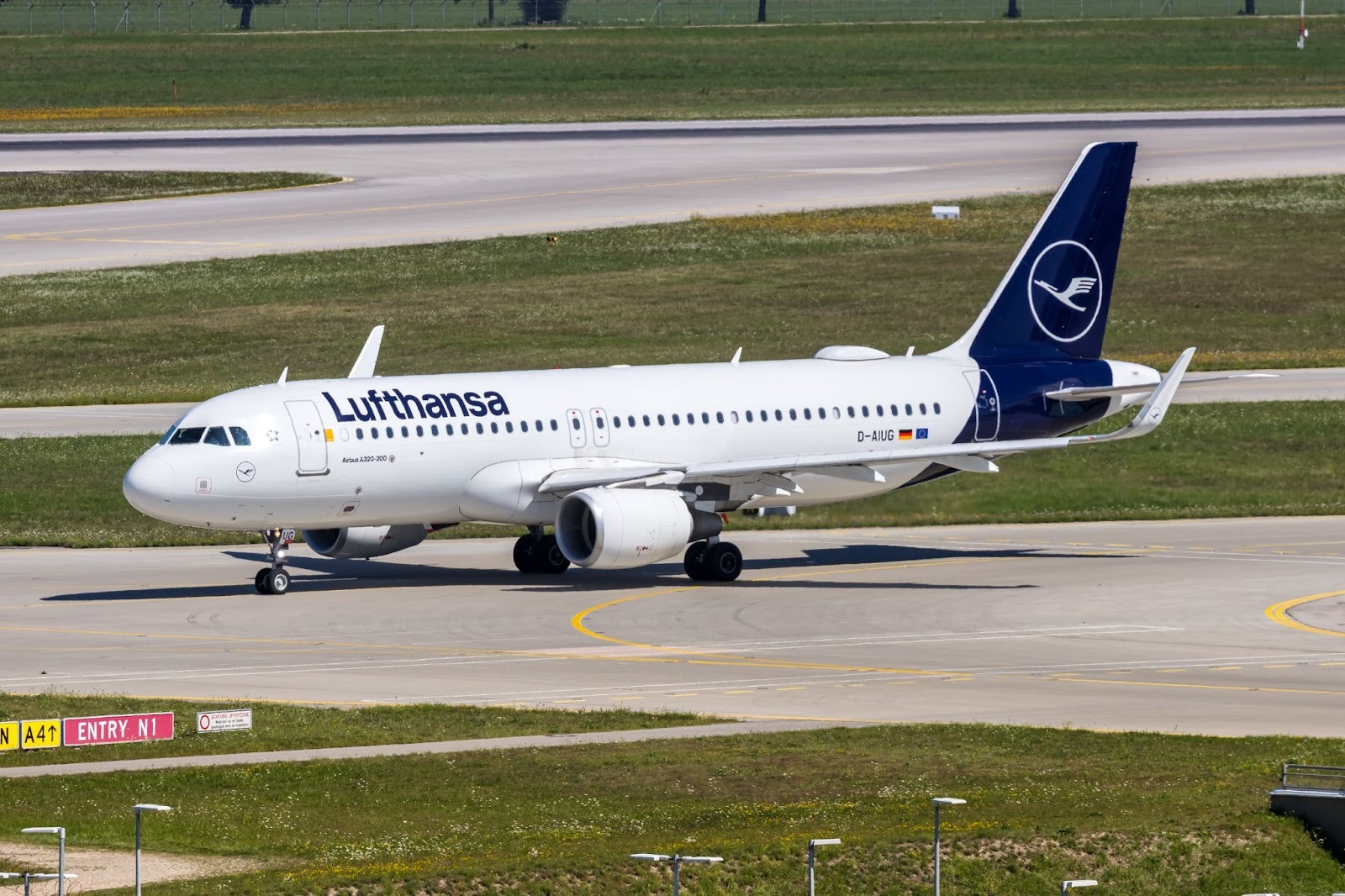
The airline intends to make upgrades on all eight active Airbus A380 planes by the halfway of 2027. Such gradual implementation will enable Lufthansa to operate without interruption as it progressively makes the enhanced cabin experience available to the passengers.
The retrofit program will be mainly aimed at retrofitting business classes seating. The rest of the cabin classes like the first class, premium economy and the economy classes will not change much but the passengers will experience slight changes like improved inflight entertainment systems and new interior design features.
New Business Class Seat Platform Thompson Aero Vantage XL Chosen
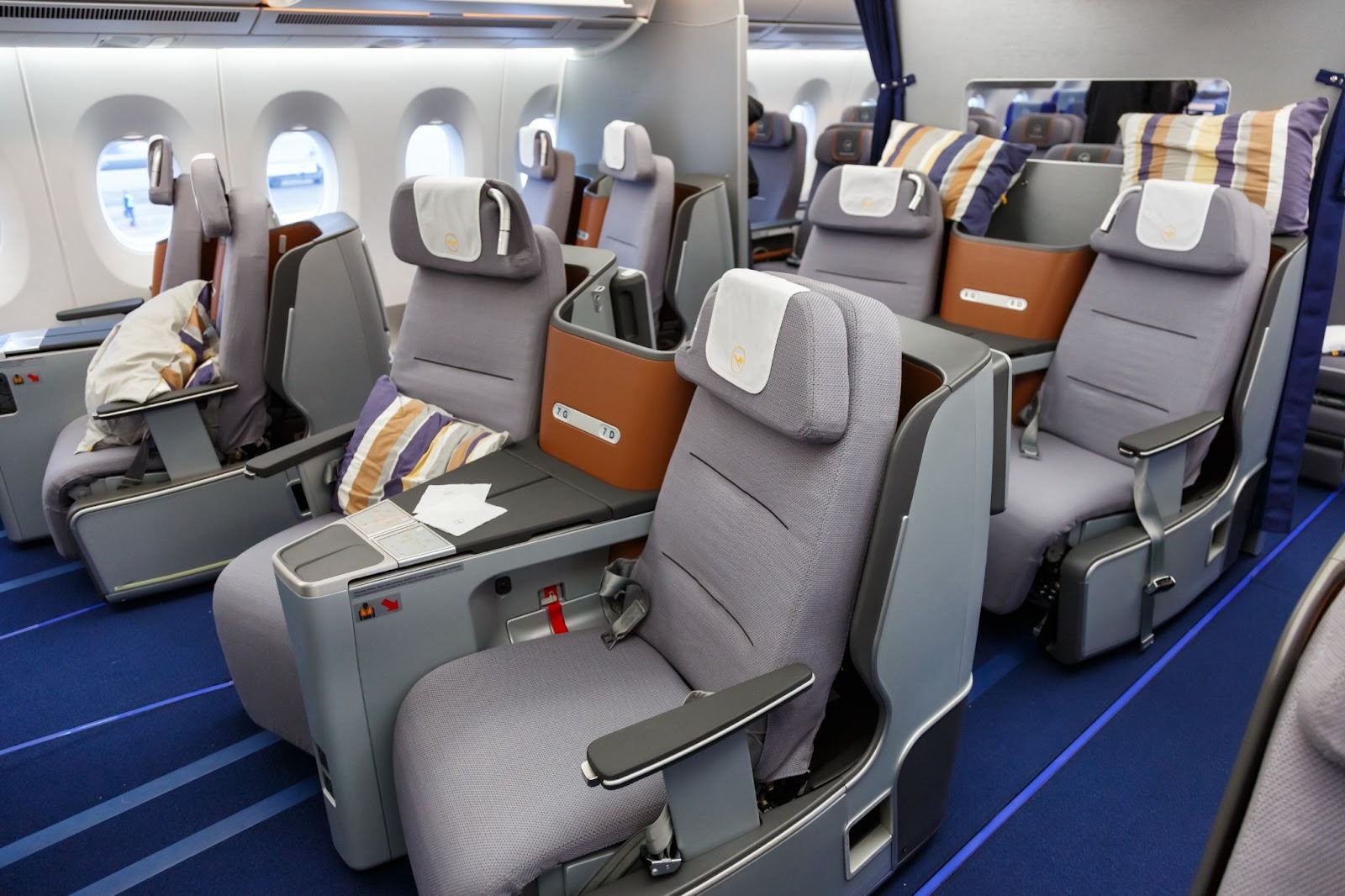
Rather than equipping the Airbus A380 with its latest Allegris business class product, Lufthansa has opted to use Thompson Aero Vantage XL seating platform. The model has already gained popularity in the aviation sector and it provides a convenient and effective solution with easy installation than the recently developed seat products.
The new business class will also be arranged in staggered seating layout arrangement where all passengers will have direct access to the aisle. The feature has become one of the primary demands of the current premium cabin design and it dramatically enhances convenience in the context of long-haul travel.
Multiple enhancements related to the comfort and technologies that passengers are at risk of experiencing during the long-distance travels will be offered:
- Every seat will also be converted into a full flat bed that is about 2 meters long and this will assist the passengers to comfortably sleep during the long flights.
- Privacy partitions can be adjusted by passengers based on their desire to be more open or closed.
The Rationales Of Lufthansa to miss the Allegris in Airbus A380
Despite the Allegris cabin being a future vision of the premium cabin of Lufthansa, there were a number of practical challenges that led the management to not install it in the Airbus A380 fleet. The problem with certification delays is one of the largest as it has already affected the rollout of Allegris on other aircraft types.
Selecting a seating product which is already certified, Lufthansa will be able to implement its cabin upgrades much quicker. This minimizes uncertainty in operations and enables the airline to keep up with competitive premiums without having to wait before the operation is sanctioned through complicated procedures.
Also, the arrangement of the Airbus A380, especially the upper deck is a further obstacle to installing very customized seating systems. A developed seating product will ease the complexity of engineering and will reduce upgrades costs.
Airbus A380 turns into a Long-term Property within the Lufthansa Fleet Strategy
In the early days of the global pandemic, Lufthansa had grounded its full fleet of Airbus A380 aircraft and at first, it estimated to get rid of the aircraft forever. That strategy changed, however, with the recovery in worldwide travel demand, particularly in transatlantic leisure markets, coming faster than expected.
Starting in summer 2023, Lufthansa slowly brought back Airbus A380 flying units to service. Eight of the initial fleet aircraft returned to operation with the rest of the aircraft being sold.
The A380 return was initially perceived to be a temporary solution during the time they were waiting to receive aircraft that were delayed. As the years progressed, good performance in the routes and passenger demands proved that the A380 could still be of a good use in the Lufthansa long-haul network.
The new business class investment is a perfect indication that Lufthansa believes that the Airbus A380 will be in active use in many years to come.
Lufthansa Airbus A380 Business Class Upgrade Passenger Benefits
The passengers that have been in the upgraded Airbus A380 planes will not fail to notice that the comfort, technology and personal space are improved. The new business class cabins will be made to fit in the current global standards of premium travel with a much updated on board experience.
During the transition period when upgrades are being implemented over the fleet, there are several important factors that should be considered by travelers:
- Upgrades of the cabins will occur at a slow pace and as such, some flights will still have the old business class seats until the retrofit program is completed.
- The selection of the aircraft type at the time of booking may assist passengers in booking the flight types that already have the new upgraded business class cabin.
The way The Upgrade Qualifies as a Global Fleet Modernization at Lufthansa
Lufthansa also has the ongoing task of refurbishing several types of its planes as part of the wider fleet modernization plan. The airline is also rolling out Allegris cabins on Airbus A350 and Boeing 787 planes as well as Boeing 747 cabins that are being upgraded in a phased process.
This ambidexterity upgrade approach illustrates how airlines should strike a balance between innovation, certification schedules, and operation effectiveness. Global airlines have the tendency of phasing upgrades in their fleets to prevent inefficiencies in their operations that could result in lack of passenger satisfaction.
With the growth of global travel, airlines are continually under pressure to provide modern premium cabin services whilst trying to control upgrade costs as well as regulatory demands.
Final Outlook For Lufthansa Airbus A380 Business Class Transformation
Lufthansa’s Airbus A380 business class upgrade represents a practical and strategic investment in the airline’s future long-haul travel network. The first upgraded aircraft is expected to begin flying with passengers in April 2026, with all eight aircraft expected to be upgraded by mid-2027.
Although passengers will not experience the new Allegris business class seats on these aircraft, the Thompson Aero Vantage XL seats still represent a significant improvement compared to the current seating configuration. The slight reduction in seat numbers also reflects a broader industry trend toward prioritizing passenger comfort, privacy, and personal space.
Overall, Lufthansa’s decision shows how airlines are adapting their upgrade strategies to match real-world operational challenges while still delivering improved passenger experiences.
DISCOVER THE RIGHT CARD FOR YOU.
Explore our card recommendations and find a credit card that suits your personal needs.
Browse card categories
%20(1).jpg)
.svg)