.svg)

Mysterious Vibrations at 33,000 Feet Force an Air India Flight to Make an Unplanned Stop in Ireland
%20(1).svg)
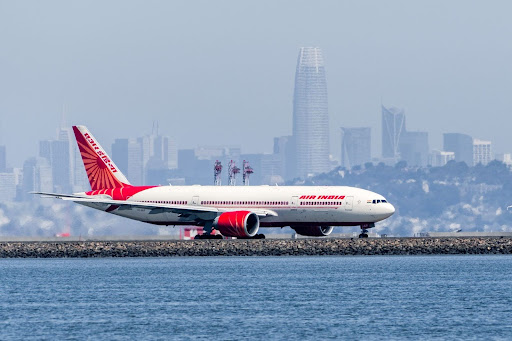
It is hard to get anything more disturbing than having the floor shake under your feet halfway across the Atlantic Ocean during the middle of the night. That is what Monday journey of Air India Flight AI-102 was to the passengers who were on board the flight, a journey which was an overnight drama that was to run to an unknown runway in western Ireland.
When the Floor Begins Falling across the Sea
The plane had been flying hours and was flying 33,000ft over the Atlantic when something out of the ordinary started to occur at the back of the cabin. The passengers who were sitting in the rows 33 and 34, in the approximate third of the back part of the Airbus A350-900, began to feel some strange vibrations under the floor. It was too noticeable to be checked as regular airplane noise. The trembling was clear, and was contagious.
The sensation was transmitted through the cabin, the sound of more passengers picking it up. Flight attendants came to alert and they hurriedly put the situation to the cockpit. It was then followed by a systematic process of trouble shooting, wherein the flight crew was able to close down one system after another in the plane, attempting to isolate whatever was causing the commotion. Nothing indicated anything definite.
Having an otherwise inexplicable mechanical failure on the open ocean with not even an indication of resolution, the pilots placed the order that safety protocols would require in precisely this scenario: divert to the nearest appropriate airport. That proved to be Shannon Airport in the west coast of Ireland where Flight AI-102 landed uneventfully at around 4.30 in the morning.
240 Passengers, Zero Local Support and Emergency Visas
The easy task was to land safely. The next thing was much more complex.
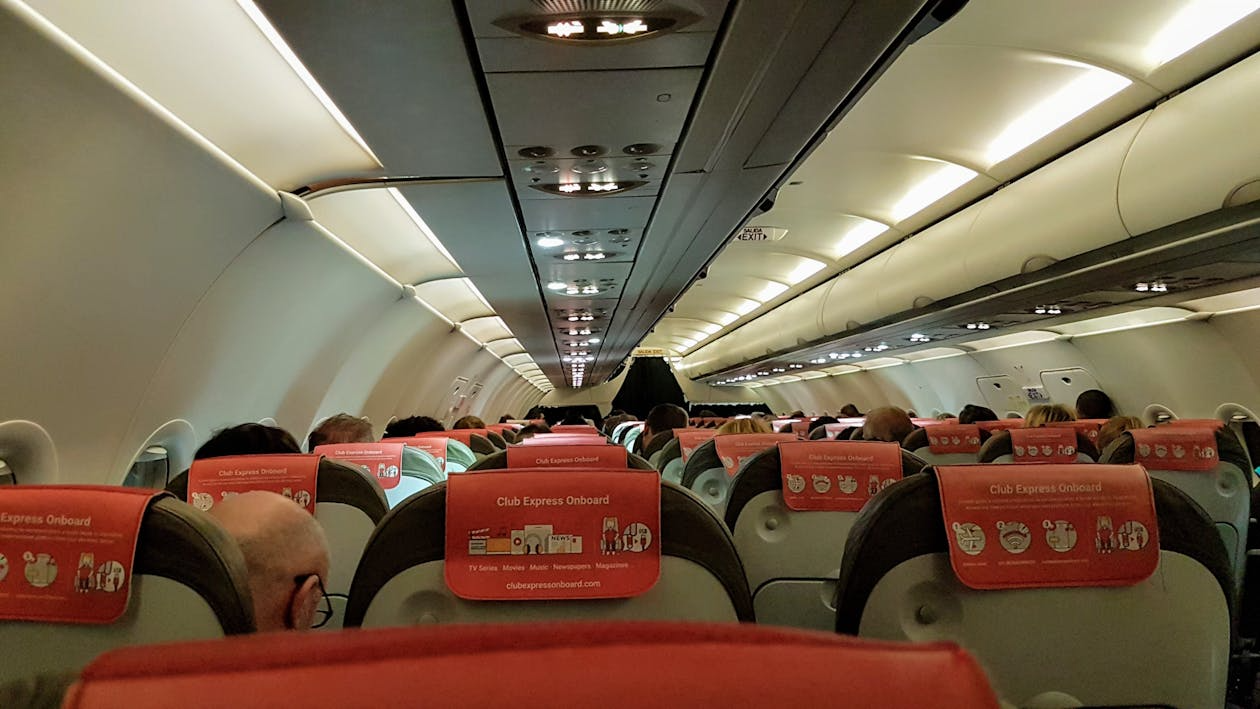
Air India does not fly on a regular schedule to Ireland and this meant that the airline did not have any ground staff, no developed airport arrangements and no local infrastructure to tap into when 240 passengers abruptly had to be checked, accommodated and taken care of in a country none of them had decided to go on vacation. Some of the passengers were forced to secure emergency visas even to leave the plane and get into Ireland - a further burden of red tape on an already tiresome ordeal in the first hours of the day.
And at some point, the passengers were taken to the local hotels where they had to wait the hour of delay as Air India strategised on the next course of action. The airline itself in an official statement confirmed it was offering meals, refreshments, and assistance on immigration, and it hired partners at the airport at Shannon to assist in handling the situation. Delhi engineers were sent to carry out the comprehensive inspection of the plane - a task which the airline admitted would require a lot of time before it was completed.
So What Was the Real cause of the Vibrations?
It does not exactly have a clear answer to that question, which is aggravating. The plane in question, A350-900 VT-JRF, a two-and-a-half-year-old aircraft, is still in Shannon waiting as technical assessment is carried out.
According to passenger accounts, the plane had cleared an area of turbulence just before the vibrations started and this has led to speculation as to what could have been upset in the process. A major hypothesis is that the turbulence might have moved cargo that was not entirely fixed in the hold beneath, resulting in it shifting about, which generated the strange sounds and the floor vibrations that had been experienced in the cabin. Alternatively, which is much more prosaic but also perfectly likely, is that some loose panel or structural element was jostled loose by the coarse air.
Neither theory has been proven true and Air India has made pains to describe the diversion as precautionary, so that the word has a particular connotation within the aviation context, which implies that the diversion was caused by excessive caution on the part of the crew members rather than the occurrence of an emergency situation at hand. The fact that landing was routine and that all passengers coming out of the landing were safe is all in line with that framing.
The Strange History of this Specific Airplane
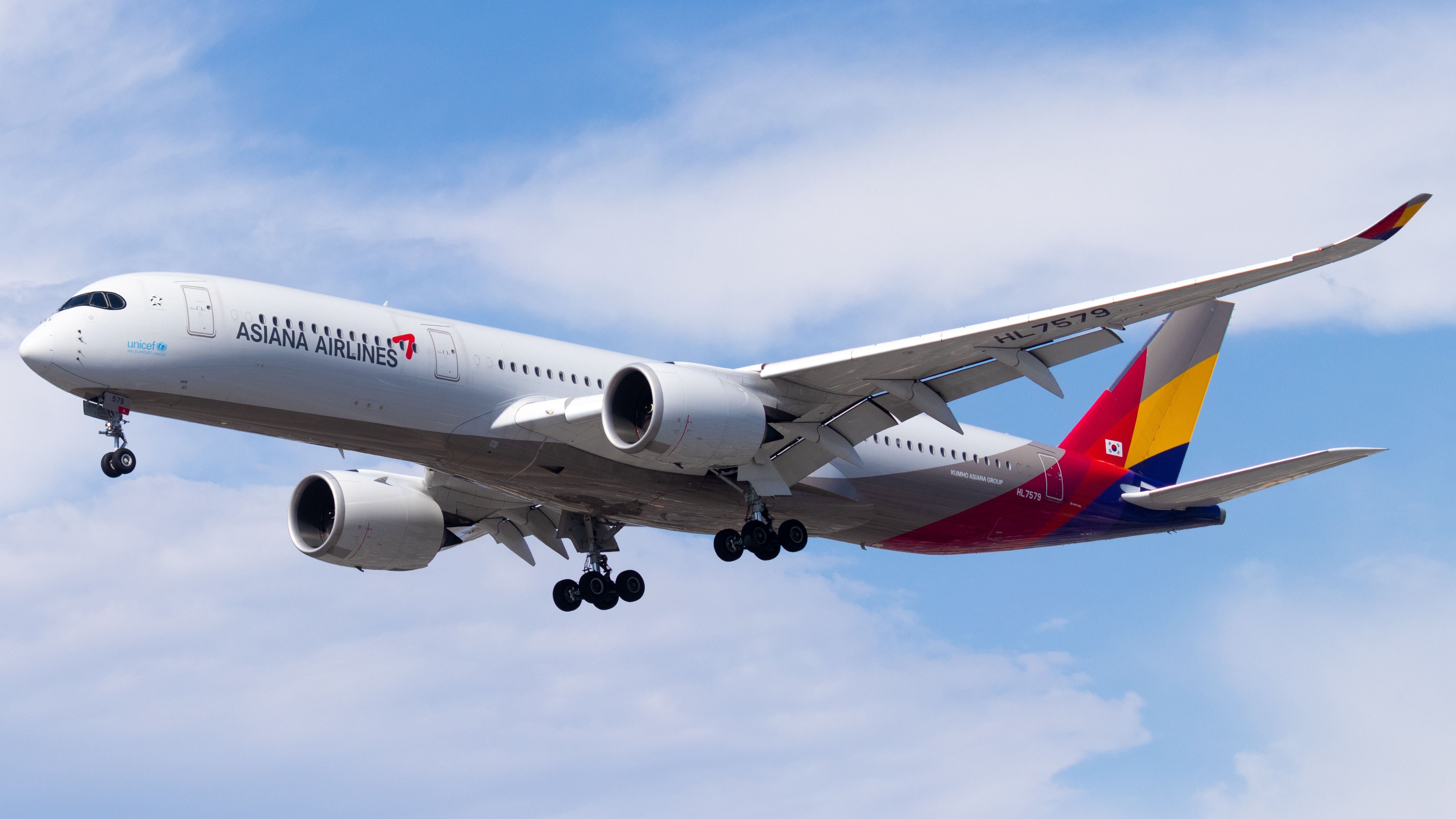
This story has an interesting footnote that has nothing to do with the diversion itself, but it provides some context in which one might be interested to know. The A350, in the middle of this accident, is a curious case having been initially produced and designed for use by Aeroflot, the national airlines in Russia.
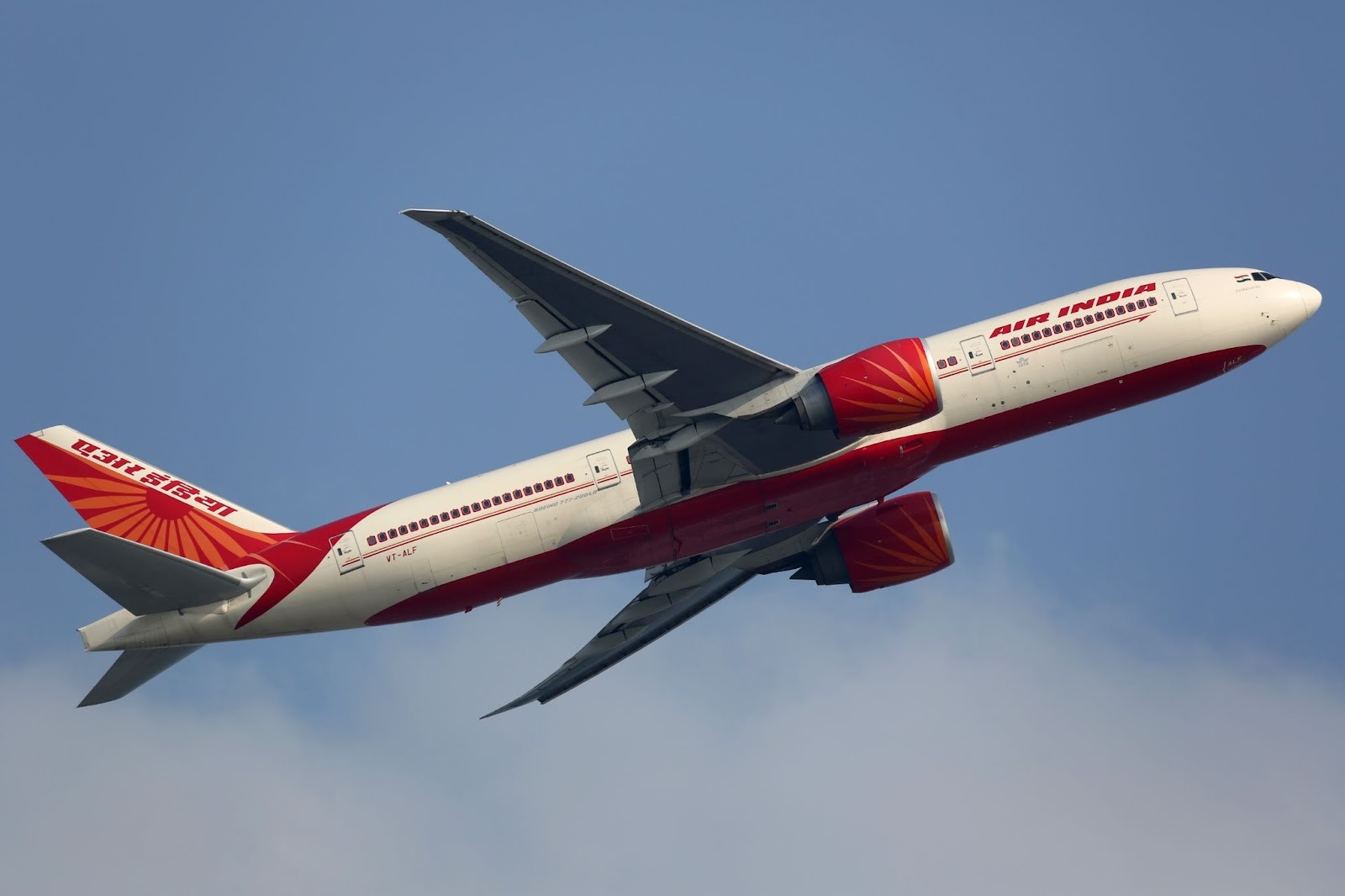
Such planes were also a part of an order which Aeroflot was going to obtain at the beginning of 2022, just before the invasion of Ukraine by Russia. The sanctions that were put on the war by different countries practically put the shipment on hold as very few new widebody jets were left in some state of limbo. Air India hastened to have them, working out what the airline industry terms a soft reconfiguration, i.e. removing the Aeroflot branding and striping and maintaining much of the original cabin design and layout as specified by the Russian carrier.
It serves to remind us of the way in which geopolitical events can shake the commercial air transportation sector causing aircraft to move between the fleet of one carrier to that of another nearly overnight.
A Warning to How Taken Aviation the Unknown
Whichever way it turns out to be after the investigation is done, Monday is a good example of how the commercial aviation copes with uncertainty. The plane crew was unable to diagnose the source of vibrations after 30 minutes of troubleshooting. Instead of driving forward across the rest of the ocean and rely to the best of their ability, they landed. This is the very decision that the training is supposed to create, a decision made conservatively, deliberate and in line with the established safety culture.
To the passengers, it was certainly a shock: rudely awakened by the unusual feelings at altitude, diverted to a destination they had not intended to visit, having to do visa paperwork in at 4.30 in the morning and with no certainty of how soon they would be allowed to continue their trip to New Delhi. It was certainly a hard night by any standard.
But they landed. Everyone did. And in aviation, that is always what matters.
DISCOVER THE RIGHT CARD FOR YOU.
Explore our card recommendations and find a credit card that suits your personal needs.
Browse card categories
%20(1).jpg)
.svg)