.svg)

Rethinking the Boarding Line: How Southwest Is Reworking Its Process to Fix Carry-On Chaos
.jpg)
%20(1).svg)
The air travel has been a delicate balancing act of time, logic and expectation of the passengers. Overhead bin space is one of the issues that have been silently becoming a significant source of stress in travelers in recent years. Increased passengers are attempting to evade bag charges and carry on their baggage, which has increased competition in cabin storage. One of the largest airline companies in the United States is now re-strategizing again to ensure that the boarding process remains organized and eliminates frustration at the entrance.
Southwest airlines, a long time unconventional open-seating airline, is currently undergoing a major operational transformation. The airline has recently transitioned to assigned seating and a boarding process structure after decades of doing things differently. The mission was straightforward: simplify the process of boarding, streamline it, and simplify it. However, practical experience has demonstrated that the transition to a new long-established system is hardly always smooth.
A closer inspection of the reasons behind these changes, their impact on the traveler, and how the overall airline industry is shaping the future of boarding processes is provided below.
A Retirement of Boarding Style
Throughout the history, Southwest was a unique company that provided the opportunity to select seats when boarding the plane. The passengers boarded according to the numbers of boarding, and there was a first come, first serve atmosphere in the cabin. It was stressful to some of the passengers whereas it was flexible to some.
One of the most significant changes in the brand image was the introduction of assigned seating that finally took off in the airline. A lot of customers were anticipating that the change would make boarding easier. Rather it brought a different set of problems which were especially regarding carry-on baggage.
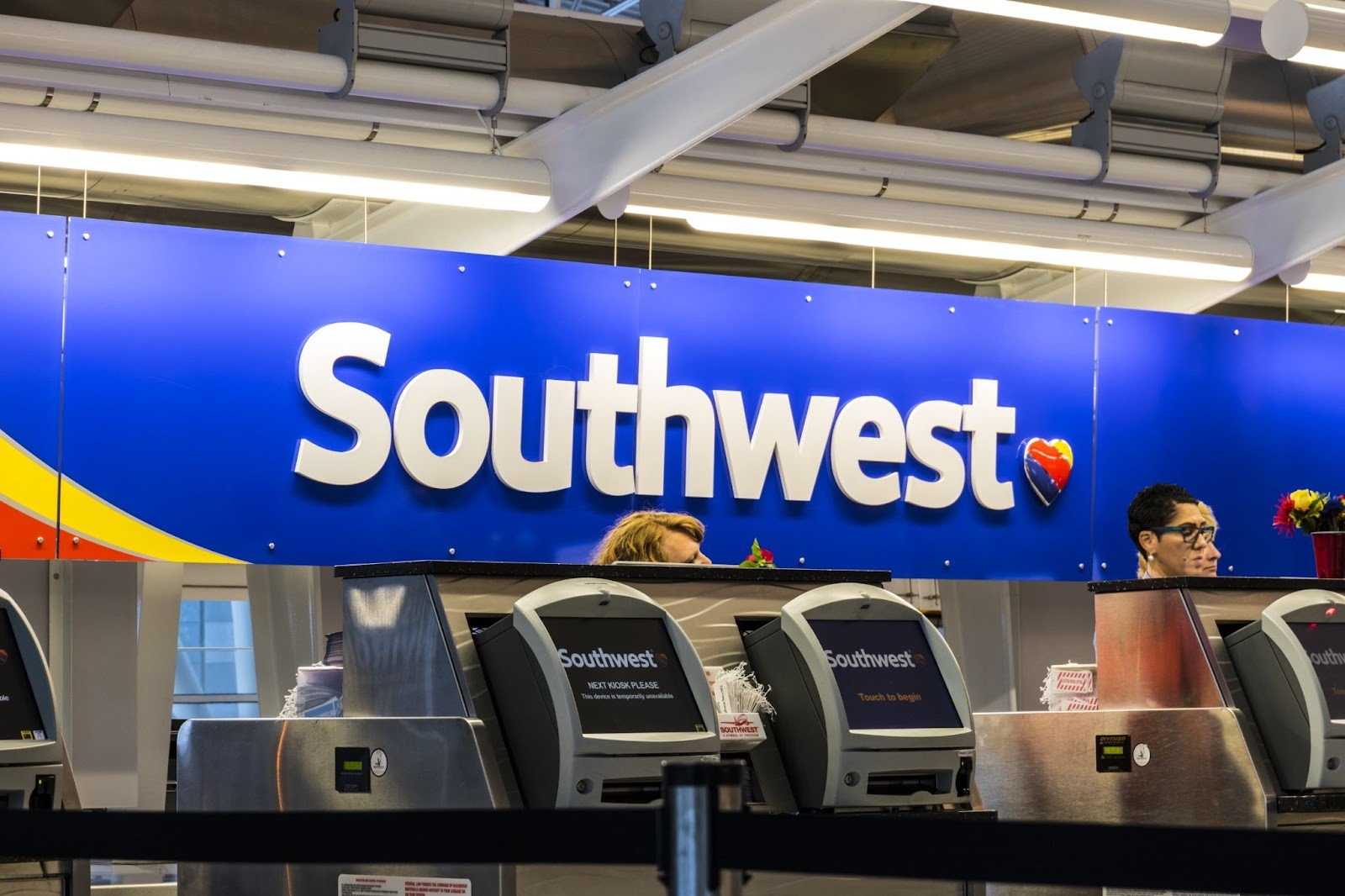
The allotted seats eliminated the scramble over the desirable seats, but not the scramble over the overhead space. It actually made competition of bins to be more pronounced since passengers now go directly to their allocated rows and demand to be stored close to them.
The reason Overhead Bin Space has become a War Zone
In order to comprehend the problem, it is good to refer to the behavior of travelers. Airport charges on checked luggage, the time pressure of getting to next flights and the fear of lost bags have prompted more passengers to carry their luggage as carry-ons. In most flights, almost all passengers fly with a roller bag and a personal item.
The result? The overhead compartments are filled within a short time-span- in some cases before half the plane is loaded.
In cases where a bag takes too much space in a bin next to a passenger, he is required to keep it closer to the other passengers in a different bin, which would be at the back of his row. This causes delays in the deplaning process and tension in the boarding. The passengers can linger in the aisle in a bid to find room to occupy, which slows down the whole process.
This dilemma is experienced by airlines all around the world, but any company that is switching its individual system to the traditional one experiences the strain more intensely.
The Shape of a New Boarding Order
To address the issue of congestion Southwest implemented a multi-group boarding design. Elite passengers, premium fare purchasers and credit card holders are given early access to the plane. Low-cost passengers are usually late boarders.
Such a multi-level strategy is typical of the airline sector. It is incentive based and incentives loyalty and increased spending coupled with aiding airlines to deal with passenger flow. Nevertheless the specifics of boarding sequence may have a great impact on the speed of filling overhead bins.
Initially, the group comprised of passengers in extra-legroom rows as some of the first people to board. The reasoning was that these passengers paid higher and they deserved a smoother experience. However, this gave a side effect; bins at the front of the plane were filled like lightning.
Customers who were sitting further back and boarded later usually had no space to be close to them.
The Latest Adjustment
The airline responded by developing its strategy. Only front row passengers and those occupying self-help exit rows are now in the first boarding group. Other extra-legroom passengers are shuffled into the queue a little later.
The airline has also recognized the fact that there has been an issue of jet bridge crowding. Too many of the early-group passengers queue simultaneously and cause bottlenecks even before anyone boards the aircraft. Through changing the size and composition of the groups, the congestion is minimized.
The Customer Experience Dilemma
Uncertainty is the most annoying aspect of travelling as a traveler. There are reports of some passengers getting confused on which group they will be allocated to up to the time before they take off. Some fear that they will have to pay more to get a particular seat that does not necessarily mean they will be able to board first.
This uncertainty has seen some passengers swap their seat allocations hoping to board first. It is not just a question of comfort, but of getting a place to carry-on luggage.
The new boarding race is no longer about legroom, but rather on the placement of luggage.
Changes of the Cabin Behind the Scenes
The issue of boarding order is not the only one which is under reconsideration. The airline has also tried out the way onboard storage is done. Indicatively, relocating crew-reserved luggage areas out of prime cabin spaces could be used to liberate passenger space to other useful purposes.
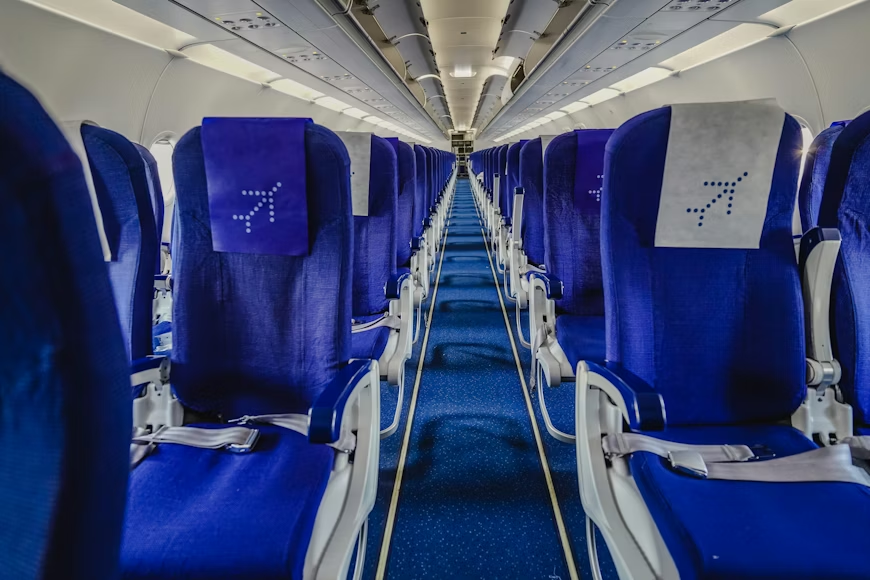
But these can cause internal tensions. Flight crews also use the available storage to keep safety equipment and personal items required throughout the duty. Operational needs and passenger satisfaction are hard to strike a balance.
The airlines have to balance efficiency, safety, and the considerations of the employees and also provide a good customer experience.
What This Means for the Future of Boarding
Airline boarding procedures are far from static. As passenger habits shift and aircraft cabins evolve, policies will continue to change. Technology may also play a role, with smarter bin sensors or digital baggage tracking helping manage capacity.
The key takeaway is that airlines are listening even if the solutions require trial and error. Adjustments reflect real-time learning rather than indecision.
For travelers, patience and preparation remain the best tools. The days of simple boarding may be gone, but with thoughtful planning, the experience can still be manageable.
Final Thoughts
Southwest’s boarding evolution highlights a larger truth about air travel today: convenience is a moving target. What worked for decades may no longer suit modern passenger behavior. As airlines refine their systems, travelers will likely see more tweaks aimed at reducing delays and improving comfort.
Overhead bin space might seem like a small detail, but it has a big impact on the overall journey. When storage runs smoothly, boarding is faster, deplaning is easier, and tempers stay cooler.
In the end, the goal is shared by airlines and passengers alike a trip that begins and ends with as little stress as possible.
DISCOVER THE RIGHT CARD FOR YOU.
Explore our card recommendations and find a credit card that suits your personal needs.
Browse card categories
%20(1).jpg)
.svg)