.svg)

Spirit Airlines’ Future Hangs in the Balance as Pilots Urge Lenders to Prevent Liquidation
.jpg)
%20(1).svg)
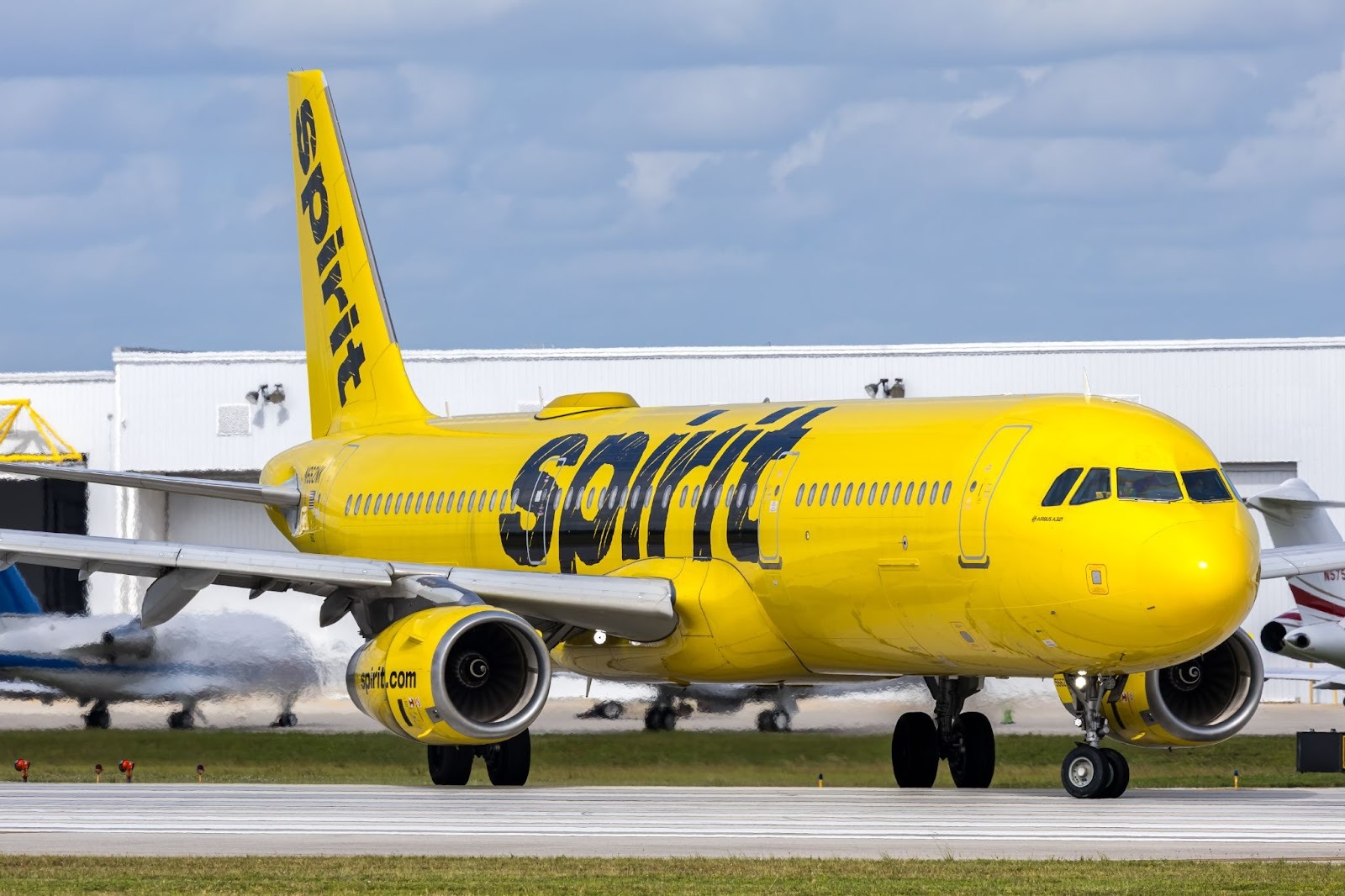
Spirit Airlines is once again at a crossroads, and this time the consequences couldn’t be more dire. As the ultra-low-cost carrier finds itself in a Chapter 11 bankruptcy restructuring, its pilots are making a direct appeal to the financial institutions that hold the fate of the airline in their hands. At the heart of this appeal is Citadel, one of the most powerful bondholders of Spirit Airlines, whose financial support may well be the difference between the airline’s survival or extinction.
What is happening is more than a typical bankruptcy case. It is a fight over jobs, competition in the airline industry in the United States, and the economic well-being of South Florida, where Spirit has strong ties.
A Direct Appeal From the Cockpit
Earlier this week, the Air Line Pilots Association (ALPA), which represents the pilots of Spirit Airlines, issued an open letter to the airline’s bondholders. The letter was clear and unequivocal: in order for Spirit to emerge from its restructuring and avoid liquidation, funding must continue.
The letter was signed by ALPA International President Jason Ambrosi and Ryan P. Muller, Chairman of Spirit’s ALPA Master Executive Council. Together, they made it clear that Spirit’s bankruptcy procedure is not intended to break down the airline but to stabilize it and help it come out as a viable entity.
As per the leadership of the pilots, the toughest part has already been accomplished. Routes have been reduced, planes have been returned to lessors, and financial sacrifices have been made by labor organizations. The only thing that has not been resolved, according to them, is whether the bondholders will stick to the existing financial commitments or walk away and cause the airline to fail.
Why Citadel’s Role Matters So Much
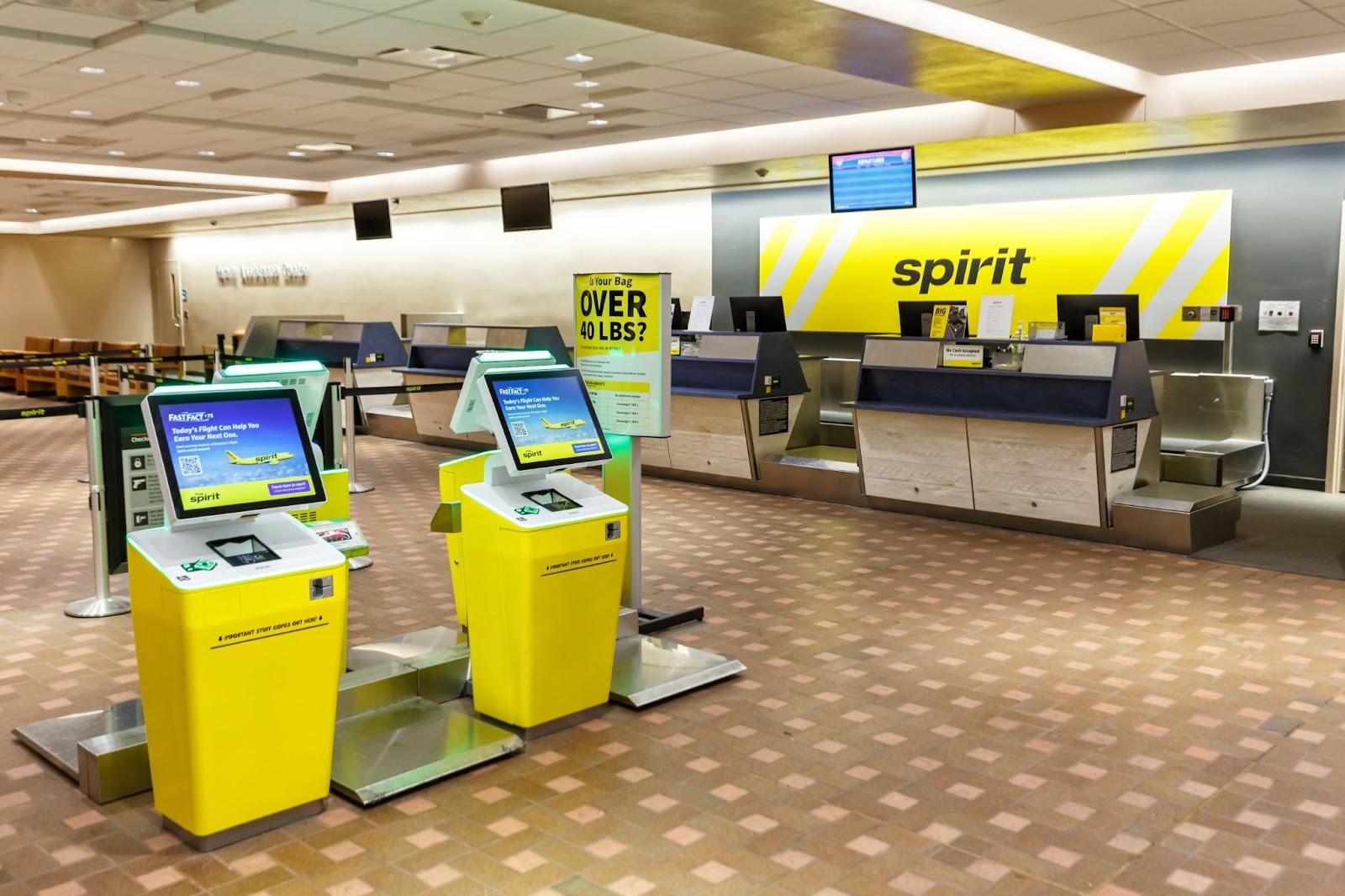
Of the lenders to Spirit, Citadel is particularly noteworthy because of its scale, power, and geographical location near the carrier’s base of operations. The investment firm, based in Miami, is a key player in the Debtor-In-Possession financing deal that has kept Spirit flying while in bankruptcy.
The financial lifeline for companies in Chapter 11 is DIP financing, which enables them to pay their employees, operate flights, and restructure their businesses. Without this financing option, bankruptcy is almost certain.
The pilots of Spirit argue that Citadel and other bondholders are now faced with a moment of truth: to support the restructuring process or pull the plug and trigger massive layoffs.
A Fragile Financial Lifeline
The current situation that Spirit is facing did not come about in a short period of time. The airline filed for Chapter 11 bankruptcy protection for the second time in less than six months last year, and this is a time of extreme financial difficulty. Unlike the previous filing, this one seeks to completely transform Spirit’s business model.
In this regard, Spirit was able to negotiate access to as much as $475 million of DIP financing. This financing was structured in a manner where it would be released based on certain milestones being met by the airline.
By the end of 2025, Spirit had been able to draw down $175 million of the funds. However, the next payment of $100 million became uncertain as the airline was unable to meet certain conditions set by the deadline of December. This created fears of liquidation.
Just in the nick of time, Spirit struck a deal with the lenders, amending the loan agreement and keeping the airline afloat. However, pilots have warned that if the airline does not have access to the remaining funds, the restructuring process could fall apart.
Workers Have Already Paid the Price
One of the most interesting things about the bankruptcy of Spirit is the degree to which the employees have already contributed to the airline’s survival. According to ALPA, the pilots and flight attendants together contributed concessions worth around $100 million, including compensation changes.
The sacrifices, however, were made in good faith, with the understanding that the financial stakeholders would also honor their side of the bargain, labor leaders say. The pilots’ message also reflects a growing frustration that workers have done their part, but the future of the airline is still uncertain because of decisions being made far away from the cockpit.
Spirit employs more than 15,000 employees in the United States, with over 6,000 employees in Florida alone. Pilots, mechanics, flight attendants, dispatchers, and ground employees will all lose their source of livelihood in case the airline is liquidated.
Economic Fallout Beyond the Airline
The possible failure of Spirit Airlines will have a ripple effect that goes beyond its employees. As the hometown airline of South Florida, Spirit Airlines is an important part of the regional economy. It helps to sustain local businesses, airports, tourism, and supply chains that are related to aviation.
A liquidation would also impact the competitive environment of air travel in the U.S. Spirit has always been a disruptor in the market, providing low fares that force the bigger airlines to maintain low fares as well. This would no longer be the case.
The letter from the pilots states that this would be more than a failure in business it would be a disruption that is preventable and has lasting effects.
Bankruptcy Is Not the Same as Failure
One of the key points of the pilots' appeal is a reminder of what Chapter 11 is intended to accomplish. Bankruptcy, they say, does not mean that an airline is hopeless. It is a process that allows airlines to restructure and become profitable again.
According to the leadership of Spirit and labor unions, the airline is almost done with this process. Liquidation is not an inevitable outcome, but it can become one if lenders decide not to honor funding agreements reached in the past.
The pilots emphasize that this is a point in time which does not require new strategies or innovative thoughts. It only requires completing what has already been started.
A Decision With Lasting Consequences
For Citadel and other bondholders, the decision that looms is of immense importance. To continue supporting Spirit may allow the airline to emerge from bankruptcy as a leaner and more competitive entity. To withdraw support, however, would mean the end of Spirit.
The letter from the pilots puts this decision not only into an economic perspective, but also into a moral one. Thousands of families, they say, have put their faith in the restructuring process and have made sacrifices to keep the airline flying.
Whether this trust will be rewarded or betrayed will soon become apparent.
Conclusion:
The case of Spirit Airlines illustrates the delicate relationship between finance, labor, and competition in the contemporary airline industry. Although Spirit Airlines has made difficult decisions to restructure its business, the airline’s survival is now largely dependent on the cooperation of its bondholders.
The message for Spirit’s pilots is clear: the airline can be saved, but only if financial interests honor their commitments. The next few weeks will tell whether Spirit Airlines will emerge from Chapter 11 as a restructured carrier or simply become the latest victim in a consolidating industry.
DISCOVER THE RIGHT CARD FOR YOU.
Explore our card recommendations and find a credit card that suits your personal needs.
Browse card categories
%20(1).jpg)
.svg)