.svg)

Spirit Airlines Is Attempting a Second Bankruptcy Exit Before a Federal Watchdog Says It Can't Just Go Ahead

%20(1).svg)
Spirit Airlines Is Attempting a Second Bankruptcy Exit Before a Federal Watchdog Says It Can't Just Go Ahead
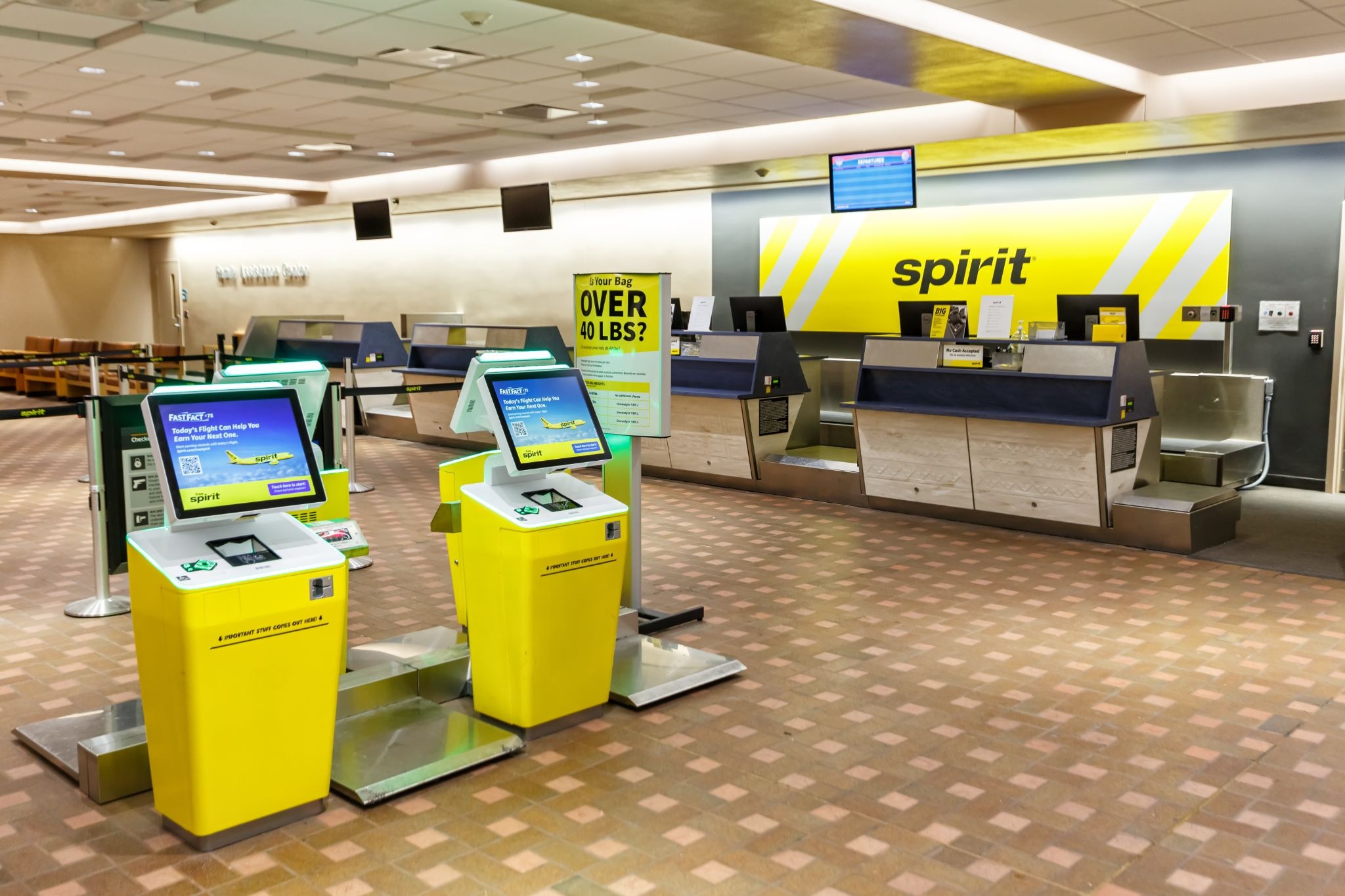
Exiting a bankruptcy case is a difficult task for an organization to complete. However, completing that task two times in less than a year amid doubts raised by a federal trustee concerning the quality of a plan is different from what Spirit Airlines is now facing.
Spirit Airlines is hoping to conclude its second Chapter 11 process in early June 2026, although the US Bankruptcy Trustee is trying to derail the process by questioning whether the reorganization plan submitted by Spirit is worth approving. Liquidation, according to the US Bankruptcy Trustee, is a better course of action for Spirit than implementing a reorganization plan.
Why Is the US Bankruptcy Trustee Opposing Spirit's Reorganization Plan?
Let me say that, despite some people's assumptions, the US Bankruptcy Trustee hasn't requested the judge to disapprove Spirit's reorganization plan. Instead, the objection is related to the fact that Spirit Airlines hasn't provided adequate information to the federal authority concerning the proposed plan.
The US Bankruptcy Trustee is blocking the disclosure statement that Spirit is supposed to submit before seeking support for the reorganization plan. In other words, the Trustee is opposing Spirit's disclosure statement because it does not have sufficient information.
According to the disclosure statement that Spirit plans to submit, the following pieces of information should be provided before the reorganization plan is considered:
- Explanation of what happened last time. As the reader can see, Spirit Airlines exited the bankruptcy case on March 12, 2025, and entered it again within half a year. In such a way, the federal trustee thinks that the creditors should be informed about the previous bankruptcy process to make the right decision next time.
- Alternative approaches that Spirit considered but rejected. It is important to note that Spirit Airlines' plan foresees the elimination of shareholders and unsecured creditors of the company. At the same time, all new shares will be received by the roll-up DIP lenders that financed the bankruptcy process.
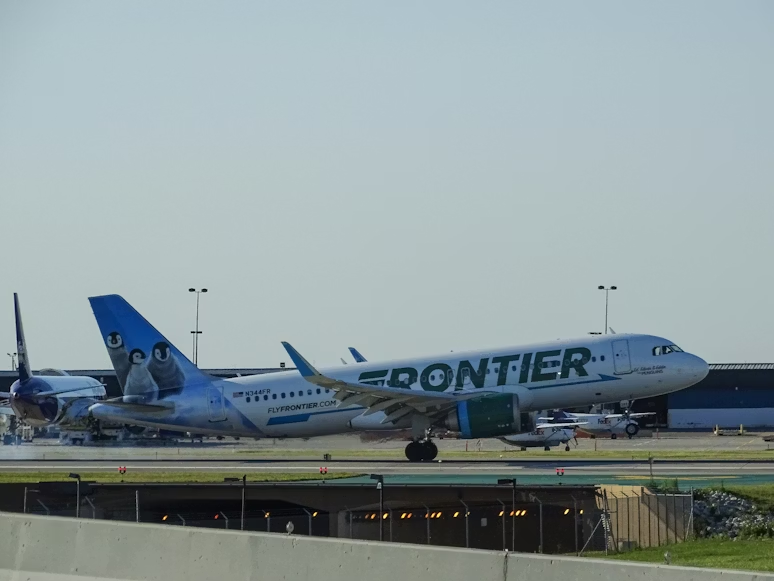
For example, the US Bankruptcy Trustee would like to know whether the airline considered the idea of merging with Frontier Airlines. Apparently, such a plan could provide additional benefits. Comparison with liquidation. According to the US Bankruptcy Trustee, if Spirit exits the bankruptcy and implements the new plan, then there are grounds to assume that the company's unsecured creditors will receive nothing. Therefore, Spirit needs to demonstrate that the reorganization process will yield better results compared with liquidation.
The Problem Is That Spirit's Financial Performance Is Worsening
Regardless of the fact that the main problem is connected with disclosure statements, Spirit Airlines is likely to face serious financial problems that will be discussed below.
According to JP Morgan's analysis, if jet fuel prices stay at the level of $4.60 per gallon until the end of the year, then the airline's operating margin will go down from -7% (the current rate) to -20%. Such a decline will mean that the cost of fuel will increase by $360 million, which is significantly higher than Spirit's cash reserves ($337 million).
As a result, the situation will become critical for Spirit. To be more precise, the company has very limited options for earning money; in particular, the airline can sell planes and airport gates. However, it is not enough to overcome the current difficulties. Instead, the airline needs to continue the reorganization process.
Reorganization Proposal That Spirit Is Planning to Implement
According to the plan of Spirit, the company will reduce the size of its operation by selling aircraft and closing airports. After the plan's implementation, Spirit will operate no more than 76 to 80 planes. At the same time, the newly issued shares will be distributed among DIP lenders with dilution. General unsecured creditors won't receive anything. Spirit's shareholders will lose everything.
In simple terms, Spirit is counting on the "right-sizing thesis." According to the approach, a company can save money and earn profits in a few years after downsizing its activities to decrease operational costs and improve productivity. Unfortunately, however, Spirit faces several problems that prevent it from succeeding: in particular, its ultra-low cost business model has been losing relevance recently due to competitors. Moreover, there is a constant problem with high jet fuel prices.
The Frontier Airlines Issue Is Important Here
The most interesting part of the disclosure statement prepared by the US Bankruptcy Trustee is related to Frontier Airlines. Namely, according to reports, Spirit Airlines had an option to merge with Frontier. At that time, such a merger would create the largest ultra-low cost carrier in the US market since Spirit and Frontier Airlines had agreed to join forces in the past. At that time, Spirit Airlines decided to merge with JetBlue instead of Frontier Airlines. However, the agreement fell apart later.
What Will Happen Now? Spirit Airlines plans to implement a new bankruptcy plan by May 27, 2026. The airline will leave Chapter 11 and continue functioning until August 2026. However, the US Bankruptcy Trustee will delay the process since Spirit's plan doesn't contain enough information.
It is expected that Spirit Airlines will submit a new disclosure statement that will provide information needed by the federal agency. As a result, the process will be prolonged; still, there is a possibility that creditors will change their minds and support the plan since its implementation will require the current fuel prices to go down dramatically.
Final Thought
The current dispute between Spirit Airlines and the US Bankruptcy Trustee is rather technical in nature; however, it reflects some deeper problems of the company. Namely, there is an assumption that the reorganization plan implemented by Spirit may lead to additional losses. To be more precise, according to the plan, Spirit Airlines will reduce the number of aircrafts and close airports, hoping that such actions will help the airline recover in the future. However, the approach proved ineffective in the airline's practice. Therefore, there is a probability that the plan will fail.
DISCOVER THE RIGHT CARD FOR YOU.
Explore our card recommendations and find a credit card that suits your personal needs.
Browse card categories
%20(1).jpg)
.svg)