.svg)

The Airbus A350 Era of EgyptAir: What the Future Widebody Means to the Airline
.jpg)
%20(1).svg)
With the Airbus A350-900, EgyptAir is passing a new stage in the long-haul strategy. The delivery is a milestone to the Cairo-based carrier since it is striving to modernize its fleet, enhance fuel efficiency, and be better positioned to compete in the international routes.
Even though there have been new types of aircrafts introduced in EgyptAir previously, the A350 is a new level of technological and operational development. A350 which is known by range, passenger comfort and low fuel consumption is the most ability jet since it is believed to be a long-haul jet which performs better in today flights.
As 16 of these airplanes will be added to the fleet in the next few years, the question that arises is how EgyptAir is going to utilize them, what will passengers have to look forward to in the new models, and how these will fit into the somewhat complicated fleet strategy of the company.
A Flagship Introduction of an Egyptian Airline
EgyptAir initially ordered the Airbus A350-900 at one of the biggest international shows in late 2023. The airline by then had a strong order of 10 aircrafts. One or two years later it increased the size of the ordering, to 16 jets, indicating increased confidence in long-haul demand and fleet renewal strategies.
And the first airplane has officially arrived now. The jet was delivered in Toulouse, France, and then it travelled to Cairo. This delivery will introduce a slow induction as opposed to a fast fleet change.
The chronology now extends to almost ten years:
- A number of aircraft will come in the near future.
- Additional deliveries are spread out throughout the first half of the 2030s.
- End game planes are anticipated in the year 2033.
This gradual implementation indicates that EgyptAir is weighing between modernization, financial and operational realities.
Why the Airbus A350 Matters
There is a reason why Airbus A350 is very popular among airlines. It was created to substitute the older widebodies such as Boeing 777 and Airbus A340 models, and burns much less fuel, has a higher range, lowers emissions, has less noisy cabins, and more comfortable seating, which makes it a highly efficient and passenger-friendly model of long-distance travel.
The Airbus targets a saving of approximately 25 percent in fuel consumption as compared to the older generation jets. In the case of airlines that are under pressure due to the cost of fuel and are under environmental pressure, this efficiency would lead to significant savings.
These performance gains are particularly worthwhile to the EgyptAir company, which has numerous long-haul flights to Europe, Asia, Africa, and North America.
Cabin Construction: What We Know To Date
The A350-900s of EgyptAir have approximately 340 seats in two classes:
- Business class
- Economy class
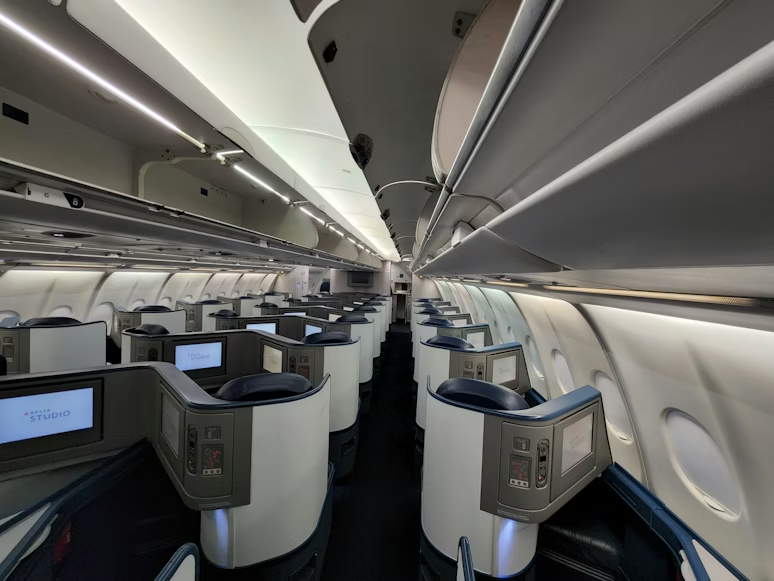
The business class cabin will have direct aisle access to each customer that has become the international standard of high-end travel. Nevertheless, the cabin photos and complete specifications have not been popularly disseminated.
Since EgyptAir has already fitted some of its Boeing 787 planes with reverse herringbone seat layouts, industry observers believe the same could be showcased in the A350. Nevertheless, EgyptAir is not associated with a great deal of uniformity between aircraft types, hence a new product or amendment can also appear.
These aspects are common to the A350 platform and make long-haul comfort better.
An even Greater Modernization Driving Force
The renewal of the fleet has been declared as one of the priorities of the EgyptAir leadership, and the A350 corresponds to these requirements perfectly well. The aircraft will aid in enhancing the passenger experience, expansion of the support network, augment operational efficiency and place the airline on the path to more sustainable flight.
The contemporary aircraft assists the airlines to cut back on costs of maintenance and achieve environmental targets in addition to providing improved onboard product.
These improvements are also branded in the case of a national carrier as the representative of a big touristic destination such as Egypt.
Will the A350 Substitute the older airplanes?
Among the questions is the fact that the A350s are to be used in growth or replacement.
Replacing the A330?
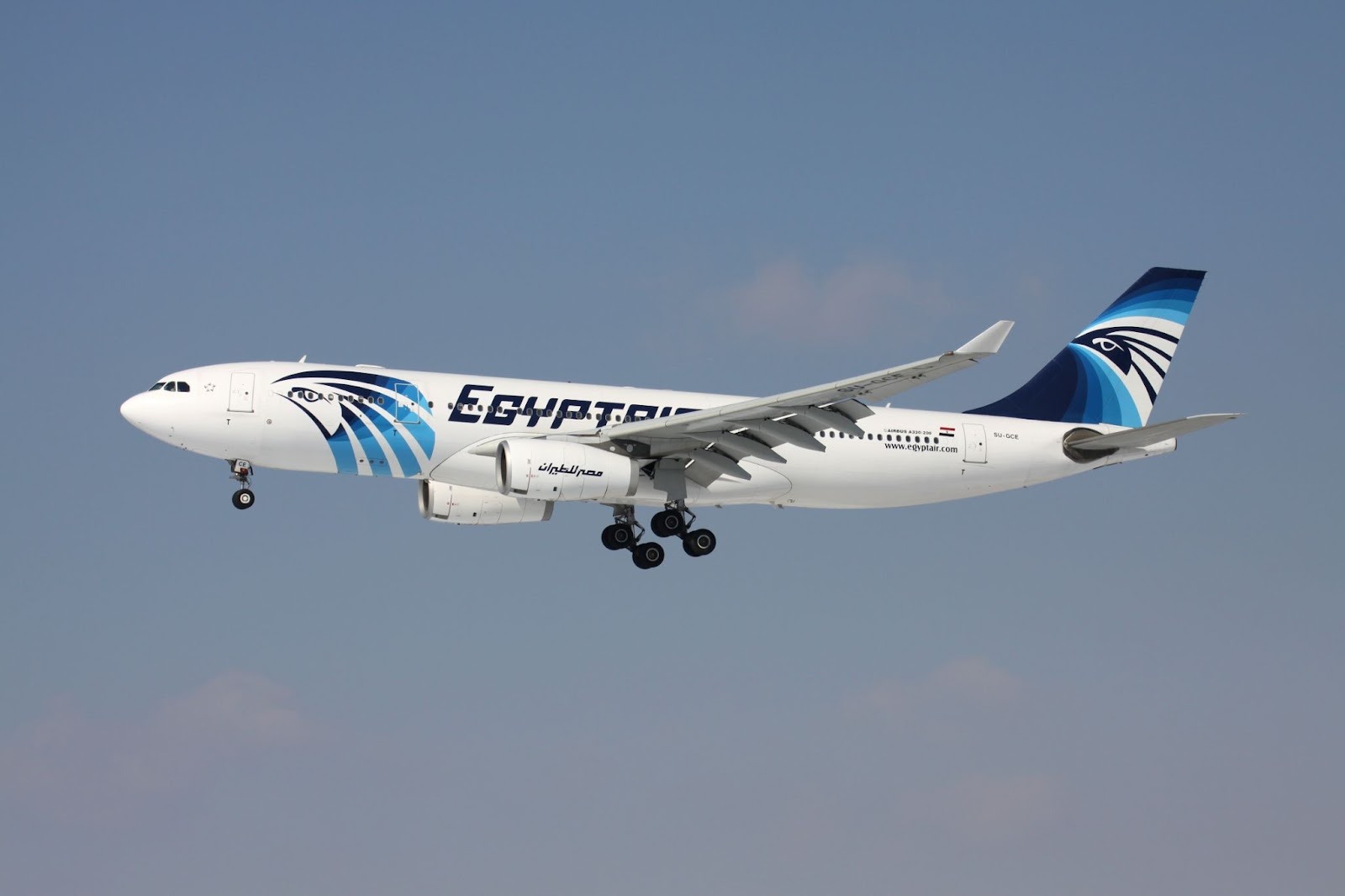
EgyptAir Airbus A330s are some of the oldest jet in EgyptAir fleet. Others are close to 20 years into service. These airplanes are rational retirement vehicles, as far as fleet planning is concerned.
The A350 is however bigger and more competent than the A330 and replacing them would also lead to increase in capacity.
Replacing the 777?
The Boeing 777-300ERs might also be applicants. They are not very aged according to industry standards, but the A350 is able to perform similar missions with a less fuel consumption.
The truth can lie in both substitution as well as growth. Due to the rise in demand, some A350s might be used to introduce new routes and others out of older jets.
A History of Change of Direction
The decision of fleet at Egypt Air has been not that linear. For example:
- A320neo family is an investment that the airline made in the past.
- It has adopted Boeing 787 on long-haul renewal.
- It would later place orders of 737 MAX and A350.
- It had even briefly run Airbus A220s and discontinued them.
Such a pattern is flexible as well as unpredictable. It implies that EgyptAir is operating according to the market conditions, financing options, and manufacturer transactions instead of adhering to a predetermined fleet strategy.
Competitive Landscape
The A350 is already in service with many airlines in the world, and the big Middle Eastern, European, and Asian airlines are not an exception. These airlines frequently operate the jet in flagship routes that have premium heavy cabins.
To remain competitive, particularly in the routes between Europe, Asia, and Africa, modern planes are required at EgyptAir.
The geographical position of Cairo provides the Egyptian airline with a natural hub, a connecting point between several continents. Smooth long-range jets such as A350 can contribute to full utilization of that benefit.
Sustainability and Future Pressure
Environmental concerns are increasingly shaping airline decisions. Governments, regulators, and passengers are paying more attention to emissions.
The A350’s efficiency helps reduce carbon output per passenger compared to older aircraft. While this does not eliminate aviation’s environmental impact, it moves airlines in a more sustainable direction.
For a state-owned carrier, aligning with global sustainability trends also carries political and reputational importance.
Final Thoughts:
EgyptAir’s entry into the Airbus A350 club is an important milestone, but it is not a rapid transformation. With deliveries spread out over many years, change will be gradual.
Still, the A350 gives EgyptAir a modern platform for long-haul growth, efficiency gains, and improved passenger comfort. The real impact, however, will depend on how the airline configures the cabins, which routes the aircraft operate, whether older jets are retired, and how consistently the onboard product is delivered.
For aviation observers, EgyptAir’s A350 rollout will be interesting to watch. For passengers, it offers the promise of a more comfortable journey on future long-haul flights.
Whether EgyptAir fully leverages the aircraft’s potential remains to be seen, but the foundation for modernization is clearly in place.
DISCOVER THE RIGHT CARD FOR YOU.
Explore our card recommendations and find a credit card that suits your personal needs.
Browse card categories
%20(1).jpg)
.svg)