.svg)

The End of Open Seating Southwest Airlines Reinvents its Boarding Experiences
.jpg)
%20(1).svg)
Throughout the last 50 years, Southwest Airlines was the only airline of its kind among the large airlines in the U.S. that had a singular characteristic: open seating. No assigned seats. No printed letters or lines on boarding passes. Only a boarding number, a minor plan and the liberty to sit wherever you wanted.
That was the period which is officially over
Since 2026, Southwest Airlines has been phasing out its famous open seating policy and converting it to assigned seating and a boarding system. The shift is one of the most important changes that happened in the history of the airline and indicates a radical change in the way Southwest would position itself in a highly competitive market.
A Goodbye to One of theMost Famous Aviation Traditions
The open seating model of Southwest was not just a strategy of boarding, but it was a symbol of culture. Check-in passengers were those who were 24 hours before takeoff, and desperately checked the app to get a good boarding spot. Travelers were organized in A, B or C groups at the gate and defended their position. When we were on board, the search for the right seat started.
This was anarchic at the moment, yet it was also effective and strangely egalitarian. Southwest frequently crowed about the open seating which it said had faster turnaround than boarding. To the loyal flyers, the system became their second nature, which they learned to play. And now, more than 50 years later, that old procedure has been officially put to rest.
Seat Reservation Comes to Southwest
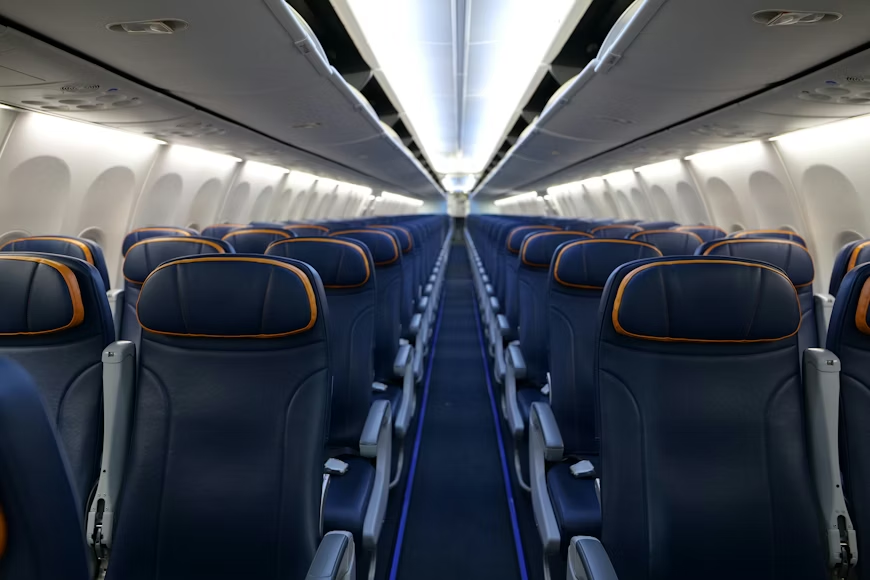
Southwest Airlines has been assigned seats beforehand under the new model and this has placed the airline squarely within the ranks of the legacy carriers of the American Airlines, Delta Air Lines and United Airlines. Boardings will include a seat assignment and a boarding group on the boarding pass and digital screens instead of the previous numbered stanchions will be in the gate areas.
Passengers will not be in a hurry to check in 24 hours before the departure with the sole intention of getting a better seat. Rather, booking/reserving a seat is done during booking or nearer to the departure time depending on the type of fare and the loyalty status.This is a change of philosophy considering that in times past, this airline boasted of being different by all means.
The Reason Southwest Said goodbye to Open Seating
Although open seating was a favorite among the frequent flyers, it had become a bane to the airline. In-house analysis performed by Southwest showed that a good portion of its travelers did not patronize the company due to their seating procedure. Some customers just had the preference of where they wanted to sit beforehand.
Other than the preference of the passengers, economics was a significant factor. Assigned seating opens up new revenue possibilities that the open seating can not sustain. Premium seating can now be sold by Southwest such as the extra legroom seats and the favorite seats proximity to the front of the aircraft.
These products are in line with the trends in the industry, with airlines becoming more dependent on seat-based upsells to improve their profitability. The change also will enable Southwest to add more distinctly diversified fare packages, each of which are linked to boarding and seating rights.
The functionality of the New Boarding System
The old A, B and C boarding groups are eliminated. They have been replaced by a numbered boarding order that will be quite familiar to the passengers who are frequent flyers in other major airlines.
The new system is designed as follows:
- The old letter-based system has been replaced by the group numbering system 1-8.
- The seat positioning is a group assignment based on the seat position, fare type, loyalty status, and credit card benefits.
- Customers who have been assigned additional legroom seats or the highest level of loyalty are boarded earlier.
- The passengers on low or economy fares get on board later in the queue.
- Families that come in groups of up to nine are placed in the same boarding group.
- The use of digital signage and not physical lineup markers is now being used in the gate areas.
This system eliminates the unofficial gate-line ballet that used to characterize Southwest boarding. Although the airline claims that the new process would be more efficient, the true advantage of the new process would be predictability, both to the passengers and to the operations.
What Becomes of the Legacy Perks of Southwest?
A number of old Southwest characteristics are being eliminated with the adoption of assigned seating. Such programs as EarlyBird Check-In and Upgraded Boarding that only served to assist passengers in guaranteeing better boarding spots are not needed anymore.
Instead, Southwest will still have Priority Boarding, but it will operate in the assigned seating system instead of being an open seating workaround. The seat upgrades, fare packages, and loyalty programs have now had a direct impact on the seat assignment and the boarding order. Instead of competing during check-in, passengers are competing during purchase.
The overall impact of this on the passenger experience is as follows
This change will be a relief to a lot of travellers. Assigned teaching seats eliminate doubt, no need of boarding-day strategy. Individuals, recreational travelers and the less frequent flyers should enjoy the fact that they know where they will be seated well before they reach the airport. To long-time Southwest faithful, though, the change might have been the loss of a common ritual.
Open seating created a feeling of equality- anyone could access the same seat given that he/she played the game well. That culture was flawed and yet distinctly Southwest. There is a new system that brings about explicit hierarchy. The quality of seats is currently becoming more directly associated with the amount of money paid by a customer or their loyalty to the carrier.
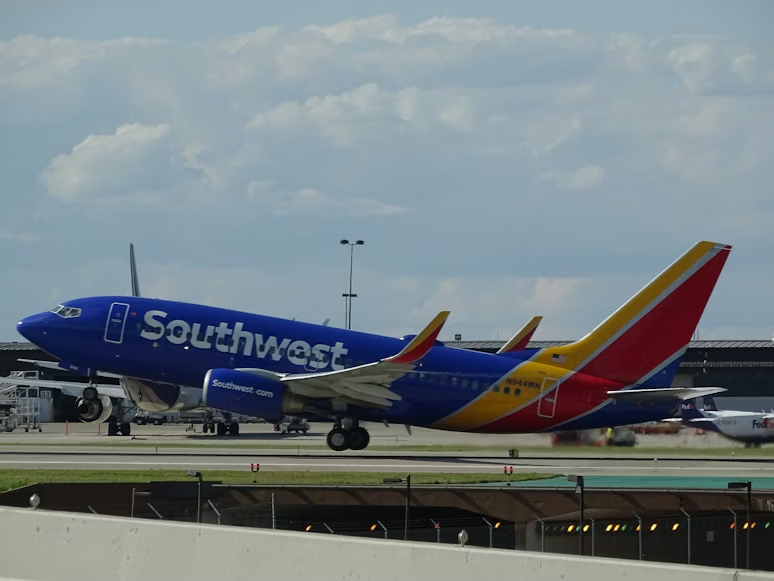
Board Reality and Operational Efficiency
Southwest always contended that open seating was quicker than assigned seating and the data over the years supported this argument. Nevertheless, the airline now feels that it can compensate for any loss in terms of efficiency with the help of modern technology and distinct boarding segmentation.
Onboard seat searching, seat booking, and digital signage could simplify the process, especially in the full flights. The airlines should also have fewer airfield conflicts and less misunderstanding at the boarding.
Another side effect that can be distinguished is a decrease in early boarding accommodation abuse. As the seat position will no longer be tied to the order of boarding only, there will be less incentive to cheat on the system and, hopefully, all passengers will have an easy time.
Final Thoughts
The retirement of open seating closes the chapter on one of the most distinctive features in U.S. aviation history. For decades, Southwest’s boarding process was quirky, efficient, frustrating, and beloved all at once.
Some travelers will celebrate the clarity and predictability of assigned seats. Others will miss the strategy, spontaneity, and egalitarian spirit that defined Southwest flying for generations.
Regardless of where passengers land emotionally, this shift represents a turning point. Southwest Airlines is no longer just the airline that does things differently it is now an airline adapting to modern expectations, competitive pressures, and changing traveler preferences.
DISCOVER THE RIGHT CARD FOR YOU.
Explore our card recommendations and find a credit card that suits your personal needs.
Browse card categories
%20(1).jpg)
.svg)