.svg)

The Southwest Airlines resurfaced the growth in the fourth quarter and devalued Rapid Rewards
.jpg)
%20(1).svg)
The recent news involving Southwest Airlines that caused a buzz around the company was that it deflated its Rapid Rewards points even as it added charges to checked baggage and seat assignment. On the face of it, these changes may seem to be just a squeeze on customers. But upon further scrutiny what is happening is heavily connected with accounting strategies and a new Chase co-branded credit card arrangement and not specifically operational changes.
By redistributing the funds that Chase alliances provide in the short term to benefits such as checked baggage and seat assignments to the present, Southwest can realize the revenue earlier on its balance sheet. Albeit this will improve the financial performance of the airline in the short run, it is at the expense of devaluing Rapid Rewards points among travelers.
Quick Rewards Devaluation Also attached to new fees
When Southwest implemented its new product architecture, which involved the charging of checked luggage, fee of seat selection, and the lapsing of traveling credits, Rapid Rewards points were also diminished. Every point used now will be less valuable in terms of the price of a ticket, virtually undermining the loyalty program to frequent fliers.
More importantly, the move to lower the value of the points is not solely aimed at milking the passengers out. The money which could have been used to finance future travel bills by use of points is currently utilized to offer short term gains to card holders. This change in accounting enables Southwest to record revenue sooner, although, it reduces the buying ability of every point.
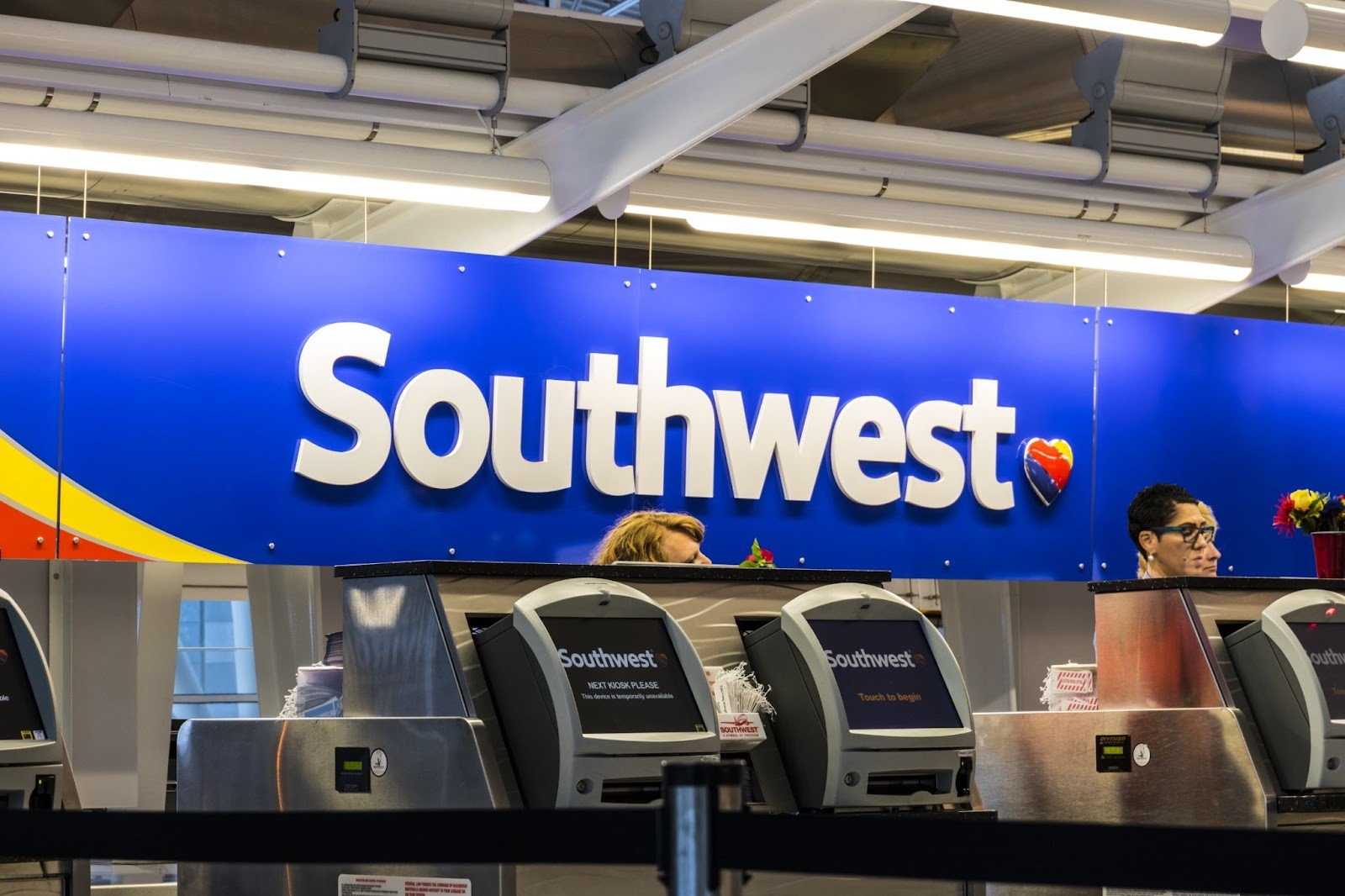
The Chase Co-Branded Credit Card Relationship
Southwest has just renewed its co-branding credit card deals with Chase, and they are part of the accounting restructuring. The benefits such as free checked bags and seat selection that were initially viewed as the entire experience of the loyalty program are now offered in the credit cards.
This reorganisation enables the airline to shift the money held in the deferred liabilities, which is used to redeem the points in the future to the current benefits. This would translate in practice to revenue that was previously held in abeyance as such recognizing it on the financial statements of Southwest immediately would enhance reported operating income, particularly in the fourth quarter.
The impact on passengers is great. To gain the full benefits of the previously added features to the fare, the cardholders now have to use the Southwest co-branded Chase card, which also solidifies the relationship between the loyalty benefits and the usage of the credit card.
Q4 Growth is More Promising, But There is a Reason
Although there is a decrease in total annual profitability, the operating income of Southwest in the fourth quarter grew significantly as compared to the past one year. The airline credits a part of this growth to what is practically an accounting gimmick instead of the growth in its operations.
The Chief Operating Officer Andrew Watterson added that now the airline is better differentiated in terms of its products, which have enabled it to recognize a rate earlier depending on the status and cardholder benefits. As Watterson states, this change will allow the airline to record a higher revenue in the current quarter that will provide a better impression of growth.
The Impact of Accounting Changes on Rapid Rewards
The accounting conversion has the direct impacts on the value of Rapid Rewards points. The airline derives the purchasing power of the points, which amounts to providing additional Chase funds towards instant gratification rather than point accumulation. This will translate to the fact that rewards are no longer as generous, whereas the financial statements used by the airline indicate increased revenue.
This method can be regarded as futuristic borrowing in order to maximize the current performance. Checked bag and seat fees do not simply represent a source of revenue they are also mechanisms of changing the way financial performance is reported. Exchanging the points with a low value makes the use of a credit card a little less appealing, yet it helps the Southwest to look more financially healthy in its quarterly reports.
Such a change in the allocation of revenues was recognized by Watterson when questioned on the growth in RASM (Revenue per Available Seat Mile). The fact that the fact that that portion of the apparent Q4 improvement is due to accounting adjustments instead of raw operational performance is emphasized by the fact that the amount is opaque.
The Broader Implications
Although the practice of Southwest may be considered to be unique, it reflects those of the other airlines in balancing the co-branded credit card revenue against both immediate benefit and travel liability.The airline may therefore maximize short-term benefits at the cost of the long-term value of the loyalty programs as the airline is able to inflate the reported income with the short-term benefits.
This contains a number of practical implications on the part of the traveler. To begin with, Rapid Rewards points are not as effective to redeem tickets when you are booking flights, and therefore it has become more expensive to redeem the points into the ticket. Second, the ownership of credit cards has become a more significant factor in gaining such benefits as free checked bags and seat selection. Lastly, although the airline boasts of its increased product differentiation, the cause of these alterations is mainly financial engineering as opposed to better service.
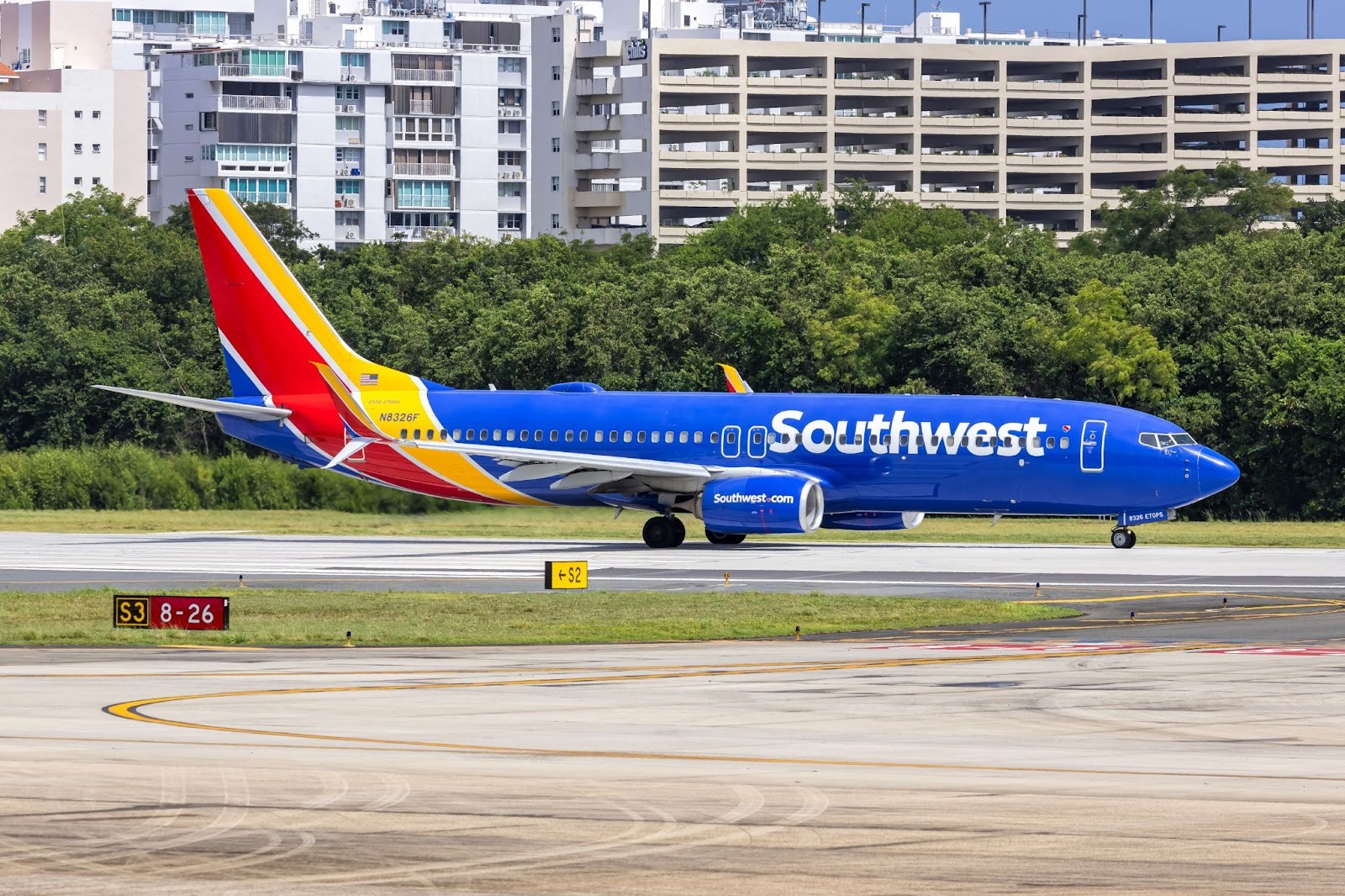
What Travelers and Investors need to kwwnow
Travel-wise, the changes made by Southwest imply that the participants of the loyalty program will need to change their expectations. Fares now have points that are covering less and certain benefits that used to be offered in fares are now credit card requirements. Travelers who consider themselves the most value-conscious will have to pay special attention to the strategic application of the Southwest co-branded card, particularly to such benefits as free seat selection and baggage.
To the investors, the fourth-quarter performance shows how recognition plans can affect the reported growth. Accounting changes, as opposed to operational benefits, can have a substantial effect on reported measures and this is an issue that needs care when analyzing the financial status of the airline.
In a sense, the Q4 performance might seem like an impressive one, but it is also the result of financial maneuvering in part. Stakeholders should understand that recognition of short term revenues does not imply sustainable growth in the long run.
Conclusion
Southwest Airlines’ recent Rapid Rewards devaluation and new fee structure are closely tied to accounting and partnership changes rather than purely customer-facing initiatives. By reallocating Chase partnership revenue toward immediate perks like checked bags and seat selection, the airline can recognize more revenue upfront, giving the appearance of Q4 growth while reducing the value of loyalty points.
Travelers now face diminished rewards value, and ownership of the Southwest co-branded Chase card is increasingly essential to access benefits once included in fares. For investors, the situation underscores the importance of understanding how accounting practices can affect reported results, as growth may sometimes be more about financial engineering than operational performance.
DISCOVER THE RIGHT CARD FOR YOU.
Explore our card recommendations and find a credit card that suits your personal needs.
Browse card categories
%20(1).jpg)
.svg)