.svg)

The Widebody Strategy of Delta is perhaps Not Over
.jpg)
%20(1).svg)
Recently, Delta Air Lines was also in the news claiming a massive order of Boeing largest version of the Dreamliner, which is the 787-10. The contract includes 60 aircrafts, and delivery of the firm will start in 2031. The acquisition is a significant success to Boeing, particularly because the long-haul fleet strategy of Delta over the last 10 years has been skewed towards Airbus.
But even with the size of such an announcement, there is industry talk that Delta may continue to have plans to develop its widebody plans. There are new indications that the airline is privately considering another aircraft order, which could transform the way its long-haul fleet expands and replenishes over the next 10 years.
This is a discussion worth considering even though nothing has been announced officially, but as the rumors surrounding it have become more and more specific, it becomes a serious concern. Delta has never been short term in its fleet planning and the current board pieces are indicating that there could be a strategic gap that the airline will be about to fill.
Reasons Why Delta May continue shopping for more wide body aircrafts
The most recent speculation made ground when aviation industry insider JonNYC suggested Delta might be looking at another widebody order, despite having signed a deal with 787-10. Although the first remarks were not specific, the later remarks limited the options and made the situation more interesting.
Based on those indications, Delta seems to be concentrating on an airplane series based on -900, which narrows down the number of possible candidates to two: the Airbus A330-900neo or the Airbus A350-900. The reported order size, which is about 40 airplanes, indicates that it is much more than a token top-up.
The timing is particularly interesting when it comes to this speculation. The existing Delta delivery plan brings about a distinct downturn in the delivery of new widebodies between the end of 2020s and the beginning of 2030s. Such a gap is distinctive in an industry in which long haul planes can take years to order, certify, and deliver.
The Delivery Gap That Raises Concerns
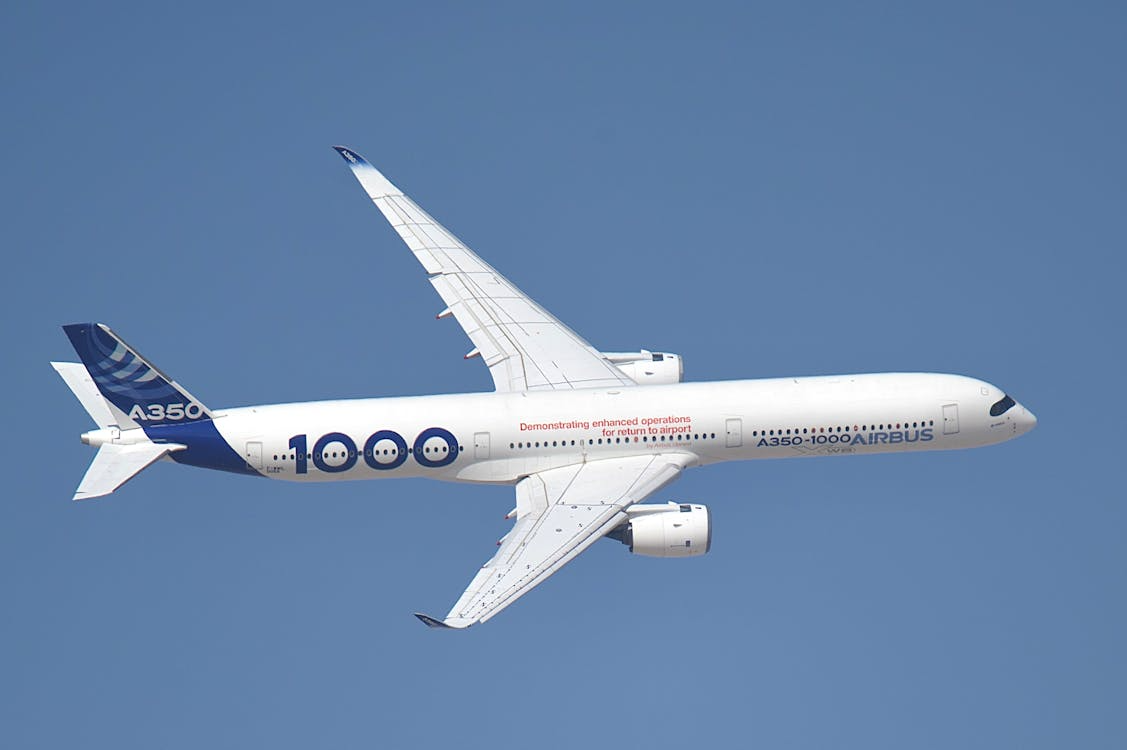
Delta will start receiving Airbus A350-1000 aircrafts approximately at the year 2027 or 2028, though the manufacturing slowdowns affecting the industry as a whole could easily roll some of the deliveries into 2029. The initial 787-10s of the recent order of Delta are set not to be received by Boeing until 2031.
The latter would give Delta a multi-year period without much to no widebody fleet development or renewal. In the case of an airline that takes pride in its ability to flex its operations and capacity planning, that downturn can be longer than is optimal.
An overview of the Next-Generation Delta Widebody Fleet
To explain the rationale of another order, it would be beneficial to peep at what Delta already has in place. Modern wide body fleet plan of the airline involves the following undertakings.
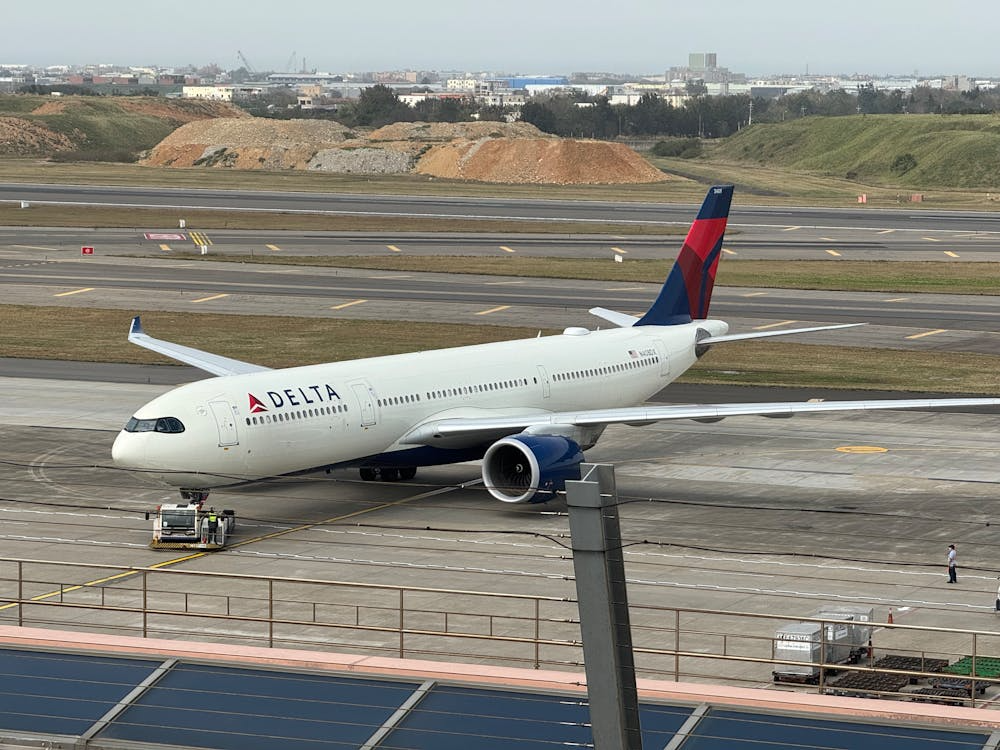
The airline operates 39 A330-900neos and 40 A350-900s (plus 4 on order), has ordered 20 A350-1000s with options for 20 more from 2027, and has 30 Boeing 787-10s on order for 2031 with an option for 30 additional planes.
It is important to note that the rumored new order is supposedly independent of these available choices, which means that Delta is not going to be changing placeholders that it already has. That difference implies that the airline might be reacting to a novel strategic requirement instead of implementing an expansion that was planned a long time ago.
The Older Aircraft Which Still Require Replacements
Delta is also famous to run aircrafts that are longer than many of its competitors and to derive amazing value out of older aircrafts. Nevertheless, all fleets have a limited lifespan, and legacy widebody jets of Delta are getting old gradually.
The older long distance fleet of the airline consists of:
- Eleven Airbus A330-200 planes with the average age of approximately 21 years.
- Average age- 31 Airbus A330-300 airplanes of approximately 17 years.
- The average age of the 38 Boeing 767-300ER is almost 29 years.
- 21 planes that are 25-year-old Boeing 767-400ERs on average.
All of the Boeing 767s of Delta will have to be retired eventually. Cabin renewal and service programs may extend the service life, but fuel economy, emissions standards and reliability all lead airlines to newer designs as time goes on.
The reason why the A350-1000 is not a simple replacement aircraft
The reason being one of the nuances in the fleet strategy of Delta is the position designated to the Airbus A350-1000. These airplanes are not just substituting the older jets, but they are mostly meant to expand to ultra-long-haul.
Places in Asia, India and the Middle East demand range and capacity and this is precisely what the A350-1000 is designed to carry out. When such aircraft are considered more as growth rather than as one-for-one replacements, the arithmetic of fleet renewal begins to become a little stricter.
Could the A350-900 Still Be in Play?
That being said, the airbus A350-900 can not be completely excluded. The type is already in successful operation by Delta and the plane has greater capacity and range than A330-900neo. Theoretically, it might fund replacement and growth missions.
The greatest difficulty is time. A350 slots are extremely busy and acquiring dozens of aircrafts within a particular delivery period would probably need special concessions on the part of Airbus. The significance of Delta as a client can provide some assistance still, yet even at that point, the A350-900 might be a larger number of aircraft than the company is required to serve the nearest network growth.
What This Means for Boeing
It is intriguing that all this speculation does not take away the significance of the recent order of Boeing 787-10 at Delta.The aircraft will be very important in the long term plan of the airline, especially as a replacement of the old 767s, which are used in routes with many passengers.
Nevertheless, the schedule of such shipments still provides Airbus with the opportunity to be still very entrenched in the widebody future of Delta. In the event another Airbus order is achieved, it would strengthen the Delta as one of the most balanced and sensible fleet planners in the industry.
Final Thoughts
The fact that Delta was convinced to buy the Boeing 787-10 was a significant milestone, yet it might not be the last one in the history of widebodies in the airline. There are industry indications that Delta is considering at least another major aircraft order which could be based on the Airbus A330-900neo or A350-900.
Delta will certainly have options to take more A350-1000s and 787-10s, although the latter is expected to be delivered in the mid-2030s. The question that is more immediate is how the airline ties across the years in between.
DISCOVER THE RIGHT CARD FOR YOU.
Explore our card recommendations and find a credit card that suits your personal needs.
Browse card categories
%20(1).jpg)
.svg)