.svg)

Turbulence on the Ground: Why Carry-On Bag Policies Are Creating Tension at Southwest
.jpg)
%20(1).svg)
The way air travel has evolved in the last ten years is astounding, but this has not changed: passengers still desire to carry as much as they can on board. In a way that airlines are perfecting boarding procedures and cabin configurations to achieve the highest efficiency, the lowly carry-on bag has become the focus of a rising conflict. In recent months, the Southwest airlines have experienced a change in baggage and seating policies, which has become the source of frustration among the same travelers, as well as among the flight attendants of Southwest airlines themselves.
What appears as an insignificant working change has become a more comprehensive discussion of airline planning, the condition of the employees, and the realities of air travel in the present day.
The Greater Story of Being Stressed Carry-On
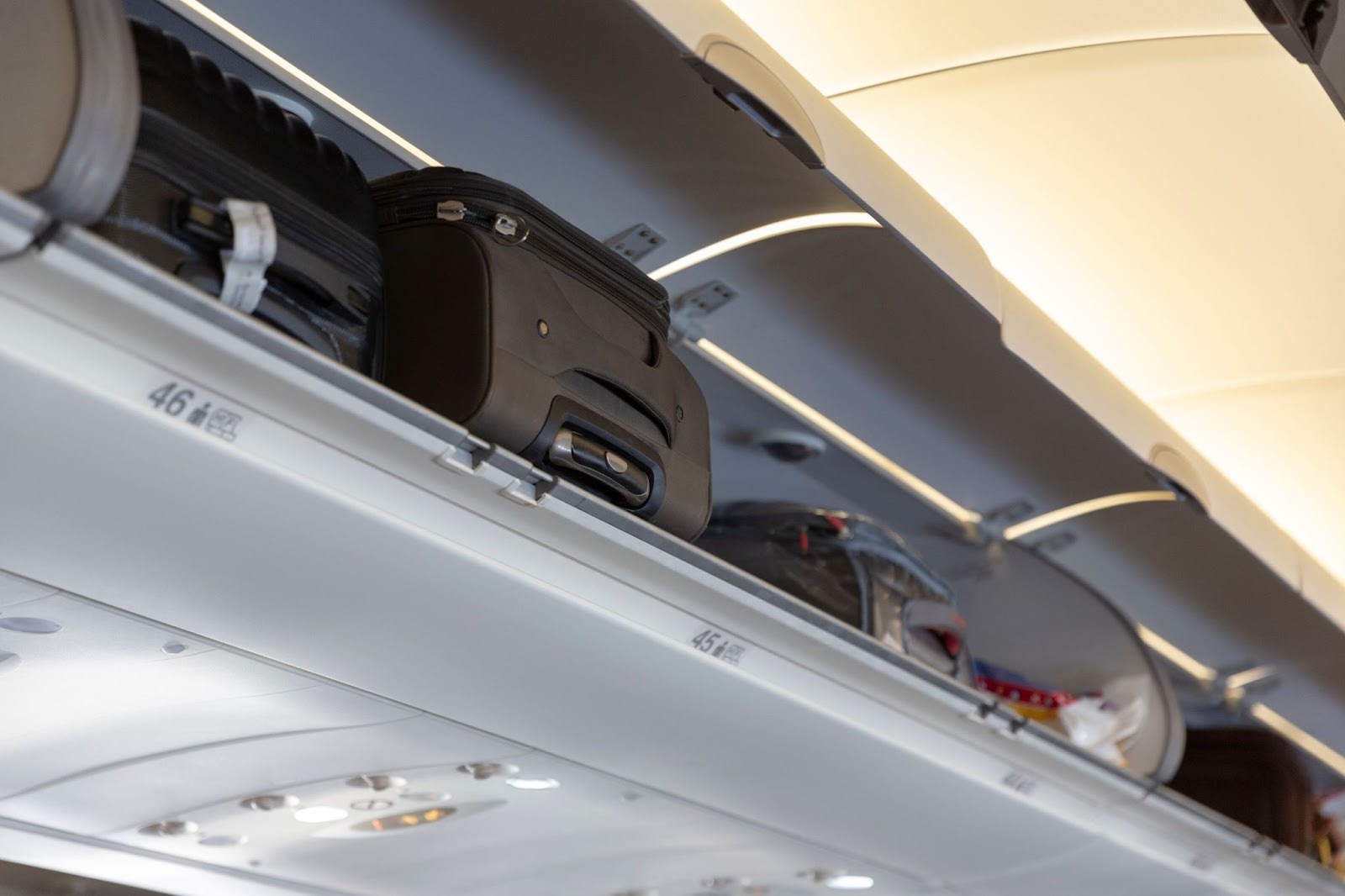
Competition on overhead bins has now become a standard practice in flying. Most passengers attempt to avoid baggage fees, baggage lines and being at risk of losing their luggage. This causes them to stuff more into carry-on bags to the point of straining the cabin storage capacity.
When the airlines rearrange the seat setups or boarding mechanisms, the impact tend to spread to overhead storage. The change in the rate at which bins fill up can be changed by even the slightest increase in early boarding groups or premium seating. Late arrivals in subsequent flights might not get space anywhere in their vicinity, which causes delays, frustrations, and final-minute inspections at the gates.
The recent changes in the operations SW underwent involved assigned seating which is quite peculiar to a traditional open seating model of this company. Although assigned seating is associated with predictability in passengers, it transforms the behavior of boarding. Those with higher payments or elite board first and they also have bigger carry-ons. This puts baggage in the front part of the plane.
The result? Front cabin bins are filled up and tension builds up before the aircraft door is even closed.
The Reason Flight Attendants Should Be Worried
Whereas passenger inconvenience is eminent, crew worries are less apparent however they are equally significant. Flight attendants depend on safe and reliable storage of personal luggage and equipment that they need. Their bags are usually full of uniforms, safety supplies, food to spend long days at work, and other personal necessities when they are on a trip overnight.
Conventionally, most aircrafts have a designated overhead bin that is used by the crew towards the front of the cabin. This enables the flight attendants to leave all their belongings in sight and reach. These bins also have locks on some of the planes to add more security to them.
It is not just a matter of convenience. To the crewmembers, there are expected areas of storage as part of ensuring a smooth and safe operation.
The Policy Change that started controversy
In response to passenger complaints of lack of overhead space in the front rows, Southwest offered to move forward-crew bin to the rear side of the plane. The concept was easy; open up premium bin space to those customers who board early or those who pay higher fares.
This offer was however not welcome by the flight attendants who saw that the change put the responsibility of planning matters on them. On their part, an organizational resolution that will lead to better customer satisfaction may end up making the work of the crew and security more complicated.
Employee representatives stated that these operational changes must be based on the reviews of the workers at an early stage of planning. In situations when adjustments are seen as one-sided, morale may suffer.
A Predictable Problem?
According to industry observers, overhead bin tussles are not anything new. Airlines are struggling with the same problem all over the world, and storage is minimal, particularly in a single-aisle aircraft. Most carriers have already passed the trial-and-error stage in new seating products or fare structure.
According to some aviation professionals, these problems could be anticipated. In cases where assigned seats collide with carry-on-heavy-traffic, it is almost certain that front cabin congestion will occur. It is easily congested with no larger bin capacity or harsher enforcement of the carry-on.
In that regard, Southwest is not undergoing a special crisis but is instead on a typical growing pain which has been experienced by other airlines in the past.
Human Side of Airline Operations
Air transit is not only logistics but people as well. Safety, customer service and operational coordination are areas that flight attendants handle and in most cases under stringent time constraints. The minor workflow disturbances mature throughout a daily flight.
When the crew members believe that their needs are subordinate, it may have an impact on job satisfaction. And frustrated employees can indirectly transmit the frustrations to passengers by responding more slowly or in a strained way.
On the other side, there are genuine worries of the passengers also. They are purchasing tickets, upgrades, and priority boarding hoping that it will be convenient. When space overhead is exhausted, then that is not the case.
One of the current issues of the airline industry is the balancing of these interests.
Southwest has a Learning Moment
A significant change of policy is associated with a learning curve. Mandatory seating is a radical cultural change of an airline that has been characterized by open boarding. There was always a probability of adjustments.
The situation at hand can just be a period of transition. Airlines often optimize processes once implemented and they learn through feedback provided by the staff and customers to enhance processes.
Future refinements may include installing locks on crew bins or changing storage policies or boarding logistics.
What This Means for Travelers
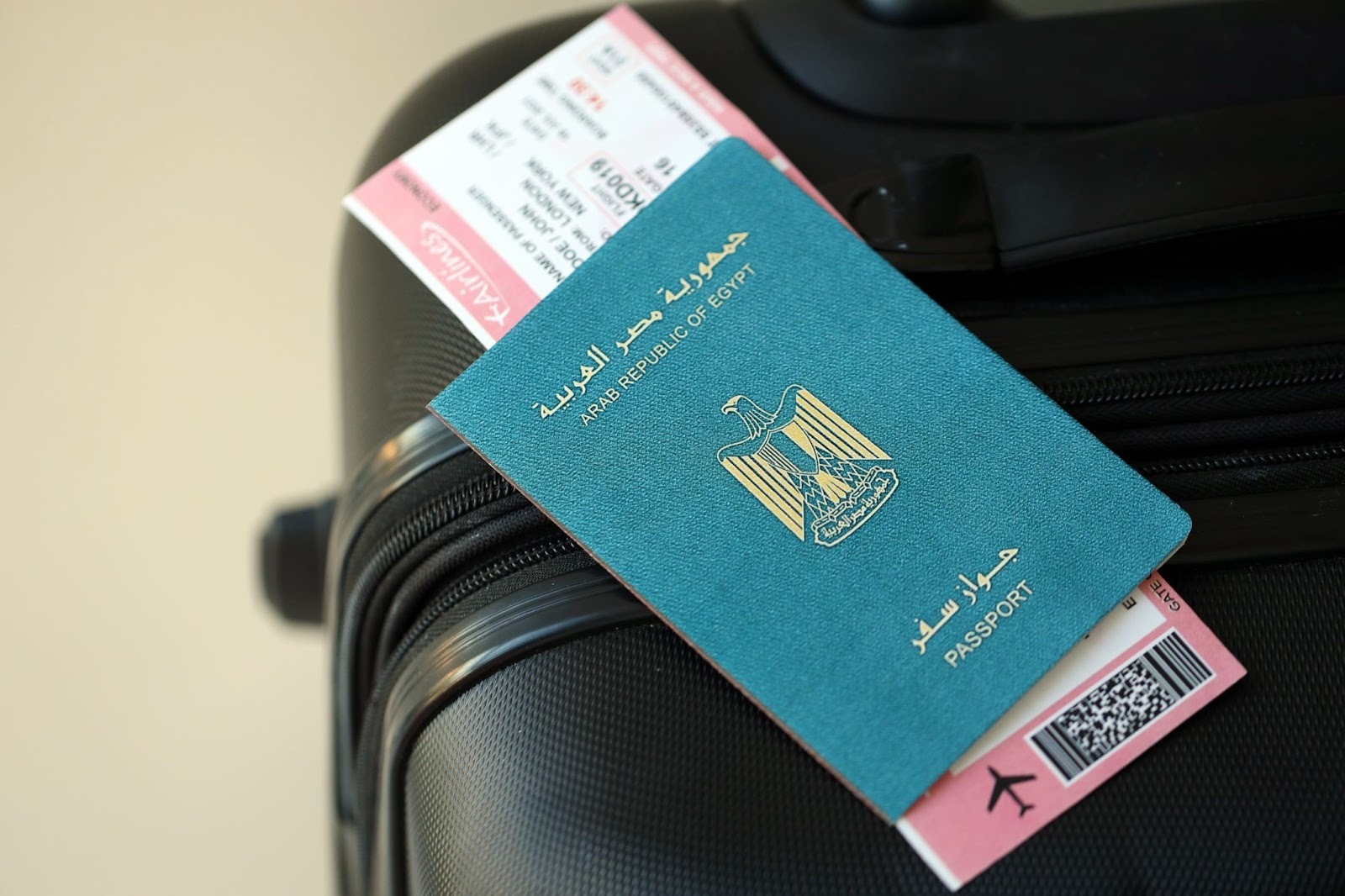
For passengers, the takeaway is practical:
- Board as early as your ticket allows if you rely on overhead space
- Follow carry-on size rules carefully
- Be prepared for occasional gate checks on full flights
- Consider checking bags on longer trips
Flexibility can reduce stress for everyone onboard.
The Future of Carry-On Travel
As planes get fuller and fares get more competitive, the battle for bin space will likely continue. Airlines may invest more in cabin redesigns and smarter boarding technology. Some industry experts even predict dynamic baggage pricing or stricter carry-on limits in the future.
One thing is certain: the way we pack and board matters more than ever. Carry-on luggage has evolved from a convenience into a strategic decision for travelers and airlines alike.
Final Thoughts
The situation highlights how a small change in airline policy can ripple across the entire travel experience. Storage space, boarding order, employee needs, and customer expectations are deeply interconnected.
While disagreements between staff and management are never ideal, they often lead to better long-term solutions when addressed constructively. Airlines that listen carefully to both passengers and employees tend to adapt more successfully.
For now, the overhead bin remains one of the most contested pieces of real estate in the sky. And until aircraft cabins grow larger or traveler habits change, it will likely stay that way.
DISCOVER THE RIGHT CARD FOR YOU.
Explore our card recommendations and find a credit card that suits your personal needs.
Browse card categories
%20(1).jpg)
.svg)