.svg)

United Airlines Will Require Preorders for Fresh Economy Meals, Ending Onboard Purchases
.jpg)
%20(1).svg)
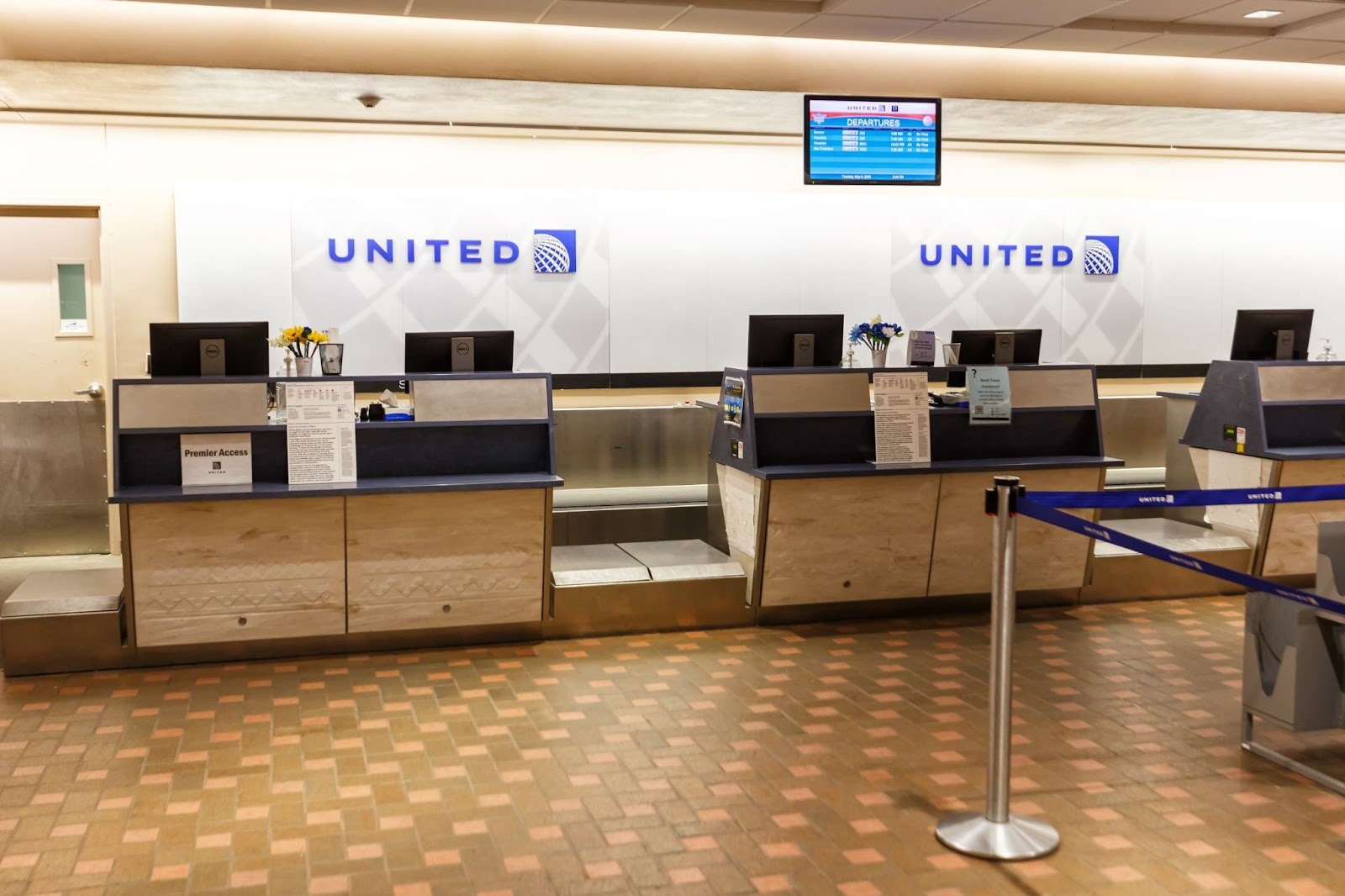
United Airlines is introducing a significant change to its meal service in economy class, and this is definitely a move that will polarize opinion among travelers. On the one hand, this change will mean that planning and predictability are improved for some passengers, but it also means that a degree of flexibility is lost.
Beginning in March of 2026, United will begin requiring customers to preorder all fresh meals in economy, effectively marking the end of the ability to buy these items on board.
United Stops Onboard Sales of Fresh Economy Meals
United has confirmed that passengers traveling in economy class on eligible routes will be required to preorder fresh food items such as burgers, sandwiches, and other hot meals through the United mobile app or united.com.
This policy affects flights over 1,190 miles on routes within:
- The United States
- Canada
- Mexico
- The Caribbean
As of March 1, 2026, pre-ordering will no longer be an option. If you do not pre-order, fresh meals will not be an option on board. However, United will still be selling snack boxes, snacks, and drinks on board.
In short: no preorder, no fresh food.
How the New Preorder System Works
Passengers will be able to place their meal orders beginning five days prior to departure, with a cut-off point 24 hours prior to flight departure. According to United, this will ensure that customers get their preferred meal option while also allowing the airline to more accurately forecast demand and minimize catering waste.
The airline cites its success with its premium cabin pre-ordering program, which launched in 2021. United reports that customer satisfaction with its domestic flights increased by nearly 40% after the system was put in place.
At present, the preorder menu consists of such Bistro on Board favorites as:
- Tacos al Pastor
- Steakhouse Cheese
United has also stated that more options will be introduced later in 2026, including enhanced salads, wraps, gourmet sandwiches, and preorder-only premium drinks.
Why This Is a Positive Move
United’s buy-on-board program is considered to be one of the better economy food options offered by any of the U.S. carriers. In fact, I know many people who feel that United’s economy meals taste better than those served in domestic first class.
From a planning point of view, pre-ordering is a very sensible thing to do. You know exactly what you are going to get, and United knows exactly how much food to put on the plane.
In busy routes, especially hub-to-hub flights, new products often run out. Pre-ordering eliminates the stress of seeing the cart come closer while hoping that your choice dish hasn’t been snatched yet. That’s a real improvement.
Why This Change Will Frustrate Many Travelers
The negative aspect is what is being eliminated: spontaneity and flexibility.
This means that once this policy is put into effect, passengers who did not preorder will not have any means of purchasing a new meal on board, even if the food would have been sold anyway.
That’s a bigger issue than it may seem.
Not everyone books their flights a day in advance. Plans change. Connections go south. Rebookings occur at the last minute. Some people don’t open the United app until they’re boarding the plane. Others discover they’re on a three-hour flight they never intended to be on.
These travelers are just out of luck under the new system.
On many flights, food runs out because of high demand, not because too much food is being loaded. Taking away the availability option altogether takes away a crucial safety valve, particularly on high-volume routes where a small cushion of extra meals could still help late-arriving passengers.
A Strategy Sourced from Alaska Airlines
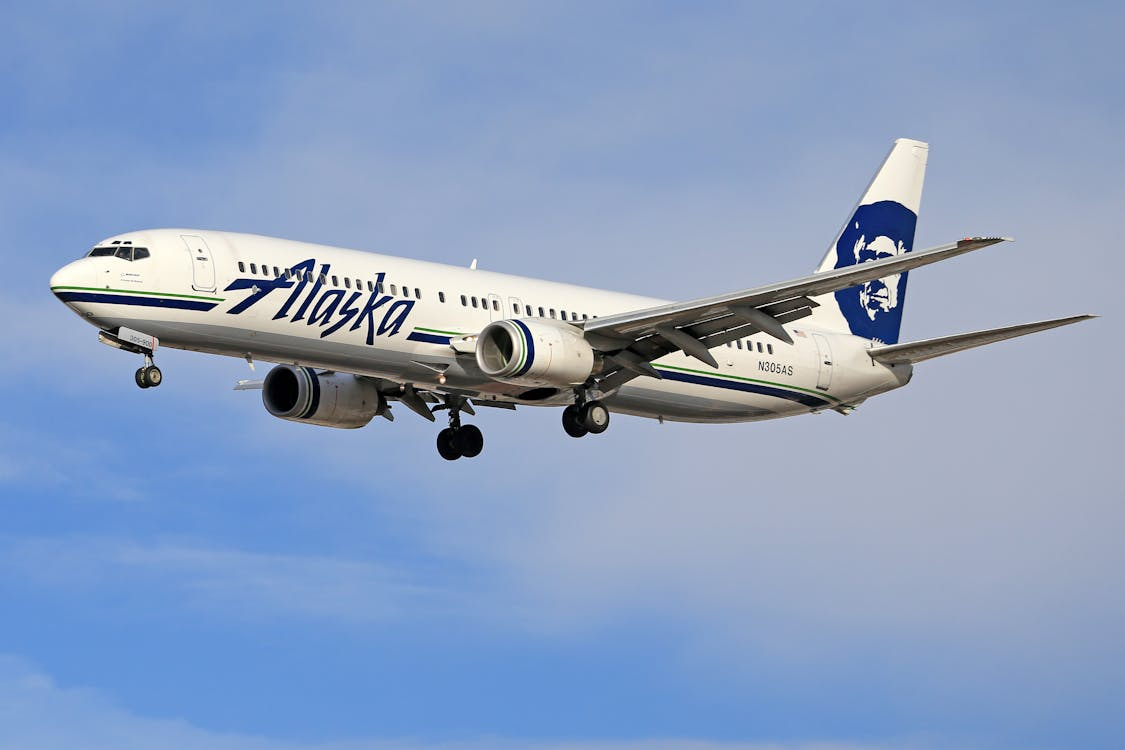
This is very similar to the long-standing policy of Alaska Airlines, which also mandates preorders for fresh economy meals. Alaska Airlines justifies this policy as a positive for sustainability and predictability, and it is true that it does so to a large extent.
However, United operates on a much larger scale, with many more last-minute changes to itineraries, missed connections, and irregular operations. An efficient system at a smaller airline does not necessarily scale perfectly to a global hub-and-spoke network.
Only time will tell if United can navigate these issues without causing frustration.
Conclusion
United’s decision to make preorders mandatory for fresh economy meals is sound and well-meaning. For passengers who are planning ahead, this move will definitely be an improvement in terms of meal availability and options. On the other hand, cutting back on the availability of fresh food entirely is a loss of flexibility, particularly for passengers whose travel itinerary is not easily predictable.
While minimizing food waste is a good thing, it is also important to ensure that passengers who are hungry have some kind of meal option available to them. This update is not a disaster by any means, but it’s a compromise.
If you’re flying United in 2026, the message is clear: plan ahead, or bring snacks.
DISCOVER THE RIGHT CARD FOR YOU.
Explore our card recommendations and find a credit card that suits your personal needs.
Browse card categories
%20(1).jpg)
.svg)