.svg)

When Airline Efficiency Meets Passenger Reality: Why Some Carriers Are Rethinking High-Density Airbus A321 Cabins
.jpg)
%20(1).svg)
Over the last 10 years, airlines have been pursuing one of the most potent concepts: flying longer distances with smaller aircraft whilst carrying almost the same amount of passengers as larger jets. The Airbus A321 is the core of this plan, particularly the long-range A321LR and extra-long-range A321XLR. These planes would transform the airline systems, reduce prices, and open new long-haul flights among the cities formerly unable to support widebody jets.
Paperwise, it was a victory all round. There would be increased fuel efficiency amongst the airlines and reduced costs regarding their operations and the passengers will receive more direct flights. However, with the increasing number of such aircrafts taking off, a new tale is taking shape in the cabin. Other big airlines are re-configuring their A321 designs having found that sometimes it takes maximum efficiency at the cost of passenger comfort.
The Emergence of the Long- Range Narrowbody
Airbus A321neo and its long-range versions were fast becoming popular among the airlines in the world. These jets have better engines, aerodynamic fines and optional auxiliary fuel tanks making them to be able to fly routes where previously they would need wide body aircraft. This involves transcontinental and even transatlantic flights.
In the case of airlines, it is mathematical. Thinner routes can be profitable by a smaller ship using lesser fuel and fewer crew. Carriers can carry out the deployment of A321 and keep the frequency, but control costs instead of using a half-empty widebody.
Nevertheless, the addition of additional range into a narrowbody does not automatically transform it into a widebody. It remains single-aisle in the cabin, space is hampered and all design decisions are now a trade off between comfort and revenue.
A major battlefield in this trade-off is the apportionment of cabin space, especially in the area of lavatories, galleys, and seat density.
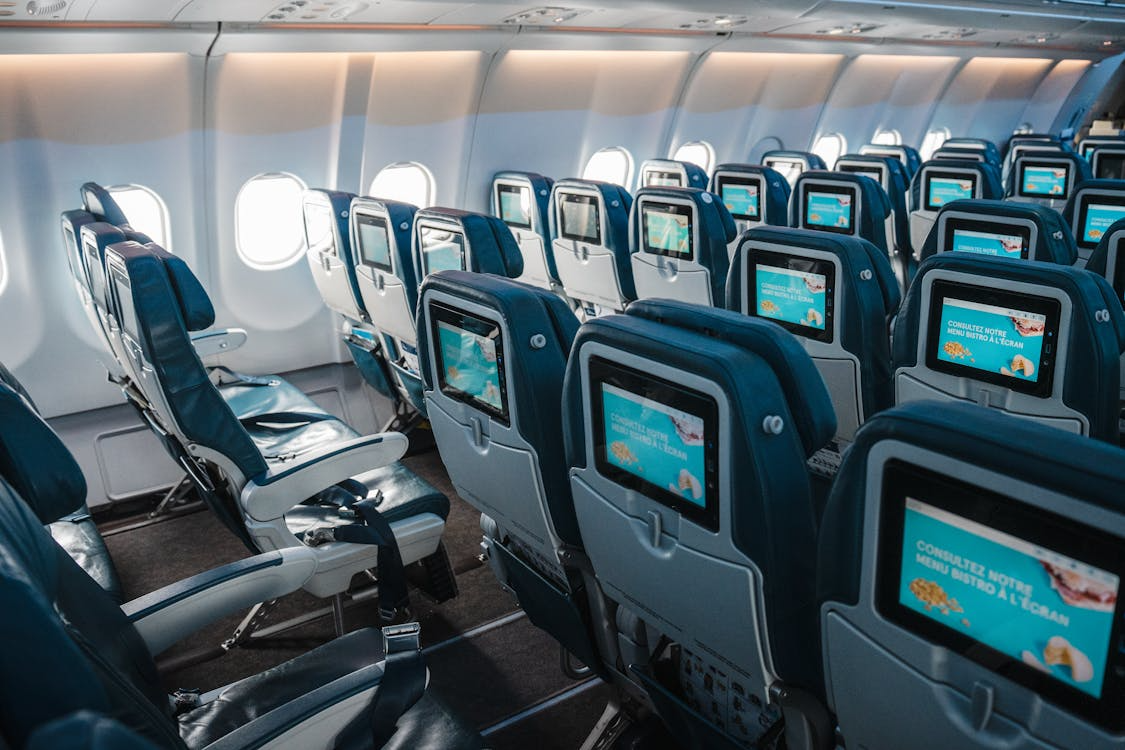
The Importance of Lavatory Ratios to You Than You Think
Majority of the travelers do not make a ticket reservation with the number of bathrooms onboard in the mind. However, on longer journeys, the issue can greatly influence the experience of the passengers. Passenger to lavatory ratio is used to gauge the number of passengers to a lavatory. A smaller ratio normally implies shorter queues and fewer people around.
The widebody aircraft are inherently more advantageous in this. They possess greater floor space and aisles, as well as, bigger lavatories. The passengers have also room to queue without obstructing services.
By comparison, narrowbody aircraft do not have no physical constraints. Lavatory size is usually the initial place to be reduced when airlines attempt to maximize the occupancy of airplanes. That is where the stress starts.
With narrowbody jet flights, which span over two hours to six, seven, or longer, the demand of the restrooms intensifies. What may be effective on a short flight can be frustrating on a mid or long flight.
Qantas: Changing Direction on the Post-delivery
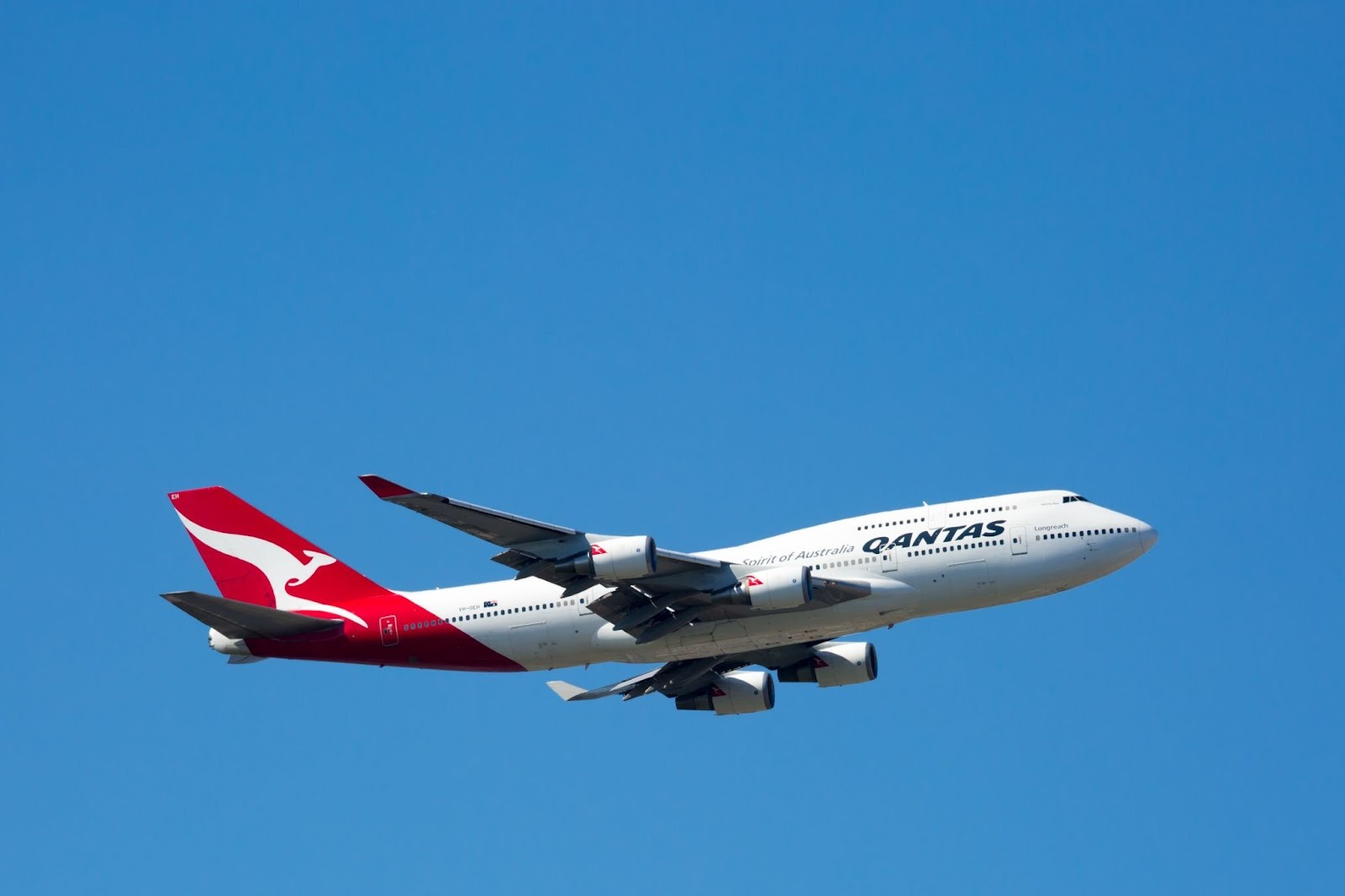
The operations of the flag carrier in Australia, Qantas, present a good example of how the real world can redesign the previous plans. Its A321XLR was initially set up in high-density configuration to maximize its revenue and efficiency.
In such a design, the plane had three lavatories with about 200 passengers. The front had one restroom which was mostly used by business class and the rear had two which served most of the economy travelers.
On the face of it, this may not appear to be drastic. However, on breaking down the figures, the scenario differs. The entire cabin was mostly dependent on two lavatories since the forward lavatory was used by the premium customers by large. In long routes this may soon become columns in the aisle, lack of privacy, and overcrowding of the cabin.
The airline did not long put its thoughts back. Qantas has chosen to change the future deliveries by incorporation of an additional lavatory in mid-cabin. The modification will lead to more access and shorter wait time, but with a trade-off: a decrease in the number of seats. To create space, a row of economy seats had been removed by the airline.
Notably, Qantas also made the commitment of retrofitting of the older aircraft as a way of having a homogenous fleet layout. This makes the operations to be smooth and there would be no confusion in changing the aircraft between routes.
It is clear that the message is that even when it comes to a cost-conscious airline, passenger comfort is not something that can be disregarded indefinitely.
The Cabin Crew Perspective
Dense cabin layouts do not just impact on passengers. The flight attendant is spending many hours at a time in these areas, and design choices may directly affect their efficiency and safety in their line of duty.
Small galleys do not provide much space to prepare and serve meals. Narrow spaces may reduce service speed and strain. There are even some designs that incorporate crew seating in unusual places, which is not very accommodating to many of the crew.
Once service delivery turns more difficult to execute with a seamless nature, the passengers experience that as well, just in the form of slower service delivery, messy aisles, and an overall busier cabin feel.
Crew feedback is becoming a matter of concern among airlines. What appears to be an effective design on a blueprint does not necessarily work under the pressures of daily operations.
Are Narrowbodies Being Asked to Do Too Much?
The A321LR and A321XLR are technological achievements. They allow airlines to launch routes that connect secondary cities, reduce travel times, and offer more point-to-point options. From a network planning perspective, they’re invaluable.
The challenge arises when airlines treat them like mini widebodies. While range has increased dramatically, cabin width has not. Passenger expectations on a six- or seven-hour flight are different from those on a short domestic hop.
Travelers increasingly compare experiences across aircraft types. If a narrowbody flight feels cramped compared to a widebody alternative, brand perception can suffer. In a competitive market, that matters.
Final Thought
The Airbus A321 family has undeniably changed how airlines plan routes and manage costs, opening doors to more direct flights and better fuel efficiency. But the recent cabin redesigns by major carriers show an important reality: airline success isn’t measured by efficiency alone. Passenger comfort, crew workflow, and overall experience play a huge role in long-term brand loyalty.
The smartest airlines going forward will be those that strike the right balance using technology to stay efficient while still designing cabins people actually enjoy flying in. Because at the end of the day, a profitable flight is good, but a pleasant flight that brings customers back again and again is even better.
DISCOVER THE RIGHT CARD FOR YOU.
Explore our card recommendations and find a credit card that suits your personal needs.
Browse card categories
%20(1).jpg)
.svg)