.svg)

When Seconds Matter: Inside a High-Speed Aborted Takeoff and What It Reveals About Aviation Safety
.jpg)
%20(1).svg)
Air travel is said to be one of the safest methods of getting to one location to another and rightly so. The aviation of nowadays is based on the layers of training, technology, and strict procedures, which are aimed at preventing the minor problems development into the serious threats. But on a few occasions, a tragedy strikes that provides the general public with a unique insight into the functioning of those safety systems when they are genuinely put to the test.
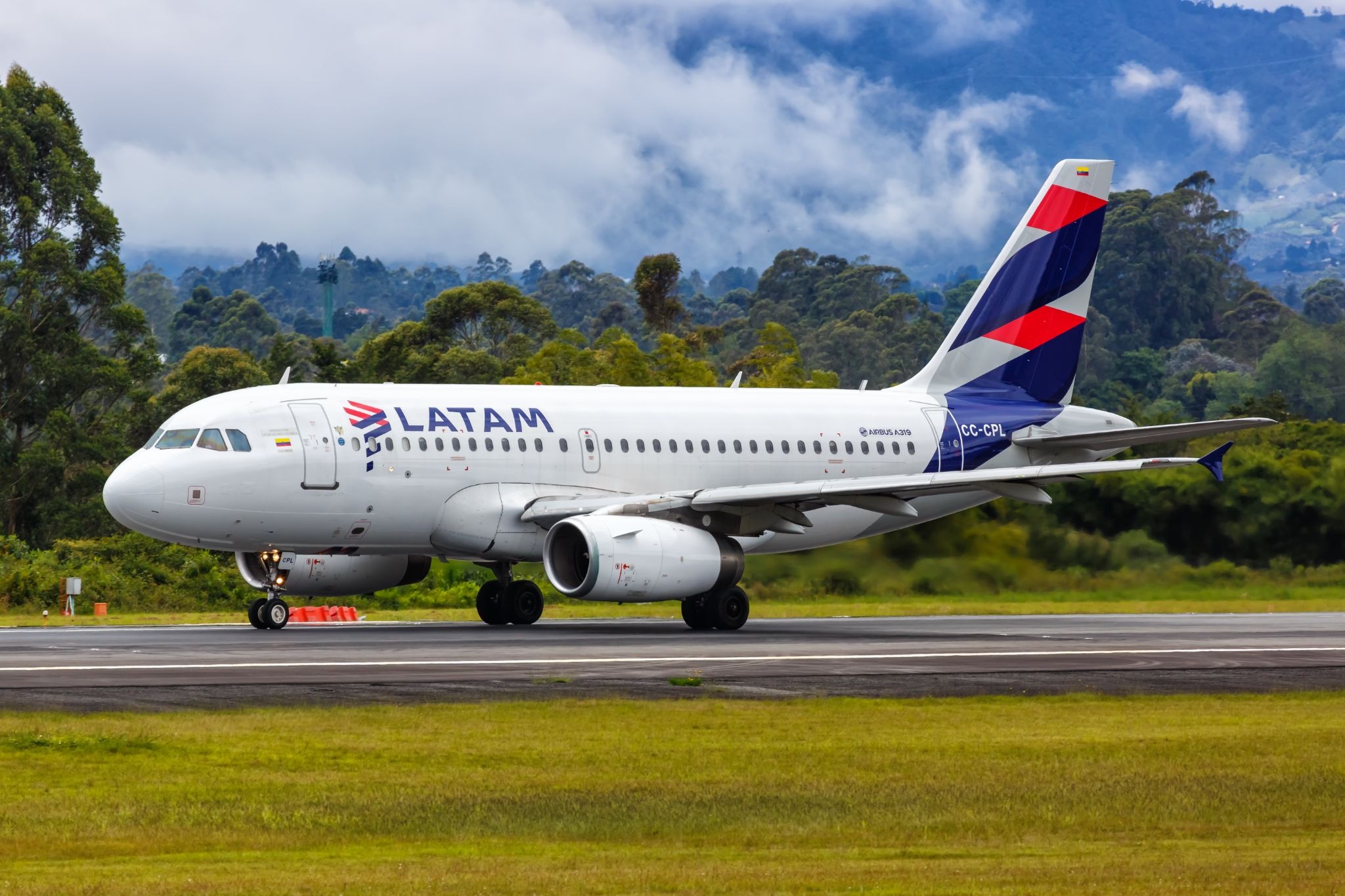
A recent case of a wide-body jet leaving São Paulo resulted in attention by both the aviation experts and the travelers. An outbound flight to Europe was experiencing a very high speed but had to stop the takeoff and this is when an outbound flight is ordinarily not reversible. Although all the passengers were safe, the incident has led to an official investigation and a fresh debate on the subject of rejected takeoffs, pilot judgment and runway safety.
What Is a Rejected Takeoff?
In air travel, a rejected takeoff (or RTO) is a manoeuvre that is a well-specified procedure. It is learned by pilots in simulators due to the requirement that it should be performed within a short period of time and accurately.
A takeoff may be canceled on numerous grounds and they include:
- Performance issues in the engine
- Onboard issue warnings
- Distrust of mechanical problem
- Unusual aircraft behavior
- Runway hazards external
At lower speeds, it is not difficult to stop. At higher velocities, the matter is a great deal more grave. And the higher the speed of the aircraft is then the longer a runway is necessary to safely bring the aircraft to a stop.
Why Are Pilots Aborting this Late?
Pilots of commercial airline are trained to be conservative and at the same time disciplined. They cannot dismiss high-speed takeoffs. The very act is risky in terms of heating up of brakes, tire damage, and run-away restrictions.
Hence, high-speed abort normally suggests either of the two things:
- Something important that alerted or put in a dangerous condition.
- Lack of confidence in the aircraft performance like the wrong speed indicator or configuration.
At this point, the investigators will examine flight data recorders, cockpit voice recordings and maintenance records. They will attempt to recreate what the pilots witnessed and heard during such crucial few seconds.
One should also bear in mind that this may be a safe and controlled activity in the aviation practice, even though it may appear dramatic to the observers.
What Happened After the Stop?
When the aircraft stopped, it first started moving by its own power but then it stopped in a taxiway. The airport emergency services were also on hand just in case and this is the normal procedure whenever an aircraft undertakes a high-energy rejected landing.
The passengers were subsequently removed off the plane and ferried to the terminal. Hotels, meal vouchers, and other flights are usually organised by airlines. Although inconvenient, these measures are in the interest of the passengers and their safety.
The airplane itself was out of commission to get examined. Before the jet is been permitted to fly the next time, engineers will scrutinize brakes, tires and other parts of the jet very hard.
The Safety Culture of Airline in Practice
On the surface such incidences may appear alarming. Within the aviation sector, they are commonly considered as evidence to the fact that the safety mechanisms are in operation.
Airlines have stressed the safety-first culture in which the pilots have the freedom to make safe decisions without being afraid of being punished in case of delays and disruptions. It may be the safer decision to abandon instead of continue, although this will cause logistic difficulties.
In the modern jets, the jet is designed to withstand sudden stops. Brake systems are also put through extreme scenarios and major airports have been designed with safety margins.
Learning From Past Events
Aviation is also a continuous process that examines past occurrences. Some of the past experiences that have been encountered in relation to wrong performance calculation, errors in data entry or configuration errors have influenced the contemporary training programs.
Various cross-checks and automated systems are now used by pilots as a way of minimizing human error. Nonetheless, researchers are still necessary since they will illuminate hidden areas of weakness, which can be revised.
Every question is not blame based but rather an instructional one. Findings are used by regulators and airlines to revise manuals, training modules, and operational guidelines.
The Bigger Picture: Safety of Flying?
Although there are headlines every now and then, commercial aviation has an outstanding safety record. Millions of flights are run yearly with no accidents. When something strange occurs, it is given attention due to the fact that it is not common.
Rejected takeoffs albeit rare at high speed are also a normal aspect of pilot training. They are trained in simulators by crews until they will respond quickly and confidently in the real world.
To the traveler, the main message is reassuring: aviation specialists have been trained to make prudent decisions, and aircrafts have been designed with various levels of security.
What Passengers Should Know
If you ever experience a delayed or aborted takeoff as a passenger, here are a few things to keep in mind:
- It is usually a precautionary decision.
- Crews follow strict safety checklists.
- Emergency responses are often standard protocol, not a sign of danger.
- Maintenance inspections ensure the aircraft is safe before flying again.
While delays can be frustrating, they are a small price to pay for a system that prioritizes safety above schedules.
Final Thoughts
A high-speed rejected takeoff is one of the most dramatic decisions pilots can make on the ground. It happens in seconds but is backed by years of training, clear rules, and engineering safeguards.
The recent São Paulo incident serves as a reminder that aviation safety is not just about preventing problems it is about responding correctly when something doesn’t feel right.
Investigations will determine the exact cause, but one outcome is already clear: the system worked as intended. Hundreds of passengers remained safe, the crew followed protocol, and the event will likely contribute to even stronger safety practices in the future.
In aviation, every incident is an opportunity to learn. And every lesson learned makes the skies safer for everyone.
DISCOVER THE RIGHT CARD FOR YOU.
Explore our card recommendations and find a credit card that suits your personal needs.
Browse card categories
%20(1).jpg)
.svg)