.svg)

When the Wrong Plane Takes Off: The True Story of Air India 8 hours to Nowhere
%20(1).svg)
Having a travel nightmare is a special type of nightmare that is not associated with lost bags or missed connections it is the type whereby you get onto a plane, fly hours and end up back at the very point of departure. Just this is what occurred to the passengers of Air India Flight 185 recently when a Delhi-to-Vancouver flight became a round trip of 8 hours to nowhere at all.
The airline blamed the debacle on an unspecified operational problem, which it assured the people that it was all done in accordance with the set standard operating procedures. Nevertheless, that explanation brought up more questions than it answered. What type of standard operating procedure transfers hundreds of passengers on a transatlantic cruise around Chinese airspace back home by putting them on wheels?
It lies actually in the fact that the actual solution lies not in Canadian airspace approvals, but in oxygen.
The Wrong Jet for the Job
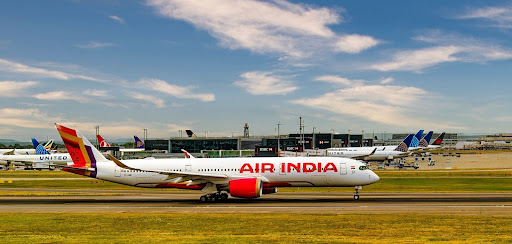
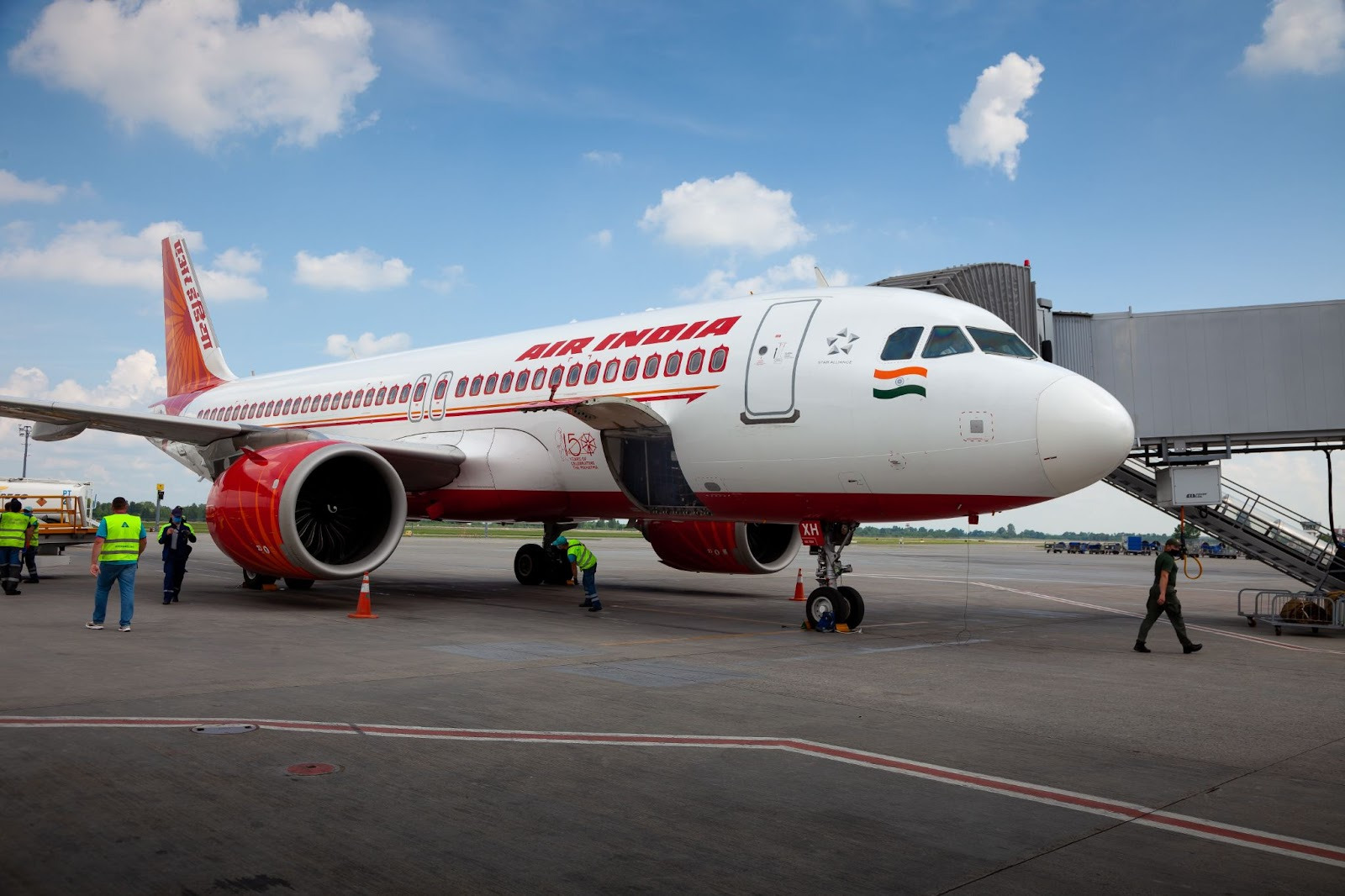
Air India uses Boeing 777-300ERs in its flight Del-Vancouver route when things are normal. On this day of the month, the airline, however, flew a Boeing 777-200LR that was registered VT-AEI. Such a switch looks simple at first glance, however, the specifics of it are a significantly more complex narrative.
Air India had initially acquired eight 777-200LRs between 2007 and 2010. Five of those were sold to Etihad by 2014. The airline subsequently leased five Boeing 777-200LRs that Delta Air Lines had retired in the pandemic to fill the gap. One of those former Delta planes is VT-AEI and therein the trouble starts.
Much of the early reporting depicted this as a regulatory paperwork problem where Air India was not supposed to be able to fly a 777-200LR into Vancouver. That is a deceptive story. Air India 777-200LRs have flown to Canada in previous occasions without any accidents. Canadian airspace permits are not the real problem. It is on the issue of whether the aircraft was well supplied with enough emergency oxygen to fly the route safely.
A Mountain Range, a Safety Regulation and a very short window
The flights to North America by Air India usually pass over some of the most inhospitable landscape in the world the Himalayas and the Hindu Kush. To prevent flying over Afghanistan or Pakistan airspace, the airline tracks routes that fly near these mountain ranges that are of high altitude. This routing presents an extremely particular safety issue, namely that in case of a failure at cruising altitude and the aircraft has to make an emergency landing, the aircraft must be capable of descending to a breathable altitude within a short period of time, and at the same time must avoid hitting terrain that rises tens of thousands of feet above sea level.
It is at this stage that emergency passenger oxygen will be invaluable. The former Delta 777-200LRs have oxygen systems that have a lifetime of approximately 12 minutes that is enough to support most standard emergency descent profiles. However, it might not be 12 minutes, over such terrain as the Hindu Kush, where a swift drop could be made complex by mountains standing in the way to a safety level.
The Directorate General of civil Aviation (DGCA) of India had already noticed. In January 2024, the DGCA penalized Air India by participating in flying these specific leased planes on what the regulators define as long-range routes characterized as being of a high terrain risk, without the necessary emergency oxygen setup. In at least one preceding case, the discrepancy was detected by the pilot prior to departure and the plane was rerouted to a route that did not take it through the high-risk terrain at all.
This time, no one noticed it till the plane had passed over China
The Key Facts at a Glance:
The basics that will suit a reader who wants to get the necessary information but does not have to dig deep into the technical side are as follows:
- The plane is VT-AEI, which is one of five Boeing 777-200LRs that Air India leased five planes in 2003 and 2020, and are currently being returned.
- These former Delta jets include passenger oxygen systems with a 12-minute capacity which is not sufficient to cover such routes including the high terrain such as the Hindu Kush mountain range.
- The legacy 777-200LRs that Air India already possessed are properly configured to operate on such routes; the Delta-era jets were never retrofitted since they were always planned as short-term additions to the fleet.
- This issue was already noted and fined by the DGCA to Air India almost a year prior to the turnaround on the Vancouver flight.
An Established Pattern with Stakes that are high
The inconvenience to passengers is not the only thing that makes this incident truly uncomfortable but its trend. It is not the first occasion that Air India was caught sending out an aircraft that was not fit in its assigned route. This was also repeated in 2023, when a Chicago-bound flight also diverted hours after takeoff. And according to the DGCA fine of January 2024, aviation officials knew quite some time that the former Delta planes were a compliance risk on routes of critical terrain.
This slip-up has been coupled with similar slip-ups in other carriers in the aviation industry. In 2015, the American airlines accidentally took an Airbus A321 aircraft that was not certified to fly over long distances over water when it was on a flight between Los Angeles and Hawaii. These are not evil choices, it is the sort of systemic failure that occurs when the fleet management, route planning and safety compliance are not in clear communication with one another.
In the case of Air India that has been experiencing a monumental transformation under the care of Tata Group, an incident of this nature can only be described as embarrassing since it reminds them that reliability is the most difficult component of operating an excellent airline. New orders, redesigned cabins and celebrity adverts are worth nothing without the right plane being fitted to the right route in air before wheels-up.
What Passengers Deserve to Know
Eight hours is a long time to be in the air. It's even longer when you land right back where you started tired, disoriented, and waiting for answers that never quite arrive. The passengers on Flight 185 deserve more than a vague statement about "operational issues."
The full picture here is actually a clear one: a temporary aircraft that lacked the proper safety equipment for a terrain-critical routing was mistakenly assigned to the job. It's a fixable problem, and the fix isn't complicated it requires better checks at the dispatch level to ensure these ex-Delta jets are never sent onto routes they aren't equipped to handle.
Until Air India returns these leased planes for good, the burden falls on the airline's internal systems to catch what regulators and pilots have already flagged more than once. Passengers shouldn't have to hope that someone on the ground notices the problem before the wheels leave the tarmac.
DISCOVER THE RIGHT CARD FOR YOU.
Explore our card recommendations and find a credit card that suits your personal needs.
Browse card categories
%20(1).jpg)
.svg)