.svg)

Why Frontier Airlines Is Scaling Back And What It Signals for Budget Air Travel in the U.S.
.jpg)
%20(1).svg)
The United States low-cost flying landscape is taking a severe reset. Over the years, the ULCCs had grown fast, the number of aircraft being added per year increased, and the market was saturated with cheap fares. That equation had been the engine of tremendous growth.
Nowadays, however, increasing costs, high competition and a change in the expectations of travelers are compelling a rethink.
Among the most apparent indicators of such a change is the fact that Frontier Airlines has decided to drastically reduce its fleet expansion and even its number of aircraft. Instead of introducing more planes as originally scheduled, the airline is recalling some of its jets ahead of time and delaying more deliveries, as well as employing financial techniques to stabilize its balance sheet.
It is not only a case of one airline being impacted by this move but it is more of a wider pressure on the budget airline model in America.
What Frontier Is Really Changing
The approach of the company focuses on three key actions of Frontier:
1) Early termination of leased aircrafts
The carrier will recall two dozen of leased Airbus A320neo jets prematurely. These planes also had several years left in their lease contracts, yet they are not in possession of the aircraft and sending back the aircraft will assist Frontier save on operating and financing expenses at the moment.
2) Stalling New Aircraft Deliveries
Airbus dozens of new jets, which were expected to be added to the fleet in the current decade, will now come much later. Some of the deliveries that were initially planned to occur in the late 2020s are shifted to the first half of the 2030s.
3) Using Sale-Leaseback Deals
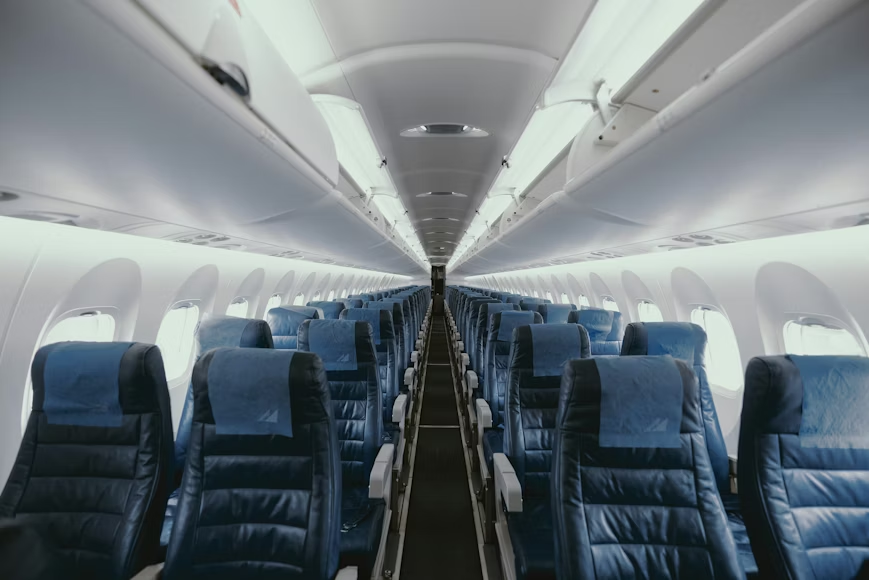
Frontier is also commencing sale-leaseback acquisition of some future airplanes. This is simply stated to mean that the airline leases planes to a leasing company after which it rents them back. This enhances the cash flow in the short run at the expense of the long-term costs.
Combined, these actions make the frontier fleet grow at a very slow pace.
The reason as to why downsizing can be risky to low-cost carriers
Reducing could be considered a risk-safe financial intervention, nevertheless, in the case of ULCCs, it is associated with trade-offs.
The low-cost model relies a lot on scale. Large fleets enable airlines to have a distribution of cost over a large number of flights, low fares and profitability. As an airline is contracted, the cost per seat might increase.
The other is the work force factor. Growth airlines usually recruit numerous junior employees who receive low wages. When the growth halts or reverses, any furloughs may initially target the lower-cost employees and thereby increase average labor cost.
This is because although downsizing might save on losses in the short run, it may also undermine the cost leadership that low cost airlines have based on.
A Smarter Direction on Profitable Routes
On the good note, a smaller fleet would enable Frontier to be choosier. The airline does not have to divide resources in numerous directions but focus on those markets that are profitable.
This could mean:
- Focusing on the in-demand leisure destinations.
- Cutting down on frequency of routes having lesser strength.
- Managing the negative effects of over-supply in competitive markets.
- Enhancing the load factors of the remaining flights.
This strategy can also be used to stabilize revenue even when there are fewer aircraft, provided it is well done.
The Competitive Force of the Major Airlines
The other cause of the shift by Frontier is because of the changing strategy of larger airlines. Old carriers have developed to be more efficient in competing with low cost airlines.
The unbundled services, basic economy fares, and the dynamic pricing tools enable the major airlines to compete and match the ULCC fares on most routes. In the meantime, they continue to have loyalty programs, premium cabins and wider networks, something that low-cost airlines cannot easily keep pace with.
To passengers, this occasionally makes a legacy airline ticket more appealing even in case it would cost in the long run a bit more.
This increasing competition diminishes the distinctiveness that ULCCs had.
Plagiarism Question of Spirit Airlines
The change of strategy by Frontier also puts into question the speculation that has been running long concerning consolidation among low cost airline companies.
Another big ULCC Spirit Airlines has been in dire financial problems. The merging of Frontier and Spirit has been a longstanding debate among industry observers who said the two airlines could unite to form an enormous low-fare carrier.
However, a shrinking Frontier is less likely to undertake a major takeover. Mergers are usually meant to stimulate growth and realize economies of scale, which is what Frontier is now moving out of.
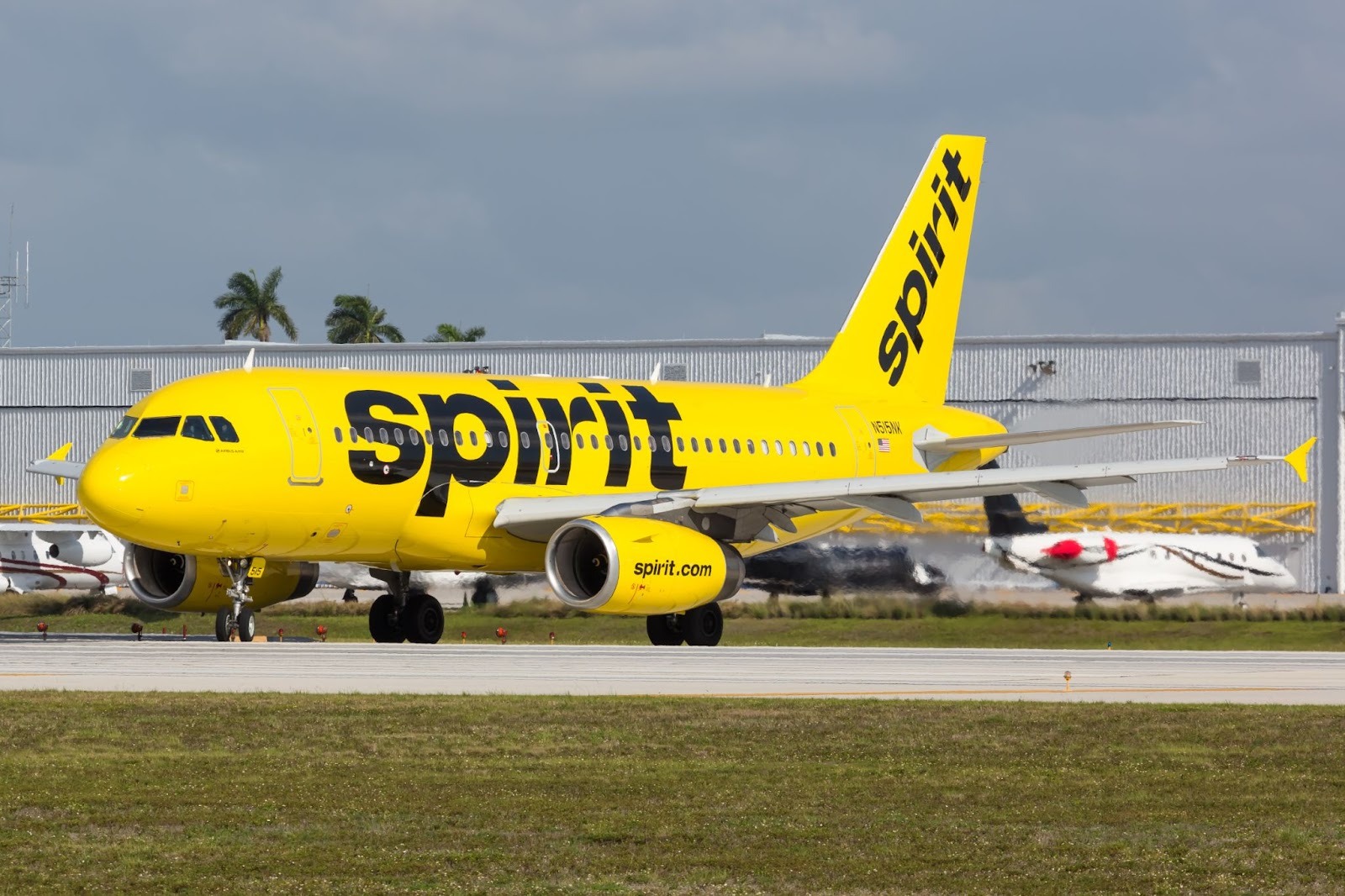
There might be a more realistic version where Frontier is only selective with picking up profitable routes or assets on opportunities other than a wholesome merger.
What Tourists must be Mindful of
To the passengers, there are a number of developments that they can keep an eye on as the situation unfolds. One of the key areas is change of route network as some cities might
experience a reduction in the number of flights, or an increase in seasonal service adjustments. As an example, Frontier Airlines can move capacity between markets by the demand.
The other determinant is fare volatility. Prices of the tickets can be more volatile than normal because the airlines are also fine-tuning the capacity and reacting to the demand trends. This may make deals and spikes based on the route and time.
Last, monitor service and loyalty programs changes. Airlines usually tighten the belt on onboard services, charges, or reward systems to keep their current customers and secure income during the restructuring phases. Being flexible and comparing the options can enable the travelers to get the best value.
Is This a Short-term Reset or a Long-term Change?
Whether the strategy of Frontier is a short-term correction or a long-term change is too early to tell. A lot is hinged on fuel prices, economic conditions as well as the demand of the travelers.
Frontier may resume growth in future in case the costs do not decrease and demand levels are high. The aircraft orders projected in future indicate that the airline can never give up on expansion, only it will take up the expansion later.
Conclusions:
The decision of Frontier Airlines to pullback its fleet is a wakeup call to the fact that even the most cost-oriented airlines are forced to conform to the reality in the market. Success does not come along with growth but profitability.
This does not spell doom when it comes to the low-cost flights that are the lot of the travelers.
Low-cost airlines also continue to be critical in ensuring the fares remain low. Nevertheless, it is an indication of a more wary period by the industry.
The years to come will show whether ULCCs will be able to reinvent themselves to survive in a more expensive world or the model will require more radical changes.
The only fact that is definite is that the economics of air travel is changing and the airlines that will remain afloat will be those that will change smartly.
DISCOVER THE RIGHT CARD FOR YOU.
Explore our card recommendations and find a credit card that suits your personal needs.
Browse card categories
%20(1).jpg)
.svg)