.svg)

Why Ryanair Is Saying “No” to Starlink Wi-Fi And Why Elon Musk Can’t Accept It
(1).jpg)
%20(1).svg)
Recently, the aviation sector has been in a competition to offer fast internet connectivity on planes, and one of the names that have dominated the debate is that of SpaceX’s Starlink. Starlink offers fast Wi-Fi connectivity, which has been termed a revolutionary move for airline passengers. However, one of the largest airlines in Europe has already indicated that it will not be part of the trend, and that airline is Ryanair.
Here’s why Ryanair is being so stubborn and why it might be perfect business sense for the company.
Ryanair CEO: Wi-Fi Isn’t Worth the Trade-Off
In a recent interview, Ryanair CEO Michael O’Leary was asked about the possibility of installing Starlink Wi-Fi in their aircraft. His response was clear: “You have to put an antenna on the side of the aircraft, which increases drag and weight. This results in a 2% fuel penalty.”
O’Leary also pointed out an important consideration: Ryanair flights are often short, with an average flight time of one hour, and he doesn’t think that passengers would be interested in paying extra for Wi-Fi connectivity during such flights. “We don’t think our passengers are interested in paying for Wi-Fi for an average one-hour flight,” O’Leary said.
That is, while Starlink may be technologically impressive, it does not align with Ryanair’s ultra-low-cost business model.
Starlink Pushback: Elon Musk and SpaceX Weigh In
Predictably, the Starlink executives and Elon Musk pushed back. Michael Nicolls, Vice President of Starlink Engineering at SpaceX, responded that O’Leary’s estimate of a 2% fuel penalty is no longer valid. Nicolls said that the new designs for the Starlink terminals are lower profile and more efficient, with data suggesting a possible fuel increase of only 0.3% for a Boeing 737-800, which consumes 800 gallons of fuel per hour.
Elon Musk himself joined the online debate, speculating that Ryanair may have been deceived. Musk’s observation was that the drag effect is minimal, particularly on short flights, and that it was highly unlikely that the airline could even detect the difference in fuel consumption.
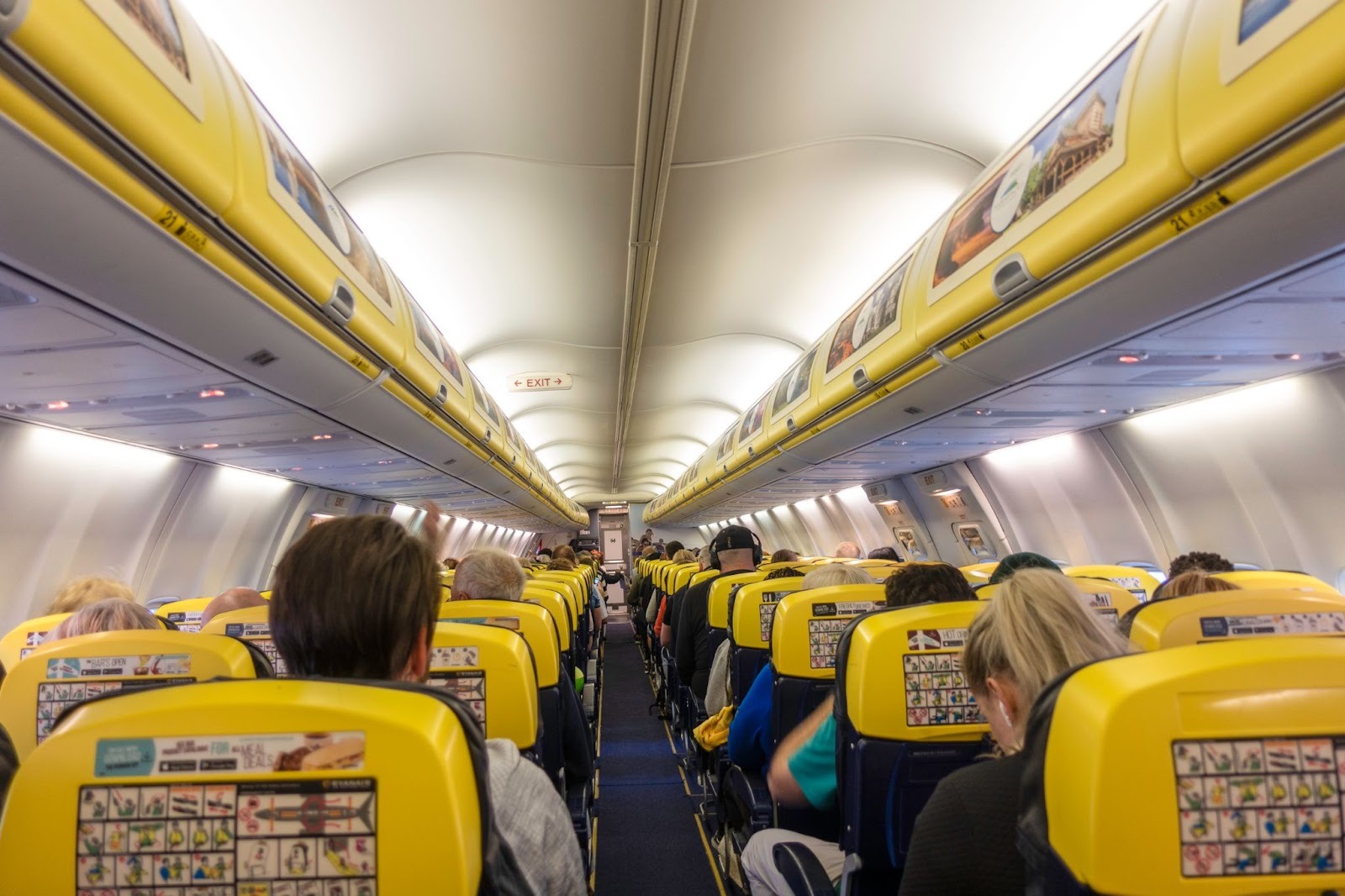
What is particularly fascinating is that Musk’s own AI, Grok, did not in fact dispute the 2% figure. However, in light of the current debate surrounding the technology, the one question that really matters is whether or not passengers value Wi-Fi connectivity on Ryanair’s short-haul flights.
The Cost-Conscious Reality of Ryanair
To understand Ryanair’s position, it is important to understand what makes Ryanair successful. Ryanair is considered one of the most disciplined and profitable airlines in the world. Ryanair’s business model is very simple: it focuses on cost management, rejects unnecessary services, and offers low fares.
Including Starlink Wi-Fi connectivity may be within technological capabilities, but it also increases mass, potential maintenance costs, and small fuel penalties, which may affect Ryanair’s thin margins. Ryanair does not compete on amenities; it competes on price and time.
It seems that Elon Musk is misinterpreting this plan. He said that Ryanair might lose customers to other airlines that offer internet access. But the reality is that customers of Ryanair value convenience and price above all. For example, a customer traveling from Leeds to Gdansk will not pay more for a flight that involves a stopover just because it offers internet access.
Why Passengers Choose Ryanair
The attraction to Ryanair is not based on luxury and comfort but based on efficiency and economy. Ryanair has been able to carve out a niche for itself in terms of providing point-to-point flights with no frills attached. Most of the people who travel by Ryanair are not looking for a luxurious experience of flying but a way to get to their destination quickly and economically.
Such a value-based strategy has allowed Ryanair to maintain some of the highest profit margins in the European airline market. “Frills” such as Starlink, while appealing to the tech-savvy individual, do not fit in with the low-cost business model that has contributed to the airline’s success.
Even some investors find it hard to accept this concept. Some critics have suggested that if Wi-Fi is not cost-effective, then it is a reflection of Ryanair’s business model. The reality is that it is precisely because Ryanair is so committed to keeping costs down that it is able to charge such low fares and still make a profit.
The Economics of In-Flight Wi-Fi
Much of the buzz on the internet about Starlink and Ryanair has to do with the concept of profit. Can Ryanair make money off of Wi-Fi? Perhaps, but it’s not that easy. One of the conditions of having Starlink on an airline is that the internet service cannot be sold to the passengers. This makes it even harder to make a profit.
Further, while it is true that some fans have been known to undertake complex calculations in order to estimate potential revenue gains, these calculations have been known to ignore factors such as installation costs, increased weight, fuel consumption, and maintenance. For a short-haul airline such as Ryanair, such factors are against the installation of Starlink.
Strategic Discipline vs. Tech Hype
Ryanair’s action also provides a lesson in business strategy: innovation is not always better. Just because technology is cutting-edge or “cool” doesn’t mean it’s relevant to every business’s goals.
For Ryanair, discipline and staying focused on its strengths of low fares, high frequency, and efficiency have been the secret to its success. Starlink Wi-Fi, as impressive as it is, is a distraction from its core mission.
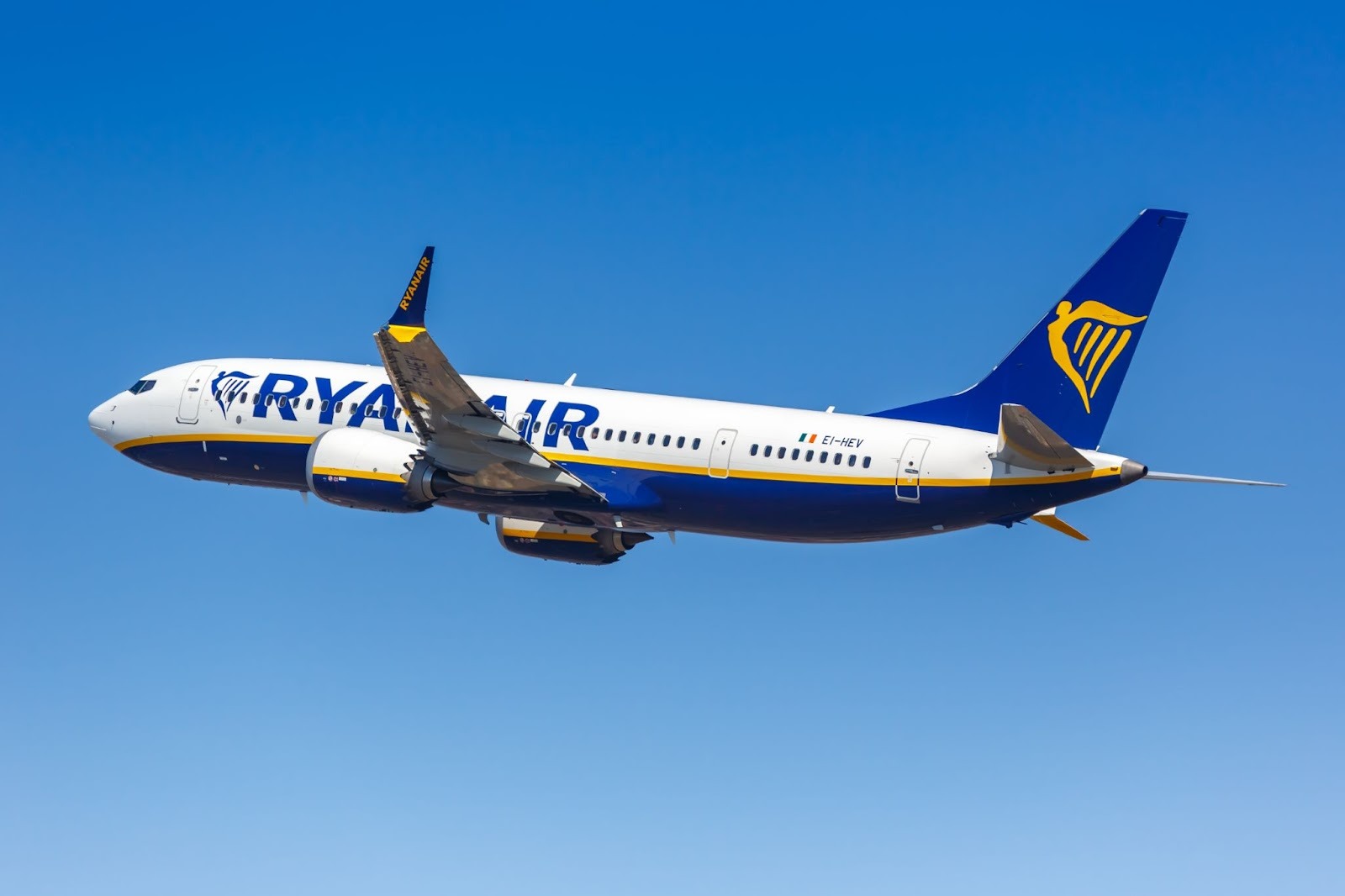
Elon Musk supporters and technology enthusiasts may find Wi-Fi a necessity, but the reality is that Ryanair does not need Wi-Fi to attract and retain customers. Customers choose to fly with Ryanair for convenience, not for technology-based services. The fact that it is profitable and growing means that its business model is successful.
The Bottom Line
Ryanair will not be implementing the Starlink Wi-Fi network in the near future. While the discussion about fuel efficiency is very interesting, the real problem at hand is that of passenger demand. For short flights, the last thing that most passengers want is Wi-Fi connectivity, making the Starlink Wi-Fi network a very low priority for Ryanair.
While Michael O’Leary’s approach may seem strange to the tech-savvy community, it is a reflection of a business model that has been extremely successful in the European airline industry. Ryanair’s success is not in its technology, but in its simplicity and affordability.
In summary, Ryanair is not rejecting innovation out of ignorance. It is simply making an informed decision based on the needs of its passengers. The future of Ryanair may be bright, but it will not be Wi-Fi enabled, at least not yet.
DISCOVER THE RIGHT CARD FOR YOU.
Explore our card recommendations and find a credit card that suits your personal needs.
Browse card categories
%20(1).jpg)
.svg)