.svg)

Why the A380 of Emirates had lost Bali - Policy Pressure or a mere Scheduling?
.jpg)
%20(1).svg)
Bali has been a highly popular tourism destination in Asia with millions of foreigners visiting it annually due to the beaches, culture and resorts available in the country. Among aviation enthusiasts and frequent flyers, however, the recent years have been characterized by the opportunity of landing in the island on the largest passenger jet in the world: the Emirates Airbus A380.
Thus, when the double-decker superjumbo had abruptly disappeared in the DubaiBali route and was replaced by a smaller airplane, there was a lot of speculation. Was it a normal airline move which was dependent on demand? Or was there something bigger - something behind-the-scenes - of Indonesian aviation authorities?
The recent remarks by the officials have put more mystery to what would otherwise appear as a normal schedule adjustment. We can assume that there are known, unknown, and unknown unknowns, and what this might imply to the travelers, airlines, and the aviation strategy in Indonesia.
The A380 Era of Bali: A Demand and prestige Pattern
Once Emirates made the transition to A380 to Denpasar Ngurah Rai International Airport in the middle of 2023, it became a milestone to Bali. Not only is the aircraft very large but also has a reputation of high quality traveling experiences such as first-class onboard lounges and showers.
In the case of Bali, the arrival of A380 meant that demand was high internationally and globally connected through the A380. It also made the island one of the select destinations that was able to manage the operating requirements of the superjumbo.
Yet the aviation is an evolving industry. Changes of aircraft assignments happen due to numerous reasons - not all of them are political.
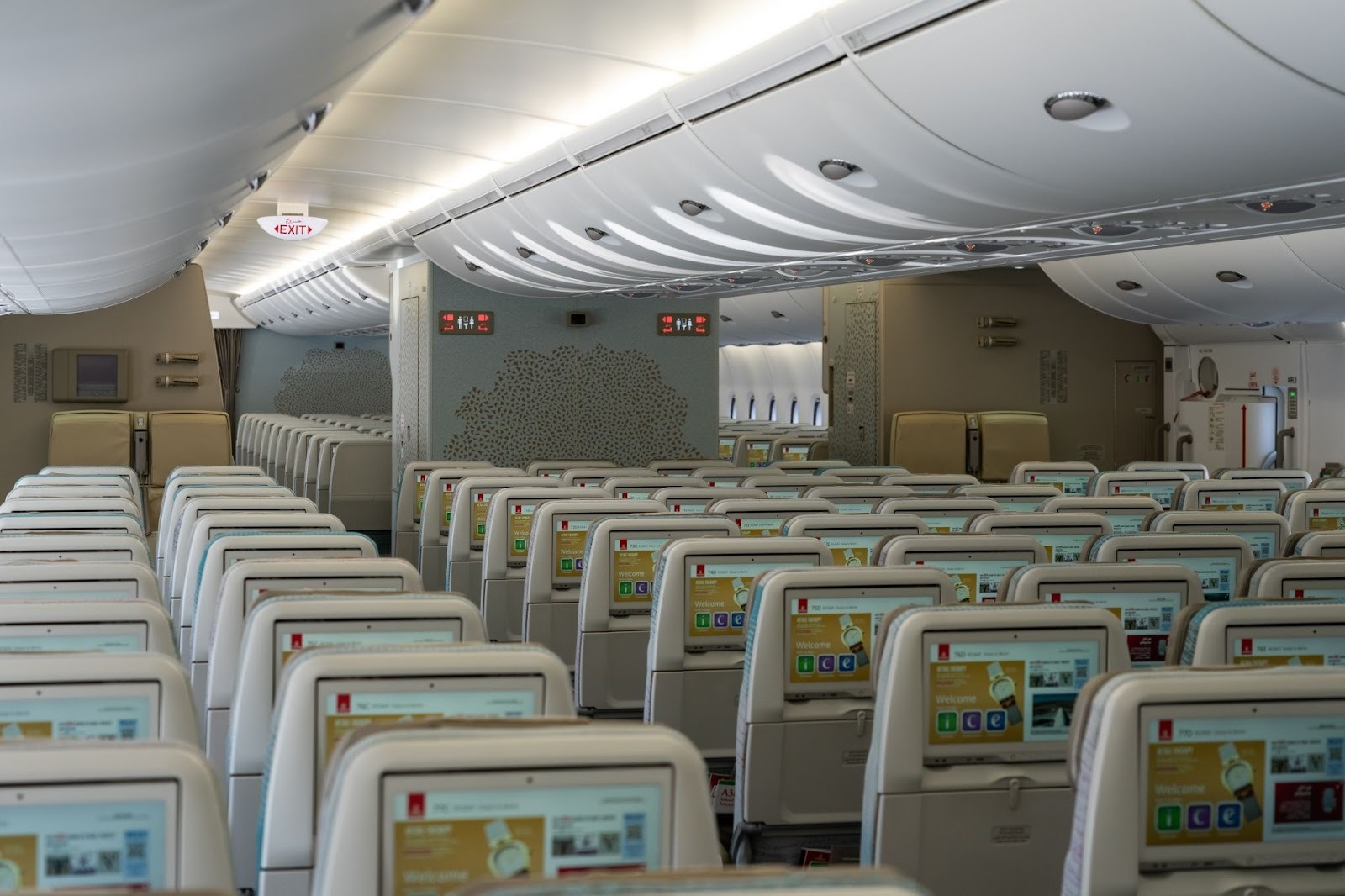
The Sudden Aircraft Swap
In early 2026, Emirates substituted the A380 in the DubaiDenpasar route with a Boeing 777 without much notice. Though the 777 is still a big and long haul airplane, there are greatly fewer passengers as compared to the A380.
This appeared at first sight like a textbook model of airlines matching capacity to seasonal demand. There are clear tourism seasons in Bali with peaks during holidays and low seasons in between.
The story was however soon complicated by statements by the civil aviation leadership of Indonesia.
Government Expectations Come into the Picture
The Director General of Civil Aviation of Indonesia was reported to have mentioned that the lack of A380 was connected to more comprehensive negotiations with Emirates. By such comments, the airline had been encouraged by Indonesia to:
- Enhance maintenance, repair and overhaul (MRO) participation in Indonesia.
- Hire additional Indonesian crew and pilots.
- increase the service to other cities in Indonesia other than Jakarta and Bali.
Equally, setting up a large MRO plant in a foreign location is an expensive undertaking that airlines consider taking into considerations over the long-term strategic, cost, and logistical decisions.
Another Cause According to the Airport
As the speculation increased, a much easier explanation was given by another Indonesian aviation representative. One of the airport officials at Denpasar proposed that the change of aircraft was simply seasonal.
Under this opinion, Emirates reduced capacity due to the low demand at the off-peak travel mode. Such changes are common among airlines in a bid to remain profitable and to ensure maximization of aircraft application.
This is how the common airline practices are in the world. As demand declines, carriers will use smaller aircraft or will cut frequency instead of using half-empty planes.
Notably, Emirates itself has not made the change a political exemplar in the limelight.
Why Seasonal Adjustments Are Normal in Aviation
To get a picture of this scenario, it is useful to consider the way airlines route plan.
The A380 aircraft are costly to operate, especially when it comes to long-haul services. They are financially viable when they are always full of passengers. Leisure resorts like Bali are also prone to high volatility in demand based on the season of the year, trends in global travel and the state of the economy.
Reasons used to downgrade aircraft include:
- Seasonal tourism dips
- Changes in linkage of passenger flow.
- Redeployment of fleet to the more desirable routes.
- Maintenance scheduling
- Fuel and operating cost issues.
That is to say, it is not abnormal in itself to replace an A380 with a 777.
The Bigger Picture: Aviation and National Interests
Although this particular case may be seasonal, the debate illustrates that aviation tends to overlap with the national policy.
Traffic rights, airport slots, or regulatory approvals are at times used by countries to help motivate foreign airlines to make more contributions in the country. This may be training, alliances, or investments in infrastructures.
Indonesia, in its turn, has a rational aim of enhancing the local aviation infrastructure as an emerging economy and a tourism giant. Nonetheless, there is a fine line. Regulatory stability and freedom of operations are also important to international airlines. In case of not knowing the entry to the market, airlines can keep other destinations first.
Tourism-based destination such as Bali particularly needs to ensure a good relationship with airlines.
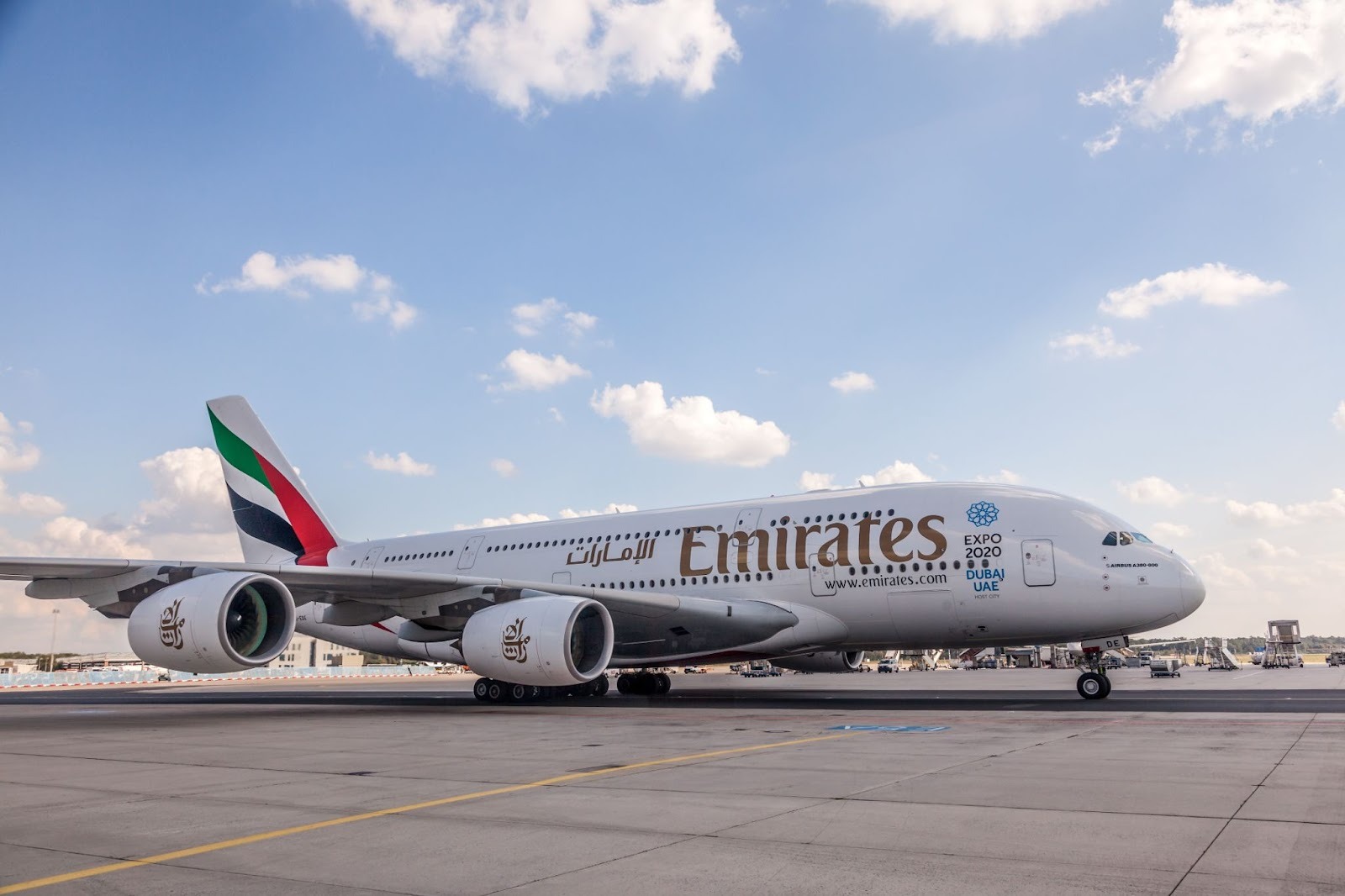
Could the A380 Return?
History in aviation indicates that aircraft designation is dynamic. Depending on demand and strategy, routes are equipped with larger planes and deprived of them.
In case the travel demand of Bali rushes once again, it will be not a surprise to see the re-emergence of the A380. Emirates has been flexible in the location of its superjumbos where they are most economical.
A possible comeback could be influenced by several factors such as an increase in tourism to Bali, high demand of premium cabins, aircraft availability in Emirates fleet, and airport operations factors.
The Fact on the Ground: Confusion, Restless Compared with Uncompromising Pursuance.
There are currently two prominent histories doing rounds; the policy leverage theory postulates that regulatory pressure could have been a potentially influential factor in the aircraft change, and the seasonal demand theory postulates that it could be due to routine airline planning and demand trends.
There is no clear word of Emirates and, therefore, it is not possible to identify which is more weighty. It is also quite possible that several factors contributed to it.
There is hardly an isolated issue over which airline decisions are made.
Final Thoughts
The cancellation of Emirates flights to Bali using the A380 has attracted more controversy than a routine change of the schedule. Although not all of the official statements did not allude to policy motives, there seems to be equally reasonable (or more so) demand-based explanation.
As it stands the most logical conclusion is that the decisions in aviation are complicated and that they are affected by economics in the first place.
It may be strategic negotiation or a normal planning situation, but Bali is one of the world economies of interest to airlines. And the legendary two-decker jet might easily appear in the runway of the island again should passenger demand warrant it.
Up to this point, the story will be a reminder of how close the aviation, tourism and national interests may meet in the interconnected world today.
DISCOVER THE RIGHT CARD FOR YOU.
Explore our card recommendations and find a credit card that suits your personal needs.
Browse card categories
%20(1).jpg)
.svg)